India - Crop damage in 6 dists estimated at 50 cr

12.01.2022 1379 views

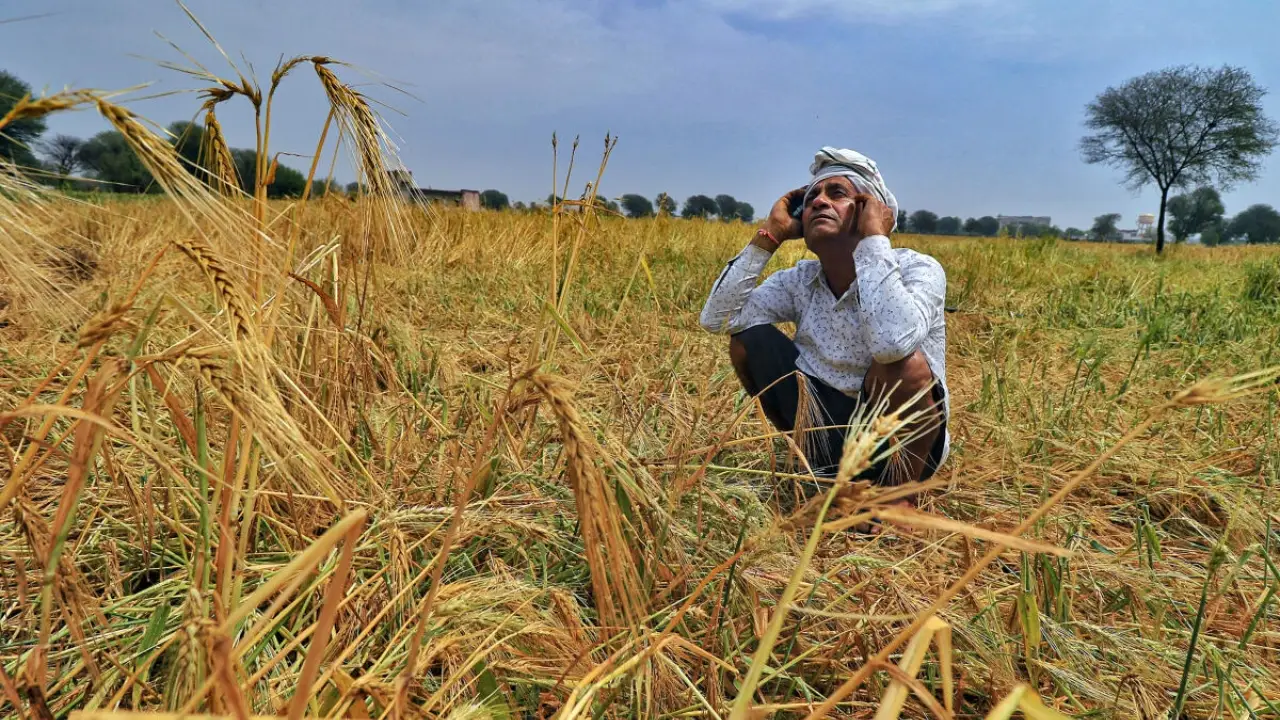
Primary survey (which included visual assessment) of damage to the crops due to hail stones and rain on last Friday and Saturday in six districts of Indore and Ujjain divisions has estimated the loss to be around Rs 50 crore. 

As per the survey, Mandsaur, Neemuch, Ratlam and Ujjain districts in Ujjain division have reported maximum loss of wheat, gram, opium, fenugreek, garlic, and onion crop. In Indore division, around 400 farmers of Jhabua and Dhar districts have also reported damage to their crops due hail and rain. 

In the visual assessment, it has been estimated that around 4,500 hectare of 'Raqba' in 31 villages of Mandsaur district have reported crop loss. This includes 25 to 33% damage in three villages of Mandsaur tehsil, 5-10% loss in Sitamau and Shyamgarh tehsils, 30-50% loss in five villages of Garoth tehsil, 10-90% loss in four villages of Bhanpura tehsil and 19 villages of Suwasra. 

Around 10-60% damage has been estimated to opium, wheat, corn, gram and fenugreek crop in Kanjarda and Gafarda villages of Manasa tehsil, Parlai Aaba, Khedamadlacha, Jhamrniya, Kheda Majhawat, Patiyal, Singoli and Dhogava villages of Singoli tehsil and around half a dozen villages under Rampura tehsil in Neemuch district.

In Ratlam, 30 villages have reported over 25% crop loss due to hail while 52 villages in Ujjain district have reported damage to agriculture produce. In Indore division, hundreds of hectare ready agriculture field in 63 villages of Dhar and Jhabua districts have suffered crop loss as per the visual assessment. According to administrative officials, the crop loss in these six districts in Indore and Ujjain division is estimated to be around Rs 50 crore.

Source - https://timesofindia.indiatimes.com

18.08.2026

Philippines - P210.93-million farm aid allocated to areas hit by storms, monsoon rains

The Department of Agriculture (DA) said it will provide P210.93 million worth of farm inputs to assist farmers affected by Tropical Cyclones Luis and Maymay, as well as the enhanced southwest monsoon (habagat).

18.08.2026

Tanzania - Biotechnology reshapes farming through smarter crop protection

For farmers, pest control is increasingly a business decision, with the choice of crop-protection products affecting production costs, yields, farm incomes and access to markets.

18.08.2026

Syria, WFP discuss agricultural development, insurance system

Agriculture Minister Basel al-Suwaidan met on Tuesday with World Food Programme Country Director Marianne Ward to discuss enhancing cooperation on agricultural and development projects to support the sector and strengthen its resilience to challenges.

18.08.2026

USA - Historic Indiana flooding threatens crop potential as farmers continue to evaluate storm damage

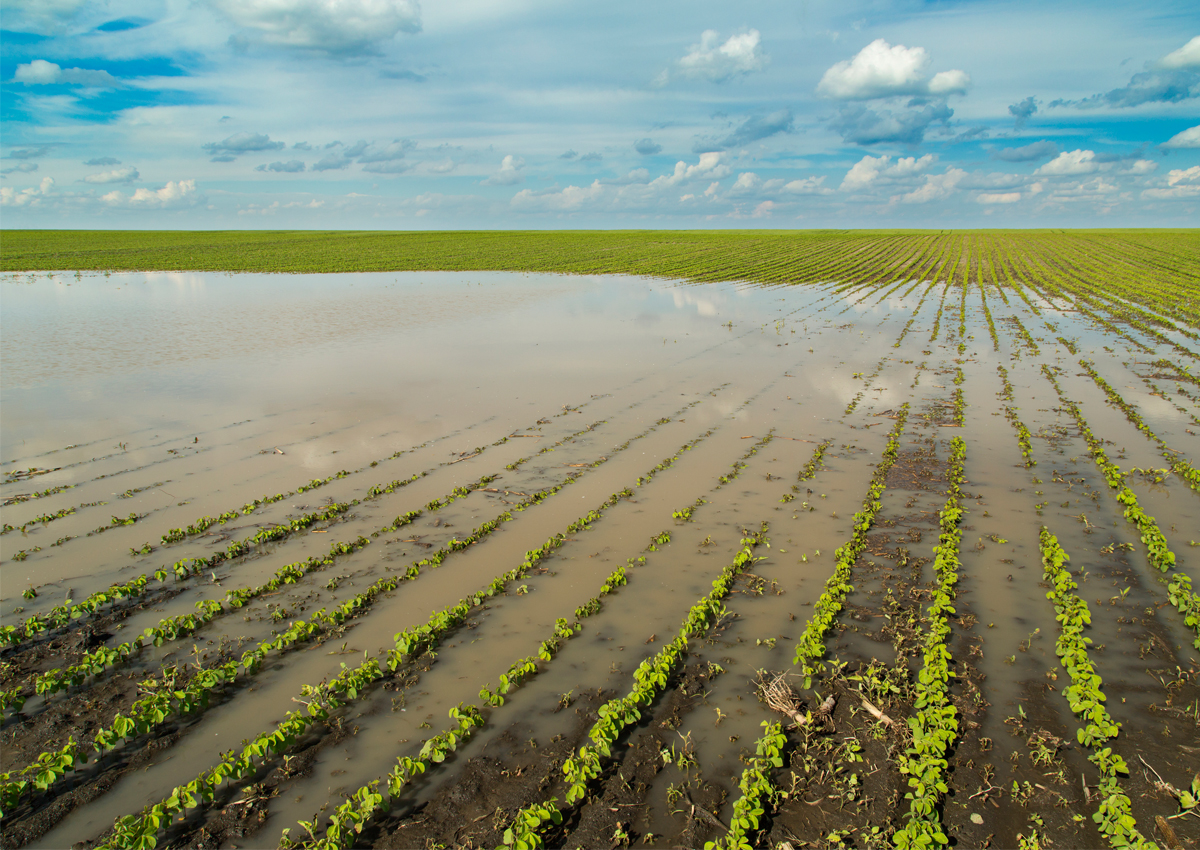
Indiana’s State Climatologist says last week’s historic flooding is raising concerns about the long-term impact on the 2026 crop.

18.08.2026

India - El Niño Threatens Andhra Pradesh with Rainfall Deficit; Government Unveils Five-Point Response Plan

Andhra Pradesh is preparing for a potentially difficult water and agricultural season as the State faces significant rainfall deficiency and declining water availability, with Chief Minister N. Chandrababu Naidu urging officials, legislators and farmers to prepare for the impact of El Niño.

18.08.2026

USA - Two-part plan aims to protect upstream farmers from Fargo-Moorhead flood diversion losses

Federal and local officials outlined a two-part plan Tuesday to protect upstream farmers whose land may be inundated during operations of the Fargo-Moorhead flood diversion project.

17.08.2026

India - Himachal Pradesh Rolls Out Farm Machinery Insurance Scheme to Curb Agricultural Fatalities

Himachal Pradesh introduces a specialized insurance scheme to compensate farmers and laborers injured or killed by agricultural machinery.

17.08.2026

Nigeria’s partial crop losses triple to 20 percent as climate, insecurity hit farms —World Bank report

Partial crop losses on Nigerian farms have more than tripled in five years, climbing from roughly six percent of cultivated plots in the 2018/19 season to more than 20 percent in 2023/24, according to a World Bank analysis of General Household Survey–Panel data.