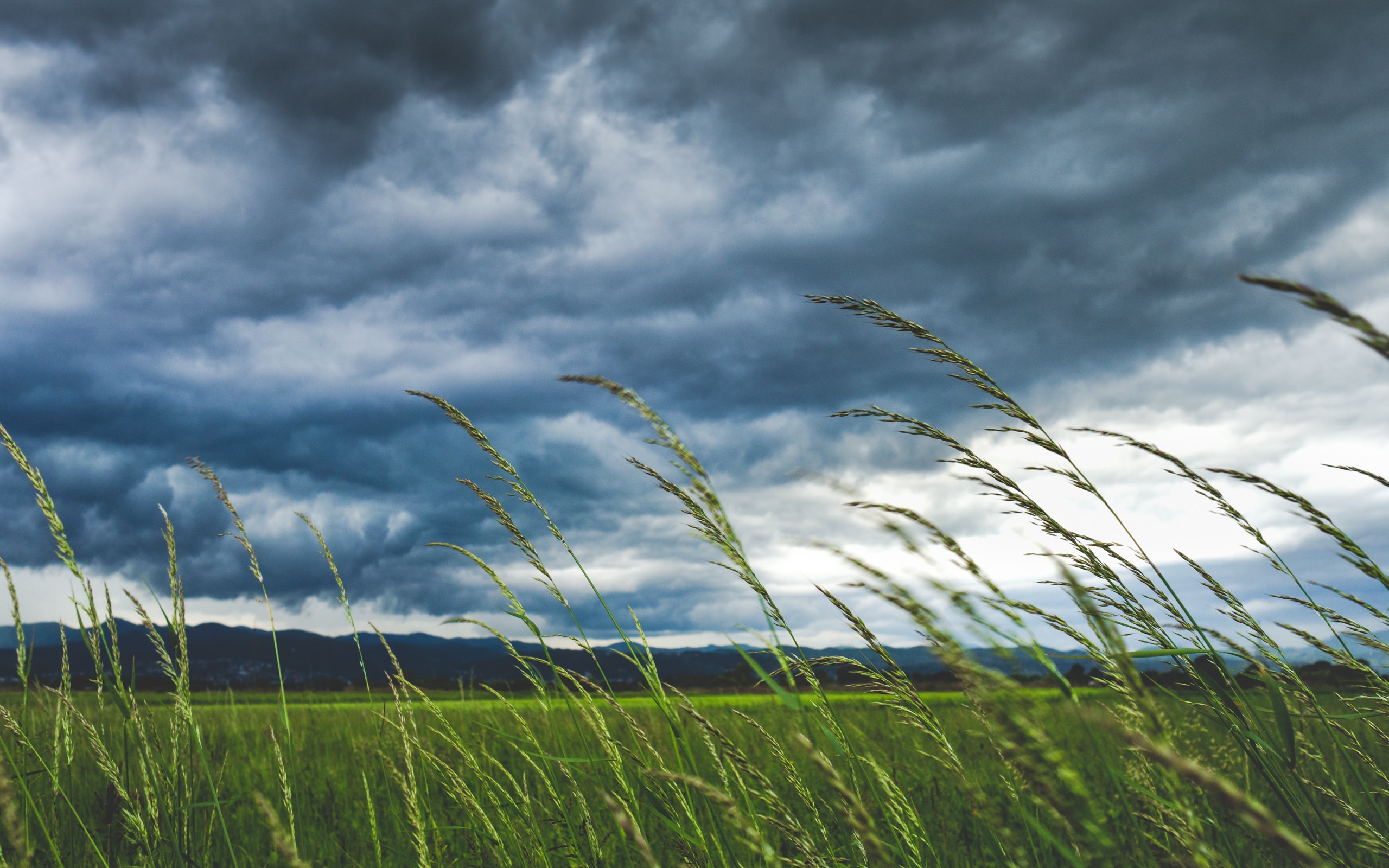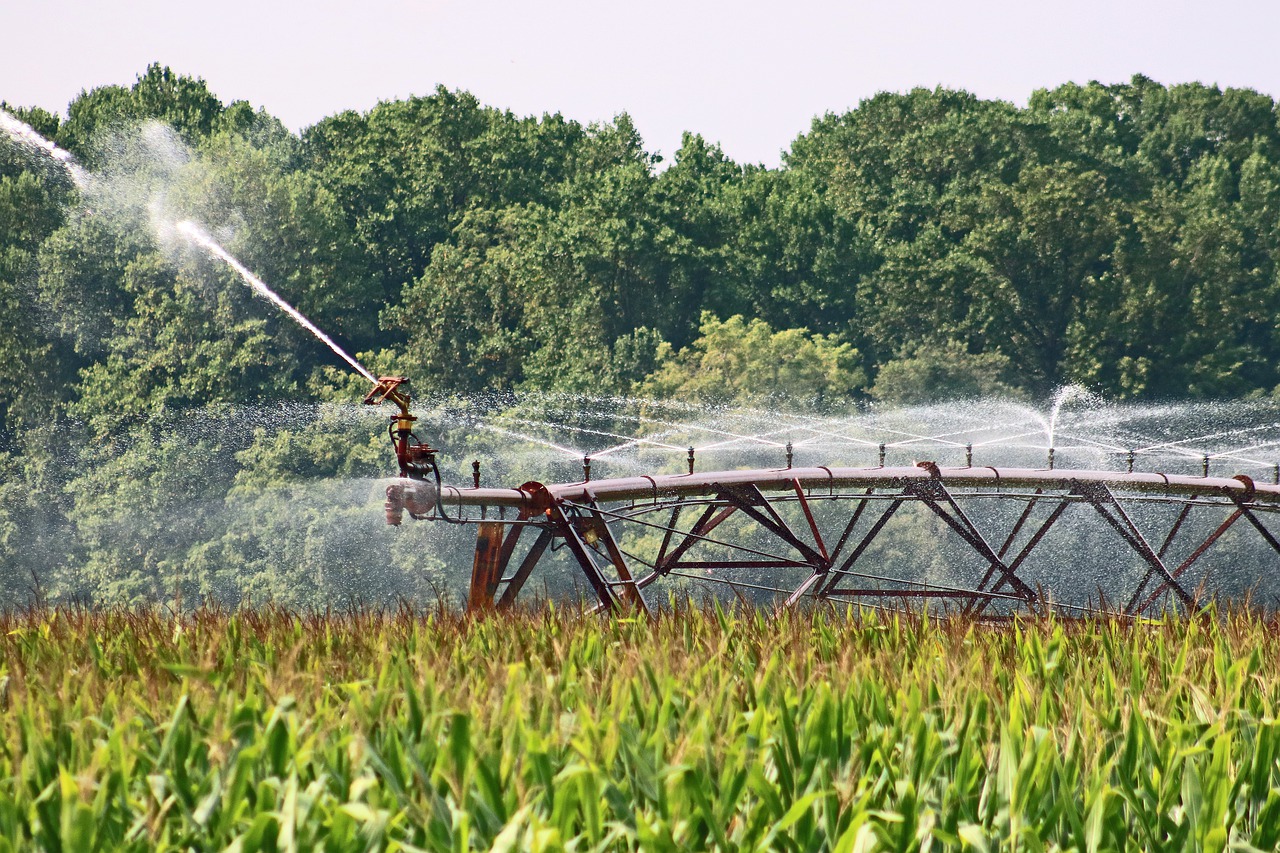
Farmers in several districts of the state are struggling to save their crops due to intermittent power supply that has hit irrigation.
Most of the 44,000 water pump sets in the state are able to irrigate crops only partially for this reason. Set in the context of a 60 per cent rainfall deficit in the state, farmers say that these interruptions could lead to large-scale crop failure, affecting food security in the near future.
Already, 113 taluks in 29 districts are facing severe moisture stress according to the revenue department. Reduced functioning of irrigation facilities, particularly when a significant proportion of farmers are dependent on borewells, is a cause for serious concern.
According to the state economic survey, among all irrigation sources, borewells account for the highest proportion (43.99 per cent) of the net irrigated area.
Mahadevaswamy H Mukkali, a farmer from Chamarajanagar district, says, "We are supposed to get a minimum of seven hours of electricity for pumpset use, but in reality, we receive it for three to four hours."
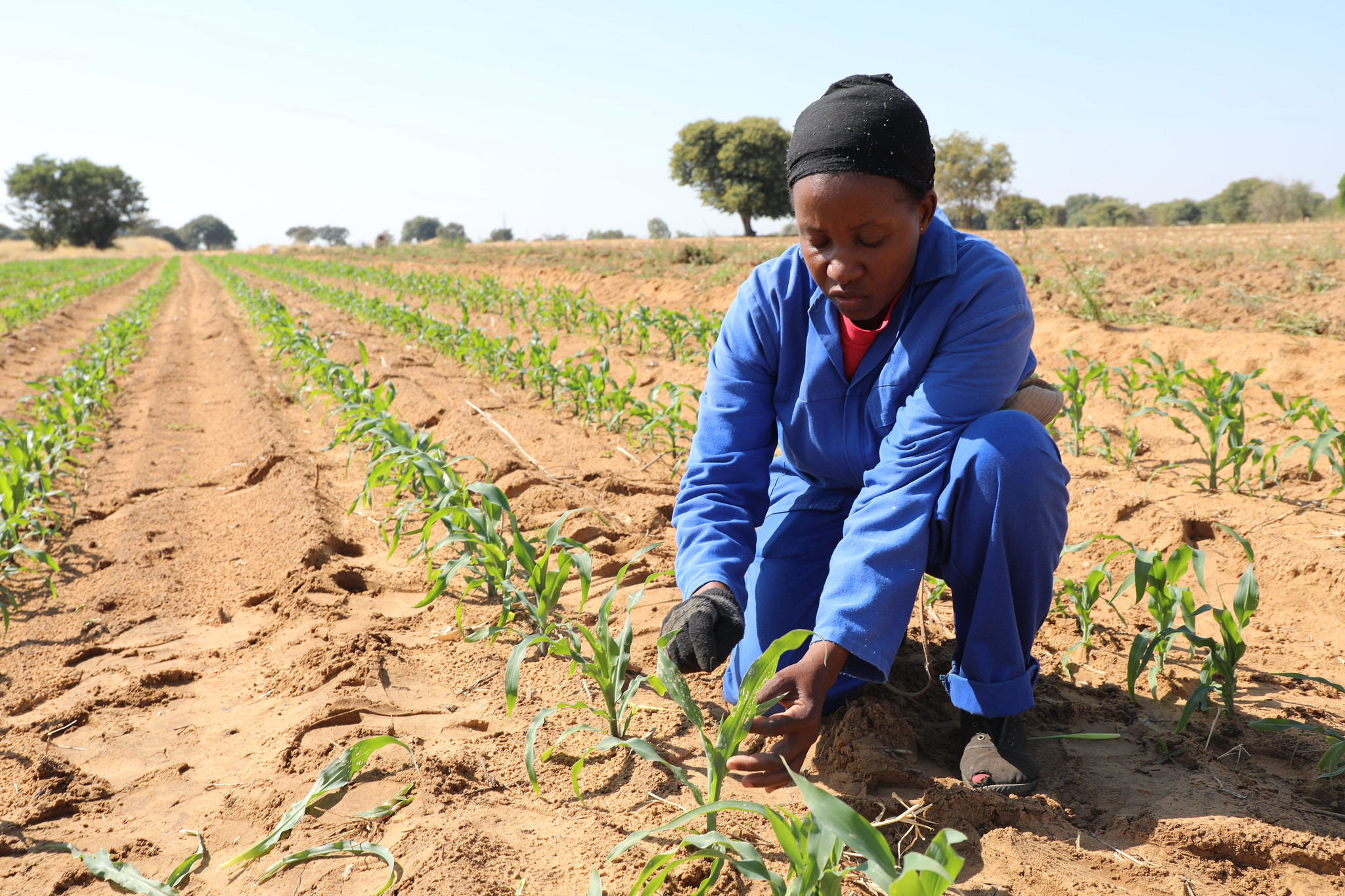
Mahadevaswamy is able to irrigate less than half of the 10 acres of land he has. The crops including sugarcane, tur dal, black-eyed beans and corn are at risk.
Chitradurga farmer leader Echaghatta Siddaveerappa says this is a common problem across the state. “We get 4-5 hours of power cumulatively, but even this is divided between day shifts and night shifts. Farmers have to venture into the fields at night. With the increase in human-animal conflict, this is very dangerous,” he says.
Intermittent power supply has become a state-wide problem for farmers, says Kurubur Shanthakumar, president of the Federation of Farmers' Associations of Karnataka. “Farmers are getting only 2-3 hours of electricity supply for irrigation purposes. We are planning a massive protest about the issue," he says.
The reasons
The managing director of a distribution company (DISCOM) in the state explains that the hours of power supply are reduced from seven hours only in the case of a shortage. "Power supply is interrupted for more than two hours if there are physical disruptions in the lines," he says.
At the state level, there was no deficit in electricity supply since power is procured when there is a shortfall, says Pankaj Kumar Pandey, managing director of Karnataka Power Corporation Limited. "At the district level, sourcing the power may vary which may cause localised interruptions. As far as possible, we are providing electricity for 7 hours,” he adds.
Power supply is divided into day and night shifts to decrease the load on power grids, Pandey says.
Reduced production
Cultivation patterns are already severely affected by the lack of rains. While the agriculture department has set a target to cultivate 82.35 lakh hectares of land in the kharif season, the state has so far started cultivation activities only in 56.7 lakh ha (69 per cent). Officials say Karnataka should have completed sowing activities by August or September at most.
Farmers who have started cultivation have already reported crop loss due to lack of rain and inadequate power supply. Revappa Uppin, a farmer from Kalaburagi district, says that his tur crop is already withering. "This will impact crop production and food supply in the state in the near future," he says.
"The rainfall deficit, reduction in net sown area and severe moisture stress in 29 districts of Karnataka will result in reduced crop production,” says G T Puthra, Director, Agriculture Department.
To combat this, it is imperative that the existing crops are protected. "Most farmers have borewell irrigation. If there is a consistent supply of power for seven hours we can manage cultivation. If the state is ready to provide power to industrialists consistently, then why not to farmers,” asks Magadi-based farmer leader Lokesh.
Source - https://www.deccanherald.com