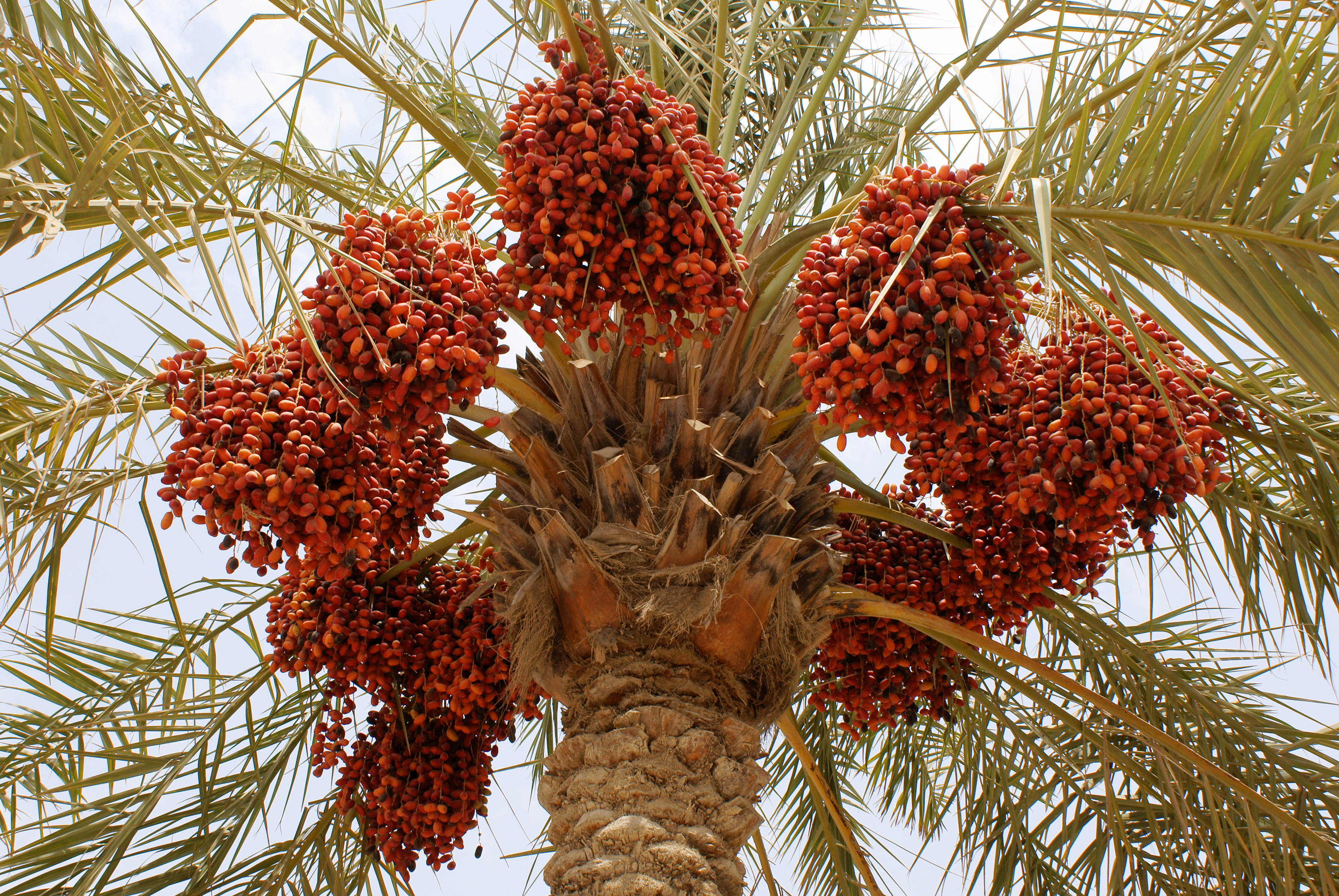
While the very heavy rain in most parts of Kutch over the past seven days has raised the prospect of sowing of Kharif crops in large areas of the district, early rain has also caused widespread damage to date palm orchards with farmers reporting 50 per cent loss of crop. Mandvi, Mundra, Nakhatrana, Bhuj and Anjar talukas of Kutch are known for date palm farming. However, these talukas had recorded 658 millimetres (mm), 721mm, 559 mm, 531 mm, and 394 mm rainfall respectively as of July 13. Much of this rain was recorded in 10 days beginning from July 3.
“Generally, Kutch starts experiencing good rain showers from the third week of July. But this year, they arrived two weeks early and thus coincided with the peak harvesting of fresh dates,” Vikramsinh Jadeja, president of Kutch Date Palm Growers Association (KDPGA), says adding, “It rained heavily and persistently for at least a week in Mundra, Mandvi and Nakhatrana and therefore crop has been damaged on a large scale in these talukas.”
Jadeja said that farmers in Talukas like Anjar and Bhuj escaped with less damage.
“Bhuj and Anjar received heavy rainfall only on July 12. Before that, these two talukas experienced only light showers which the date palms could withstand. So farmers in these two talukas got around 10 more days to harvest their fruits,” said Jadeja.
According to data available with the state horticulture department, Kutch accounts for 1.89 lakh hectare of the 1.99 lakh hectare under date palm cultivation in Gujarat. It also accounted for 1.79 lakh metric tonnes (MT) of the 1.85 lakh MT production of fresh dates recorded in Gujarat in year 2020-21.
Within Kutch, around 60 per cent of the area is under cultivation of native varieties while the rest is accounted for by Bahri, a variety native to Israel, says KDPGA.
Jadeja said that harvesting of fresh dates starts from June 15 onwards and runs through the first week of August. The native date varieties which bear scarlet-coloured dates are first to ripen while the high-yielding Bahri variety of Israel ripens a little late hence its harvest starts from July onward only.
“The rain hit when I had harvested around 60 MT of fresh dates, all of them native varieties, while around 50 MT, including Bahri, was ready for harvest. Heavy rains for 10 consecutive days damaged every fresh date on palms,” Hussain Turk, who owns a three-hectare date palm orchard at Dhrab village in Mundra taluka, said.
Turk said that he realised a good price for fresh dates, in the range of Rs 25 per kg to Rs 80 per kg (1,000 kg make one MT) and his total realisation from 60 tonnes was Rs 20 lakh which is around 80 percent of his last year’s total realisation of around 25 lakh.
“In late June, the weather was very hot, hastening the fruit ripening process. But then, we experienced 28 inch of rainfall in six days, damaging each and every fruit,” said Turk, adding his harvest of Bahri had not started when the rains arrived. “I have suffered crop damage before but it would be in the range of 20 to 25 percent. In my entire life, I have not seen so much rainfall so early in July and damage on such a large scale,” 73-year-old Turk said.
At Gadhsisa village in adjoining Mandvi taluka, Sohit Dedhiya rues that the rain damaged 20 tonnes of fresh dates worth around Rs 20 lakh.
“This is the third straight year when my fresh dates have been damaged by rain,” Dedhiya says, adding, “Temperatures were unusually high before rains arrived. This is like rain pollution for us caused by climate change.”
He added that thanks to good market demand, he realised Rs 200 to Rs 400 per kg and around seven MT of fresh dates which he managed to harvest before rains fetched him a total 14 lakh.
Kapil Mohan Sharma, scientist with Sardarkrushingar Dantiwada Agricultural University’s Date Palm Research Station in Mundra says fresh date fruits are weather-sensitive.
“Fresh dates have very thin skin which ruptures easily as soon as date palms’ root system start absorbing more water soon after rain and takes them to the fruits. Once the skin is ruptured, dates start rotting and falling to the ground,” says Sharma, adding, “The fresh date harvesting season was delayed this year by around two weeks as Gujarat kept on experiencing rainfall till December last year. This made matters worse for farmers.”
Officers of the state horticulture department agreed damage has been reported. “The rains have damaged fresh dates crops in varying degrees in talukas of Kutch due to heavy rainfall. But those who took precautionary measures like covering bunches of dates with protective coverings escaped with less amount of damage,” said Mandip Parsaniya, state government’s deputy director of horticulture for Kutch.
Source - https://indianexpress.com