India - Dharmapuri mangoes of Tamil Nadu will be more expensive after pest attack

12.05.2022 1367 views

The famous Dharmapuri mangoes of Tamil Nadu are set to get more expensive as a result of pest attack leading to shortage.

According to farmers, the prices are yet to be fixed but it will be anywhere more than 20 to 30 per cent than the previous years, given the damage suffered by the pest attack.

The district has a total of 15,000 hectares under mango cultivation and the yield was around 10 tonne of mangoes for each hectare, they said.

K. Krishnamoorthy, a mango farmer at Dharmapuri told IANS: “The production of mangoes was around 1.5 lakh metric tonne from the 15000 hectares of cultivation. However, this year pests have ravaged the crop and we do not expect half the produce and this will lead to a hike in prices.”

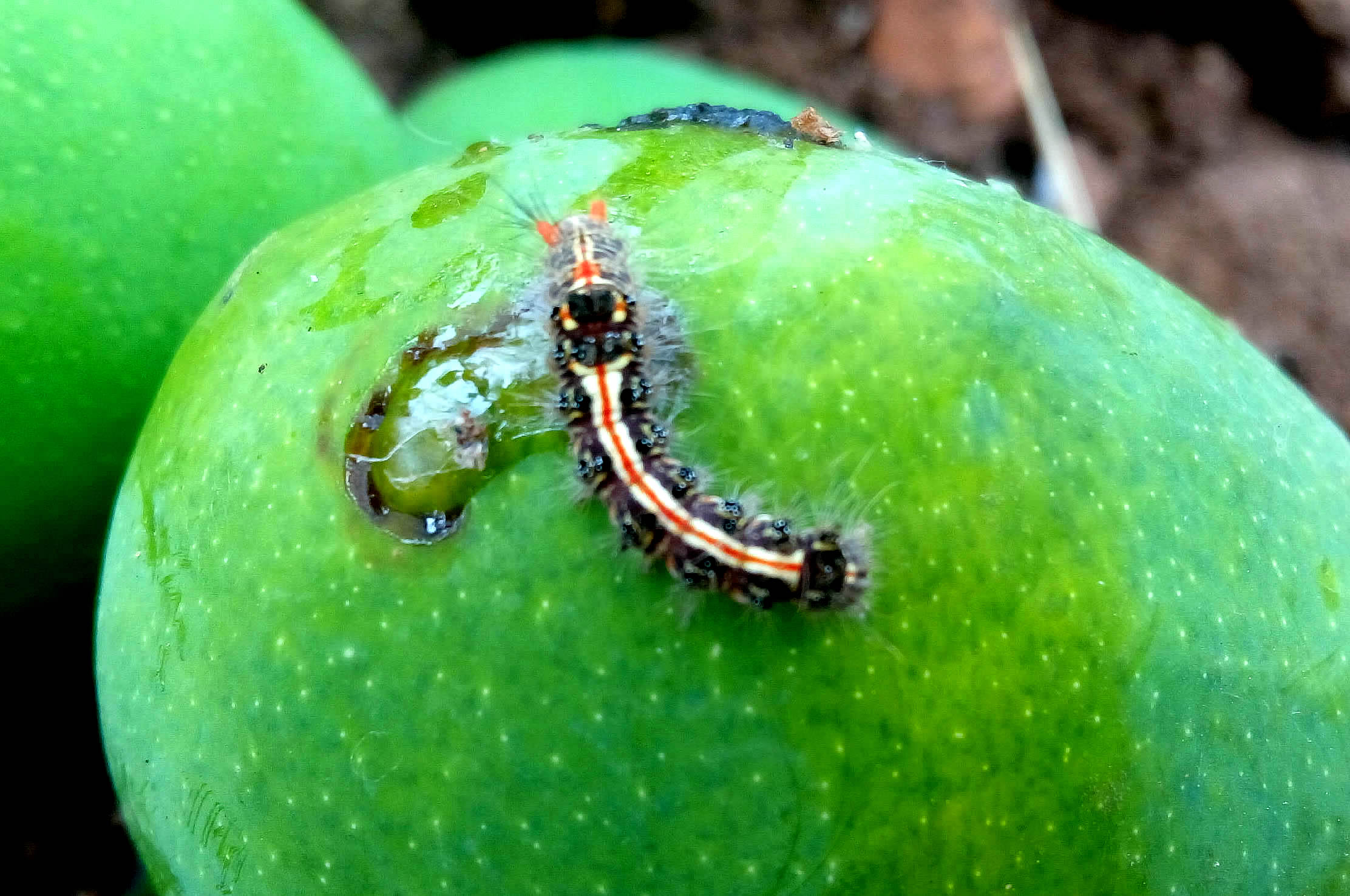
Horticulture department sources told IANS that two insects, leafhopper and Thrips have destroyed the crop by half in the current season at Dharmapuri.

The state horticulture department has already invited plant scientists, pathologists, and entomologists to investigate and suggest counter-measures and some scientists have given a list of recommendations for farmers to overcome the situation.

Source - https://www.freshplaza.com

11.10.2026

India - Tripura JICA Project, ARDD Conduct Training on Scientific Pig Rearing in Khowai

A two-day capacity-building programme on scientific pig rearing,  livestock health management and livestock insurance was organised at the Chakmaghat Beat Meeting Hall in Khowai on October 7–8 under the Tripura Sustainable Catchment Forest Management Project (SCATFORM), a JICA-assisted initiative of the Forest Department, in collaboration with the Animal Resources Development Department (ARDD).

11.10.2026

Philippines - Iloilo Province sets P82-M emergency fund for water shortages, crop losses

The Iloilo Provincial Government is preparing for a potentially prolonged nine-month drought emergency extending until June 2027, with an P82-million quick response fund on standby as authorities brace for severe water shortages, agricultural losses and other threats from a forecast super El Niño.

11.10.2026

NCAM boss seeks more equipment to curb Nigeria’s post-harvest losses

The Executive Director, National Centre for Agricultural Mechanisation (NCAM), Julius Oluwamuyiwa Oloro, has called for increased development and fabrication of agricultural preservation equipment to reduce post-harvest losses and strengthen Nigeria’s food security.

11.10.2026

Crop nutrient loss threatens public health in Bangladesh

Declining nutritional quality of food crops, combined with soil nutrient depletion and limited dietary diversity, is emerging as a growing threat to public health in Bangladesh and across the world, with millions of people facing hidden hunger despite consuming sufficient calories.

11.10.2026

Brazil launches El Niño climate risk platform for agriculture

Brazil's Ministry of Agriculture and Livestock (Mapa) has launched an information platform covering El Niño and its potential impacts on agriculture. Developed with the National Institute of Meteorology (Inmet), the platform combines climate data, risk management tools, and technical guidance for the agricultural sector.

11.10.2026

Flooding destroys over 80% of potato crop on Greece's Crete

Five consecutive days of heavy rain and thunderstorms have caused flooding, landslides, and agricultural damage across Crete, Greece, with potato and vegetable crops among those affected.

07.10.2026

India - Goa paddy crop hit by rainfall deficit, around 20 hectares affected

Goa’s paddy crop has been affected by deficient monsoon rainfall, with preliminary reports estimating damage to around 20 hectares of cultivated fields across the state.

07.10.2026

Post-Harvest Loss: How NASENI’s Local Innovations Are Safeguarding Nigeria’s Agricultural Yields

Every year, Nigerian farmers face a quiet tragedy that unfolds long after seeds are sown and crops are nurtured. Beneath the scorching sun, vast fields produce abundance, only for a staggering percentage of this yield to rot in transit, spoil in sub-optimal storage, or decay due to lack of immediate processing infrastructure.