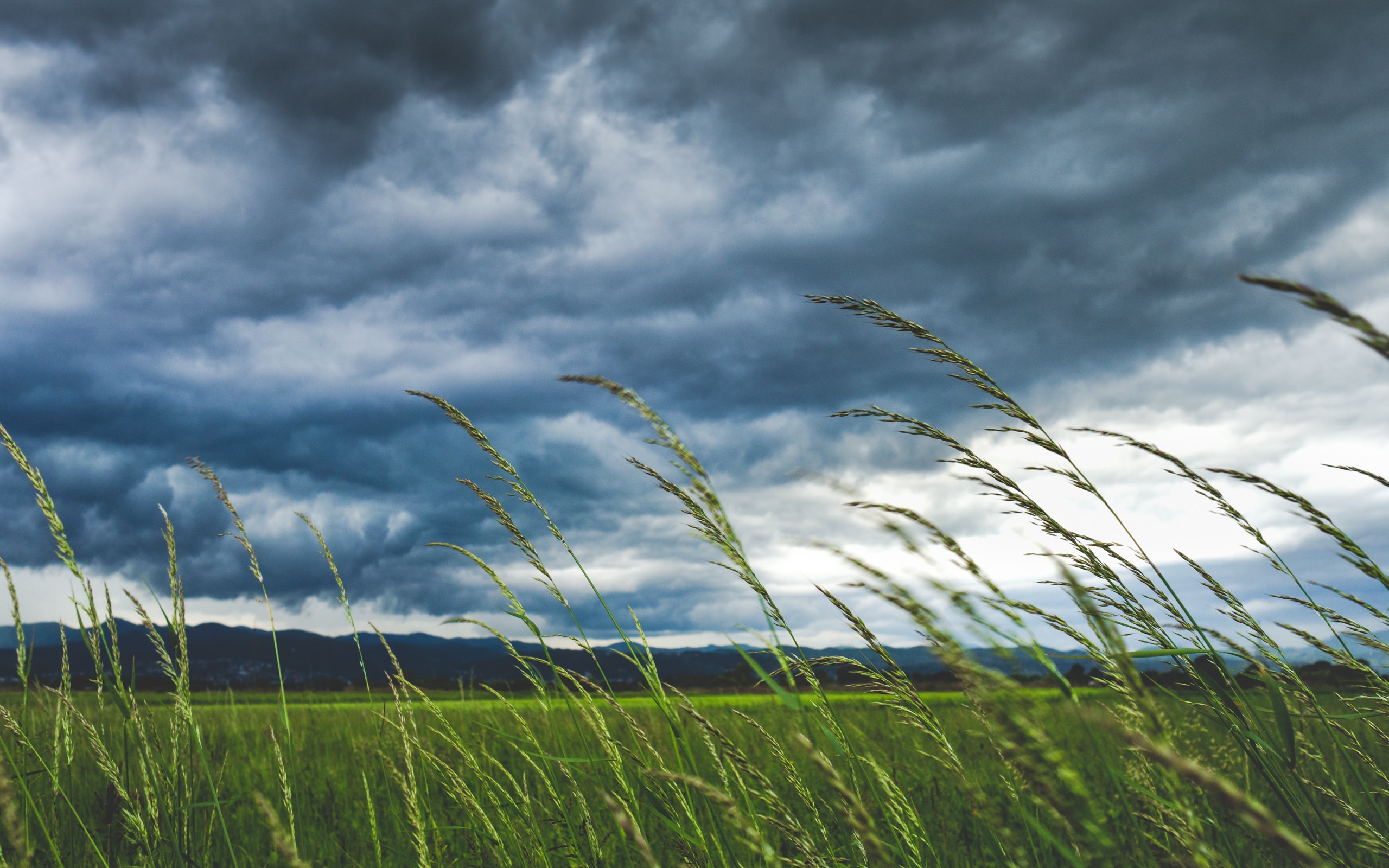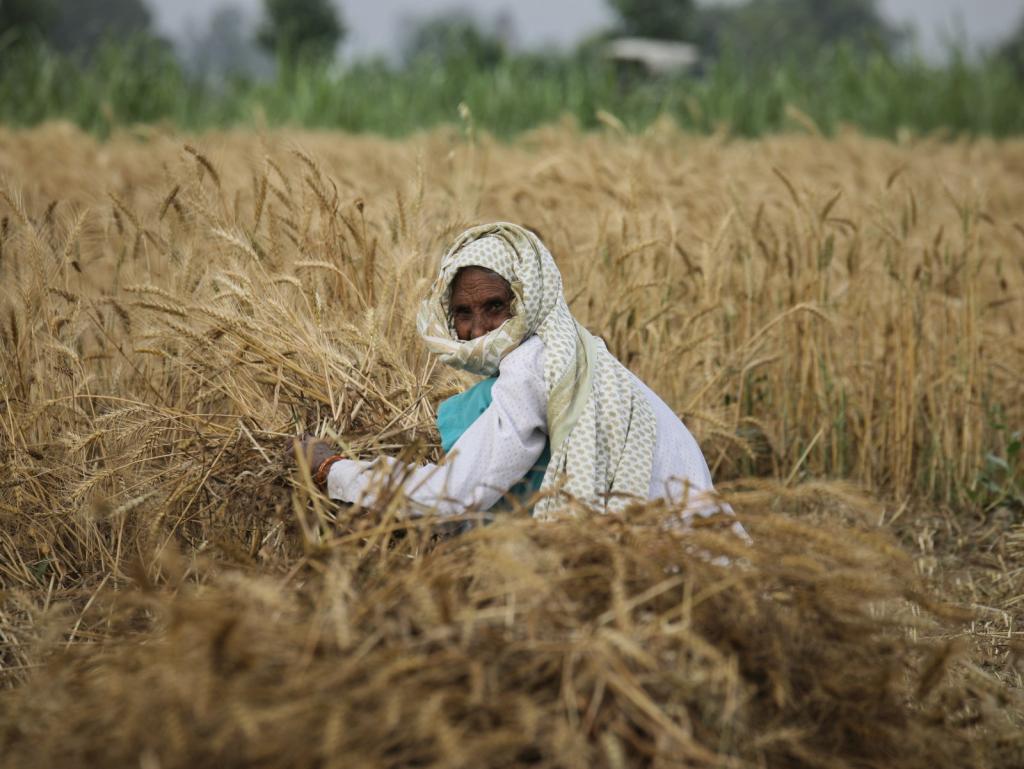
Unpredictable weather patterns have adversely affected rabi crops such as wheat and mustard, which account for almost 70% of India’s winter food-grains basket. Experts predict lower yields for these crops would hurt farmers’ incomes.
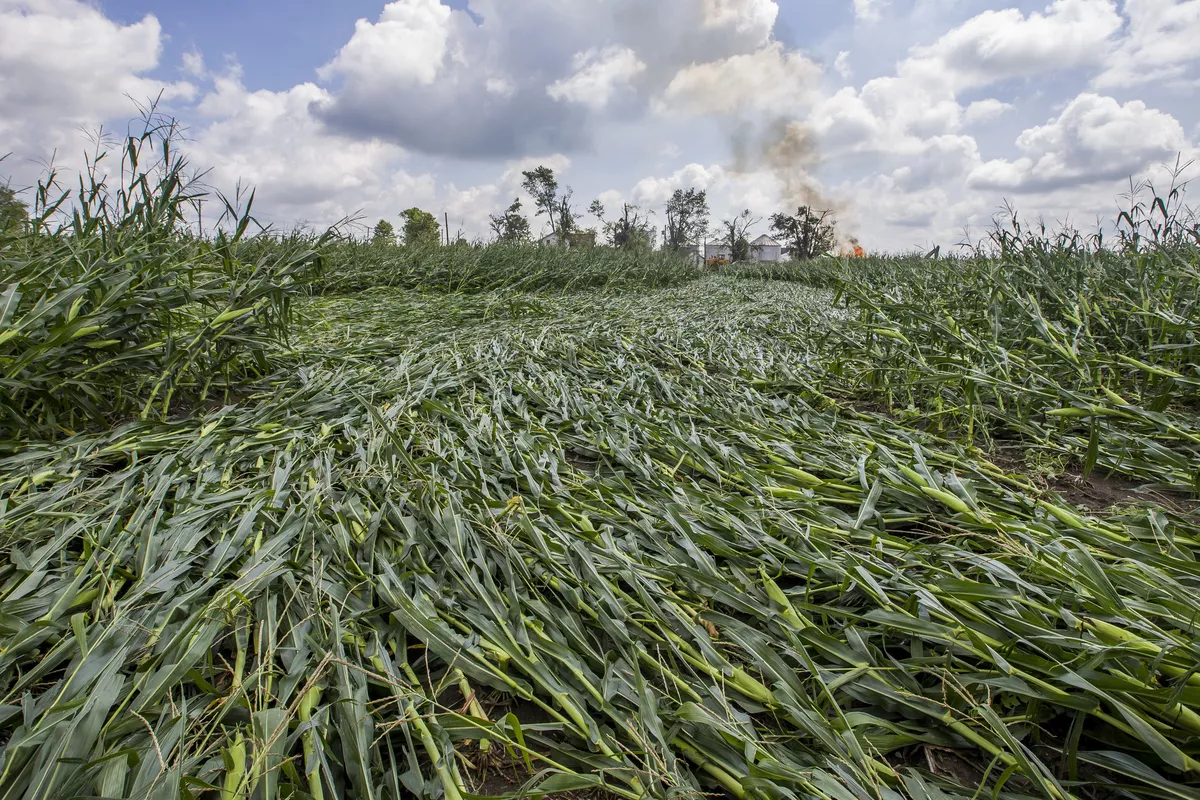
Unseasonal rainfall in Punjab, Haryana, Rajasthan, and Uttar Pradesh and torrential rain with hailstorms in Madhya Pradesh, Gujarat, and Bihar is estimated to have cut wheat yields by 1-2%. Besides, the mustard crop’s flowering and maturity were disrupted by cold waves in December and January and unseasonal rain in February and March, particularly in Rajasthan and Haryana, leading to an estimated 3-4% drop in yields.
“Wheat yield is seen to be 3.24-3.25 tonnes per hectare as against the normal 3.3 tonnes; however, it is better than last year’s yield. Mustard yield is estimated to have fallen 3-4%," said Pushan Sharma, director of Crisil Ltd.
According to the government’s second crop estimates, wheat and mustard crops in the current year are pegged at 112 million tonnes (mt) and 12.8 mt, respectively, compared with last year’s 107.7 mt and 11.9 mt.
“I cultivated 35 acres under various crops such as lentils, mustard, gram and wheat. During the harvesting season, almost every crop was hit by torrential rains, causing a loss of about ₹8-10 lakh, which has never happened within one crop season before," said Abhishek Raghuwanshi, a farmer in Madhya Pradesh.
“Not only quality but also quantity of wheat crop has been affected, especially the sowing that took place in December. This season, I got 14-15 quintals of wheat per acre compared with 20-22 quintals an acre last year," Raghuwanshi said. “In the case of mustard, the output from my farm has been 6-7 quintals per acre against last year’s 8-10 quintals."
“If the forthcoming major kharif crops also fail amid concerns over El Nino compromising monsoon rainfall, cropping pattern may change next rabi season. Farmers may grow more paddy than other cereals and pulses," he added.
Traders and oil millers typically buy mustard seed with high oil content at a higher price as it yields more oil after milling.
“However, owing to estimated 6-8% lower oil content in the seeds, traders and oil millers will tend to pay less price to the farmers. In the case of wheat, quality has been a concern due to torrential rainfall in the harvesting season, which will fetch farmers lower prices," Sharma added. “Mustard and wheat growers are expected to witness a decline in profitability per hectare for the current season owing to negative price sentiments for both crops."
Although state governments have announced relief packages for farmers to offset the damage from unseasonal rainfall, the timing of the fund distribution and quality of monsoon for the Kharif season remain uncertain, Sharma added.
Experts said climate change is expected to lead to a high degree of variability in crop yield, resulting in farmer incomes becoming uncertain.
“Since an average Indian farming household has very limited financial savings, the private rural consumption and investment are expected to become more volatile. If the adverse climate conditions cause losses across successive seasons, we may end up with a structural downward shift in rural economic potential," said Anil K. Sood, professor and co-founder of the Institute for Advanced Studies in Complex Choices. “We have had to deal with high volatility in agriculture output during the 2014-15 and 2015-16 fiscal years after two successive drought years. Northwest and northeast India have been experiencing deficit monsoon for many years at a stretch."
“Increased public spending on farming infrastructure like irrigation and flood control and services such as crop production and management can help mitigate the impact to a large extent," Sood said.
Source - https://www.livemint.com