India - Excessive rainfall causes cocoa crop loss, farmers suffer

18.09.2024 482 views

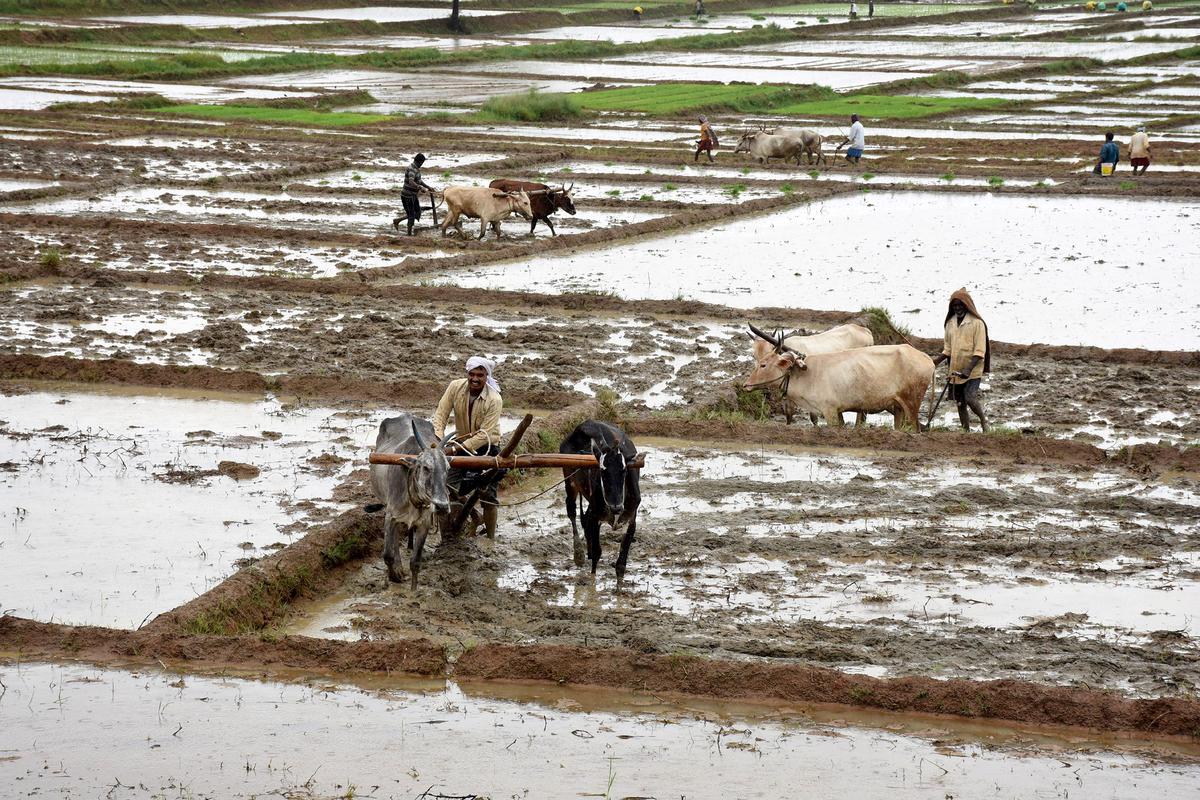
Cocoa farmers, who enjoyed excellent income last year due to record market prices, are facing a shock this year as excessive monsoon rains have caused the cocoa crop to dry up.

Despite various precautionary measures, cocoa crops continue to be affected by diseases. For years, cocoa farming was not a preferred option in Dakshina Kannada. However, last year’s record price of Rs 320 per kg for raw cocoa, a significant increase from Rs 100 per kg, restored confidence among farmers. Unfortunately, the price later dropped back to Rs 100 per kg.

This year, due to heavy monsoon rains, farmers have not been able to harvest the cocoa crop in August and September, the typical harvesting months.

Cocoa growers estimate that 60% of the crop has been lost due to blackening and drying, particularly during the flowering stage, making it impossible to protect the plants. While it is common for cocoa to turn black during the monsoon, farmers report that the damage is more severe this year. The disease resembles Koleroga, caused by the Phytophthora fungus.

Initially, brown or chocolate-colored spots appear on the cocoa, which eventually spread, covering the entire fruit. A white fungal growth envelops the cocoa, turning the seed inside black.

To combat this, farmers are advised to collect and burn fallen leaves and infected fruits. Regular care of the plants, ensuring sunlight and air circulation, is essential. During the monsoon, spraying a 1% Bordeaux mixture solution is recommended.

Dr Vinayaka Hegde, a scientist at CPCRI, stated, "During the monsoon, cocoa is vulnerable to Koleroga and Kappu Kaayi Roga. Excessive rain and fungal infections cause the crop to blacken and dry up. This can be controlled by spraying Bordeaux solution early in the flowering stage or by having the crop tested by experts and applying the necessary pesticides."

Source - www.daijiworld.com

27.08.2026

Crop Insurance Add-Ons Surge as U.S. Farmers Expand Subsidized Coverage Nationwide

U.S. farmers sharply expanded area add-on crop insurance in 2026 after federal subsidies rose to 80%, reshaping coverage and federal costs.

27.08.2026

China grain imports in focus as crop damage hits key producing regions

Extreme heat, heavy rain and flooding across key Chinese farming regions are putting global grain and cotton exporters on alert, as markets assess whether crop damage could increase China’s import needs.

27.08.2026

Philippines - Benguet crop loss worst in Cordillera

The strong monsoon rains that have been pouring in the Cordillera region for nearly three weeks now have cost vegetable-producing Benguet province up to P446.55 million in farm losses, according to data consolidated by the Regional Development Council on Wednesday.

27.08.2026

USA - Bear damage costs Benzie County farmer at least $40,000 across 1,100 acres of corn

Corn growers around northern Michigan are getting a really good look at how this year's crop is shaping up before harvest, but one of them in Benzie County is getting to see a lot more than that.

27.08.2026

India - Shivraj Singh Chouhan reviews summer moong procurement and crop insurance in Madhya Pradesh

Union Minister for Agriculture and Farmers Welfare Shivraj Singh Chouhan on Thursday conducted a virtual review meeting with the Agriculture and Horticulture Ministers of Madhya Pradesh at Krishi Bhawan, New Delhi.

27.08.2026

India - Demand to withdraw farmer ID mandate for crop procurement

The Andhra Pradesh Koulu Rythu Sangham (AP Tenant Farmers’ Association) has demanded that the State government immediately withdraw its decision to make Farmer ID (Unique Farmer Number) mandatory for selling crops at government procurement centres, stating that the move would severely affect tenant farmers. 

26.08.2026

Lithuania declares nationwide emergency after storm causes heavy damage

Lithuania’s government declared a nationwide “extreme situation” Wednesday following a severe weekend storm that caused extensive damage to crops, livestock and agricultural infrastructure.

26.08.2026

Cameroon Sets 2026 Planting Windows to Help Southern Farmers Reduce Crop Losses

Planting too early or too late can cost farmers part of their harvest. Cameroon’s National Observatory on Climate Change, or ONACC, has now set rainfall and planting windows for the second 2026 farming season across the country’s southern regions, giving producers a tool to reduce weather-related crop losses.