The rains in June and July would provide an elixir for Gurez’s organic and exotic crops like rajma, black zeera, (cumin), and potatoes.
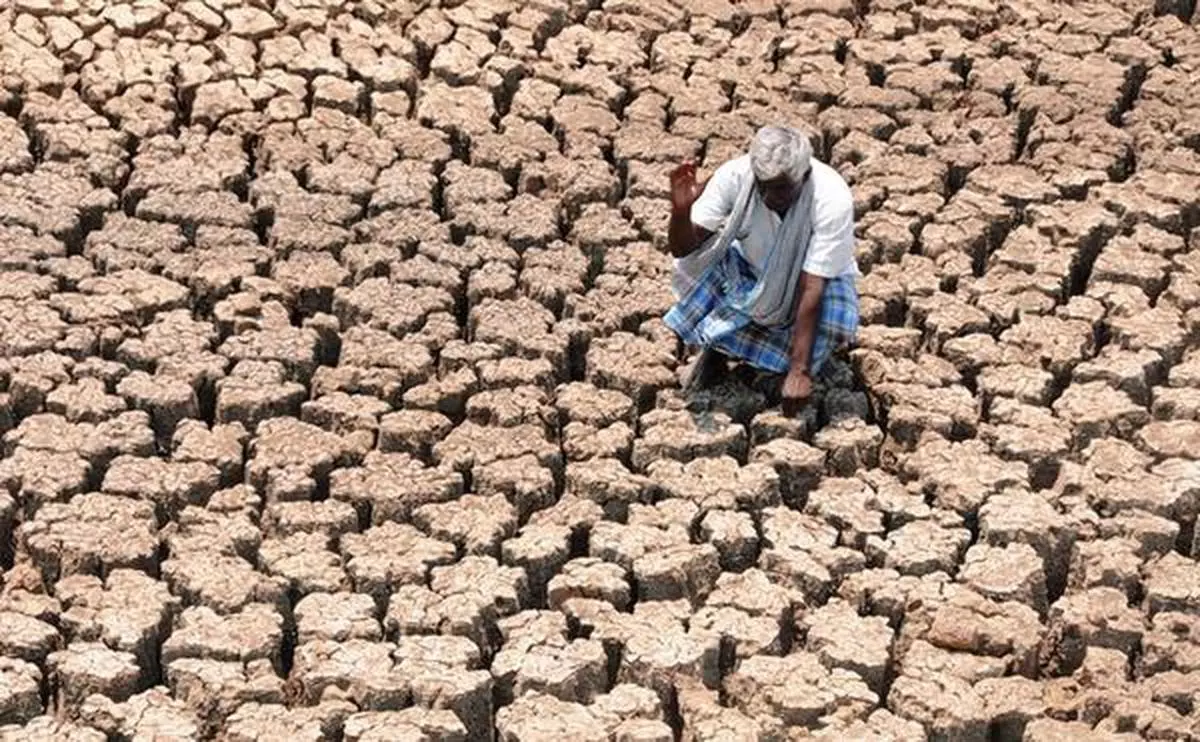
However, amid scant rainfall, the crops have withered with no hope left of revival as harvesting season approaches.
“The situation is abysmal,” Agricultural Extension Officer, Gurez, Rafiq Ahmad Lone said.
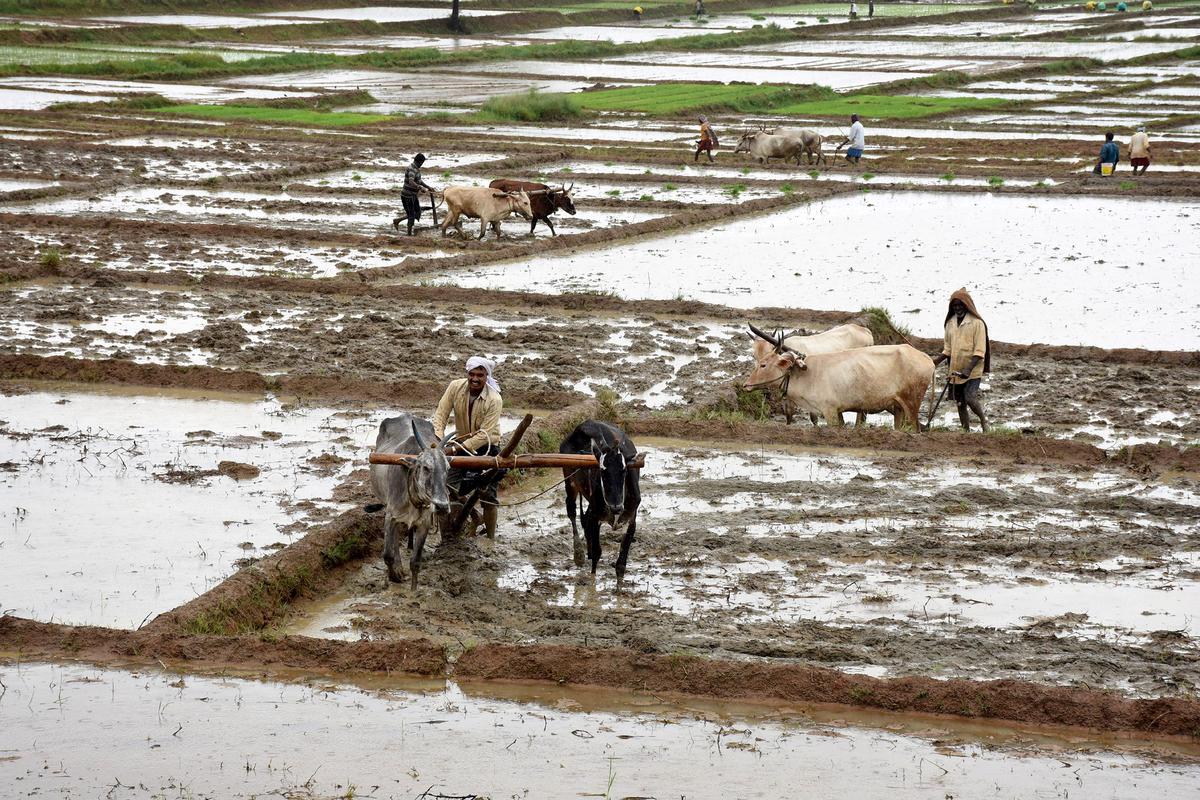
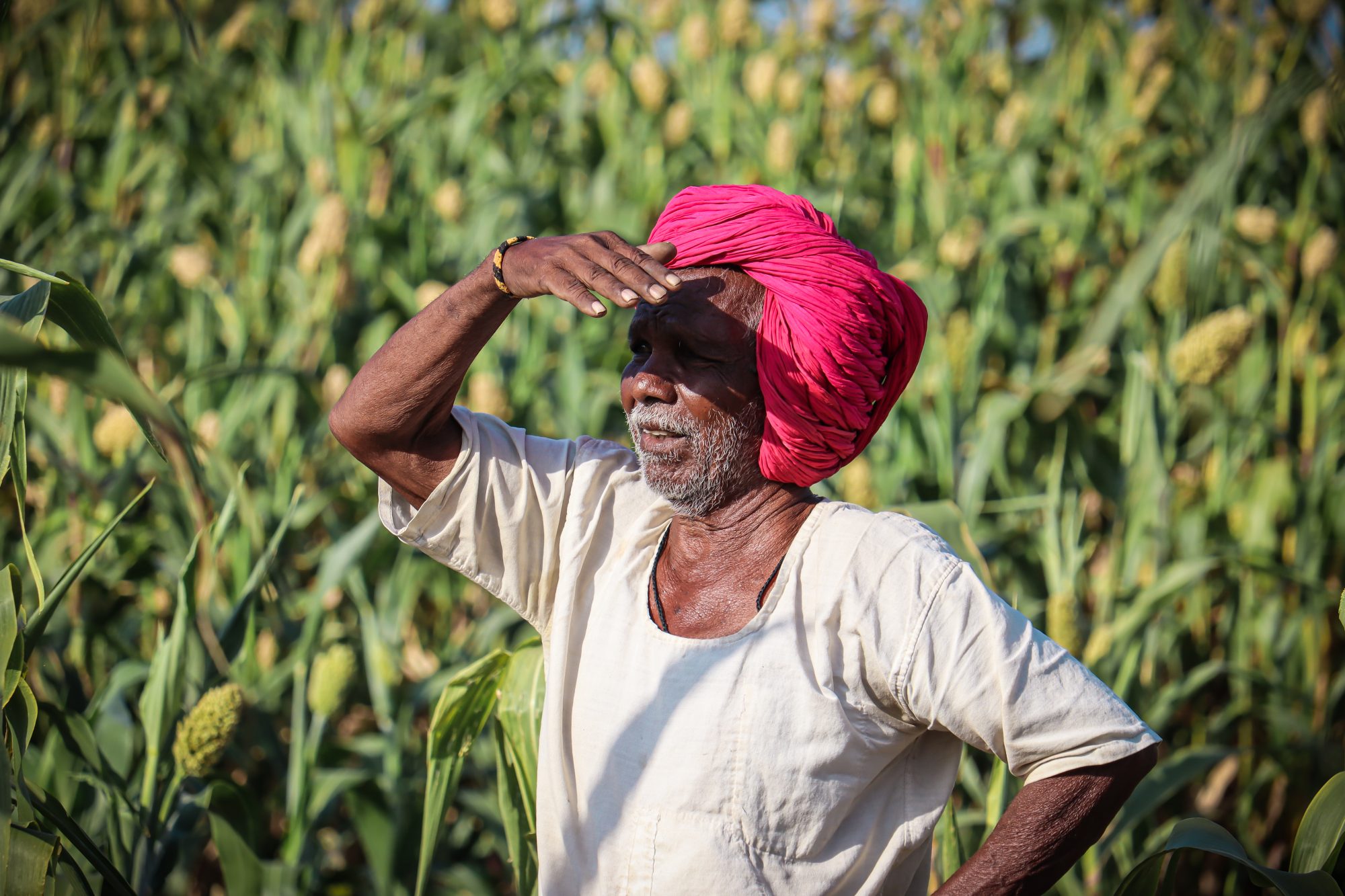
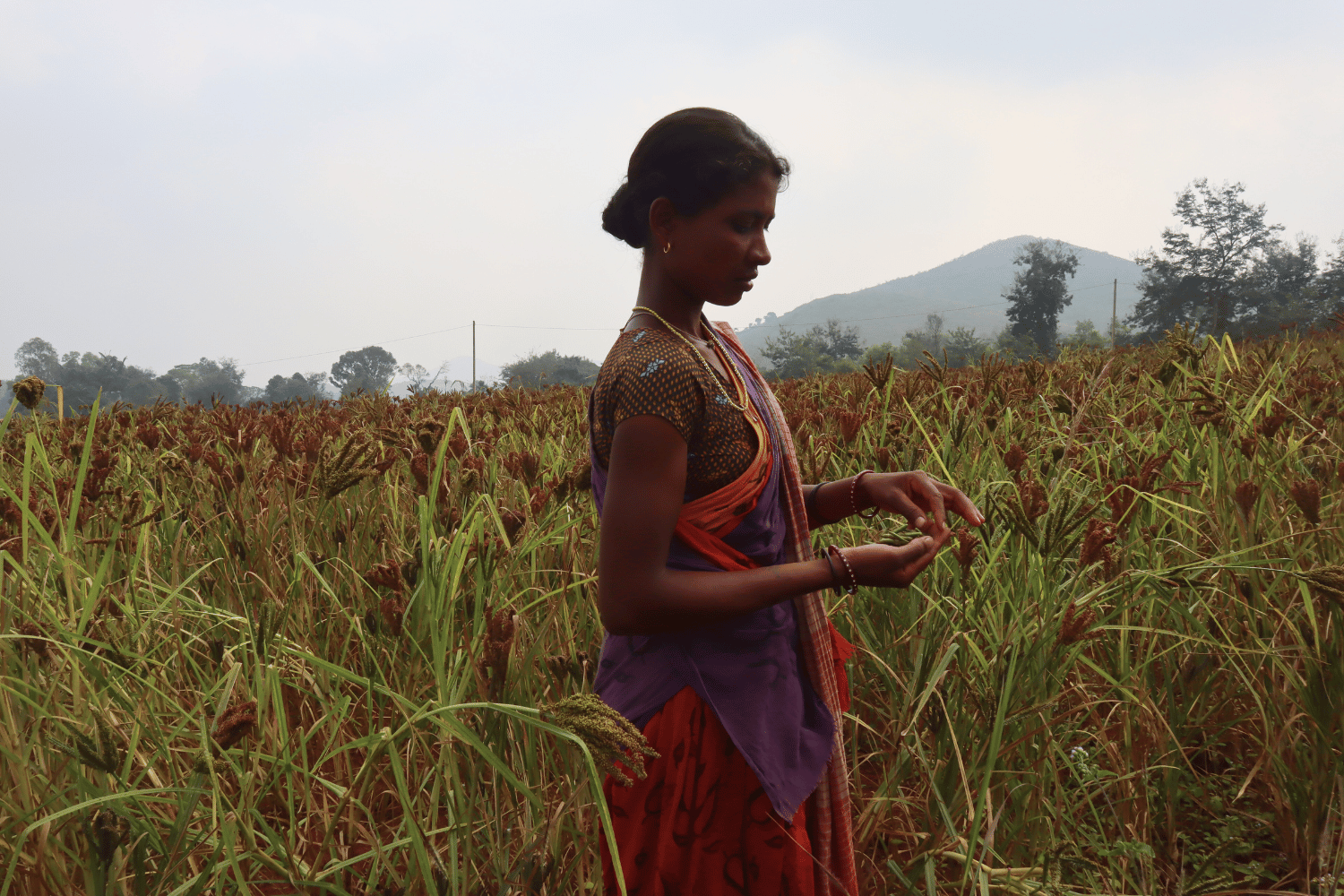
Gurez’s almost 50,000 population in its three sectors – Dawar, Tulail, and Bagtore – are mostly agrarian. Being hilly, the ideal crops grown are maize, peas, potatoes, and Rajma.
Gurez is also famous for black cumin which has been growing here in the wild for ages.
However, new scientific approaches in recent years have brought it to the farmer’s fields and even to the homes.
“For this month we would cultivate special type of peas and also grass for the livestock, but nothing has grown as the crop has all dried up,” said Abdul Raheem Lone, a local from Dawar.
He said that in June and July, Gurez would witness frequent spells of rain, however, this year the rainfall has been near zero and the weather conditions are somewhat still the same.
“This resulted in crop damage,” Lone said.
With September being the harvesting month for almost all the crops, including the most famed potatoes, and black cumin, locals and officials cast a “grim picture” suggesting the drought has caused almost 100 percent crop loss this year.
It includes maize and corn too.
The situation has risen amid a surge in tourist arrivals to the virgin valley for three years now, and erratic weather conditions in J&K since winter.
“This season, there is neither crop nor the grass,” Lone said. “There has been nothing left to harvest.”
The Agricultural Extension Officer said that initially, the crop grew normally, but as hot weather conditions continued with no rainfall in view, it ruined everything.
“Even though some villages like Maroot, Dawar, and other villages scattered around the valley have irrigation facilities, the seasonal streams ran dry, which resulted in crop loss in these areas too,” he said.
The official said that they even sought suggestions from Sher-e-Kashmir University of Agricultural Science and Technology, Kashmir (SKUAST-K), which has one of its centres located in Gurez.
“They too suggested the condition has risen from drought. We also submitted our report to the higher officials,” he said. “It’s all impact of the weather.”
The official said that the total harvest would be just 10 to 15 percent.
The locals and the officials said that for this time of the year, the grass or the crop would grow two to five feet long, but this season it had all dried up.
“We would sell the crop and keep the grass for our livestock,” Lone said.
The situation is more complicated for the locals as the valley remains out of bounds from the rest of the country via road for nearly 6 months with no vegetables and grass for the livestock available while locals feed on sundried vegetables and locally grown lentils.
An official said that the potato farm maintained by the department at Izmarg village was witnessing the same condition.
“We uprooted some plants and shockingly few have grown just two to three potatoes, it is devastation,” the official said.
Suhail Subhan, a Krishi Vigyan Kendra official at Gurez also echoed the same concerns.
He said that not only potatoes but the exotic crop black zeera had also taken a blow.
“The drought caused plants to dry up and coupled with the pathogen attacks leaves fell off resulting in massive crop damage,” he said.
Subhan said, “The black zeera needs water for flowering and germination, but with scant rainfall, the crop has not survived this season with an expectation of 20 percent production to the maximum this year.”
The centre which has extensively researched black zeera suggested that it didn’t survive the weather impact.
Source - https://www.greaterkashmir.com