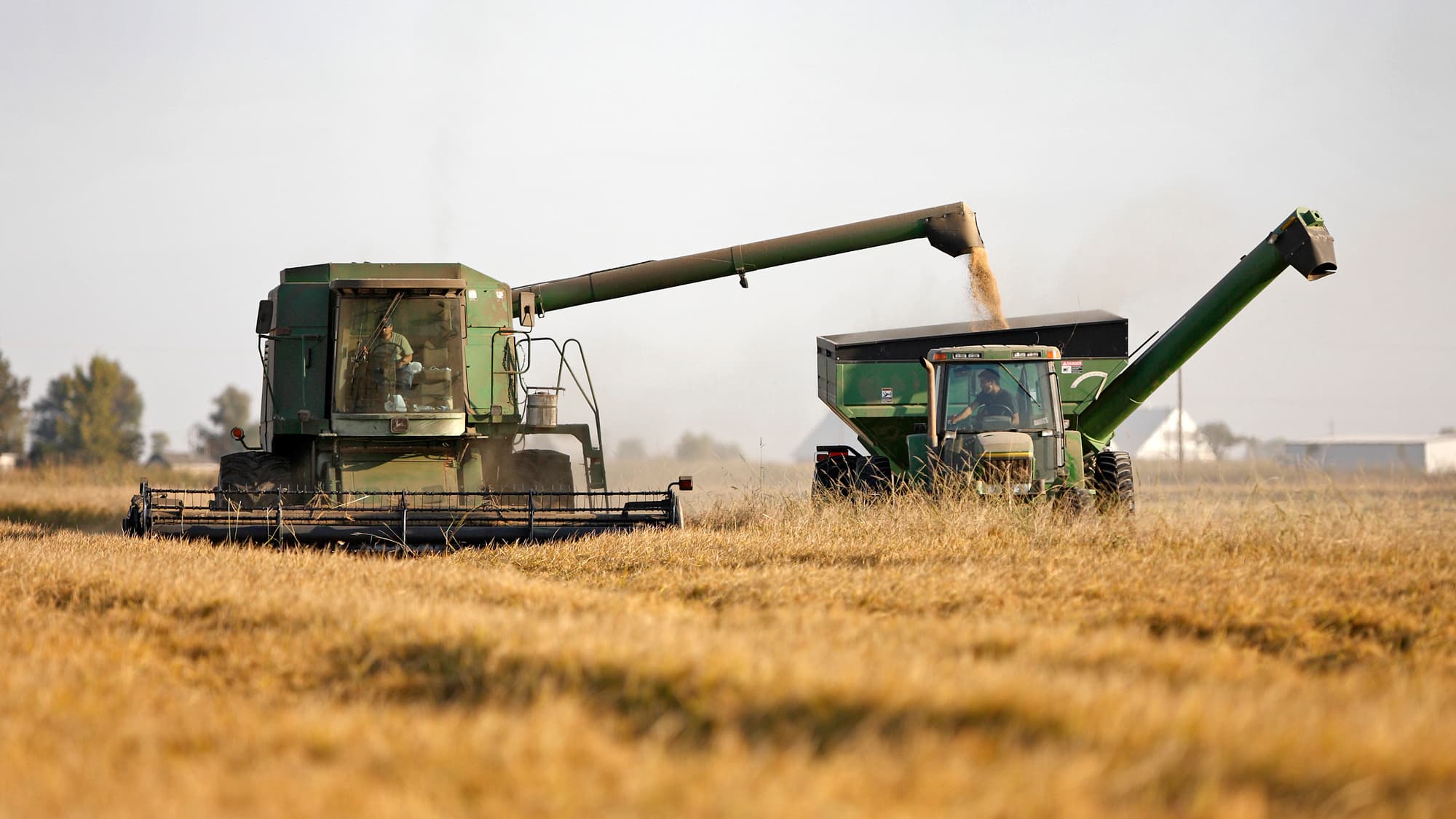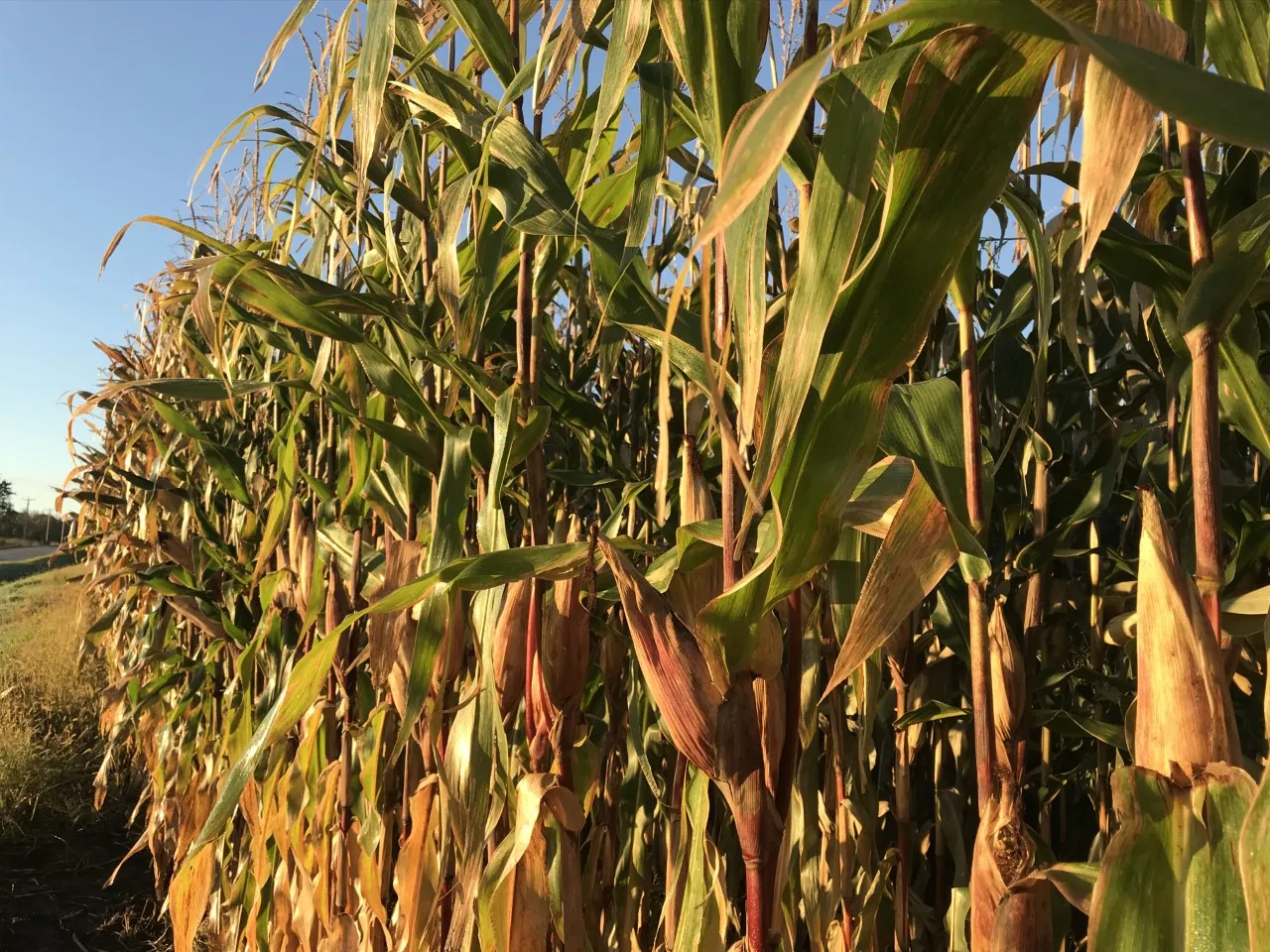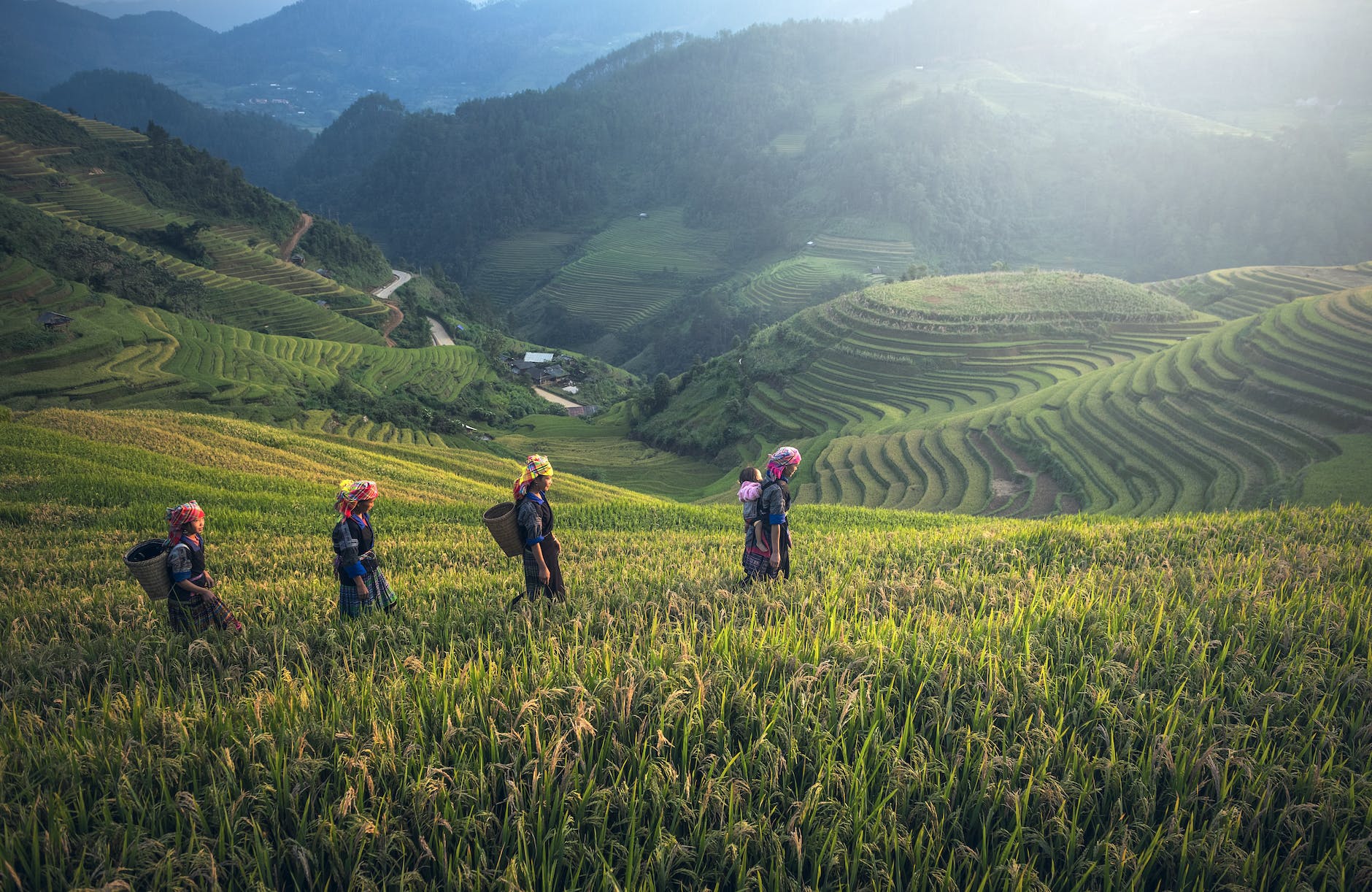
Pioneer Insurance, with its joint venture CARD Pioneer Microinsurance Inc., brought global microinsurance leaders to an immersion in a farming community in Sta. Ana, Pampanga, giving them a firsthand look at how inclusive insurance works in communities and how it reaches farmers and underserved families.
“For us, customer centricity means stepping into our clients’ realities and seeing life from their perspective,” said Melinda Grace Labao, President and CEO of CARD Pioneer Microinsurance Inc. “When we immerse ourselves in their day-to-day experiences, we’re better able to build solutions that truly make a difference.”
The visit formed part of Microinsurance Master, a global accelerator program focused on advancing financial inclusion. Cited as the global standard for microinsurance, Pioneer has been chosen to host the program for the 5th time.
Bert Opdebeeck, founder of Microinsurance Master, shared one of his key learnings from Pioneer, “Let the customer be your guide. To learn their needs, you must go where they are, listen to them, and observe their daily lives.”
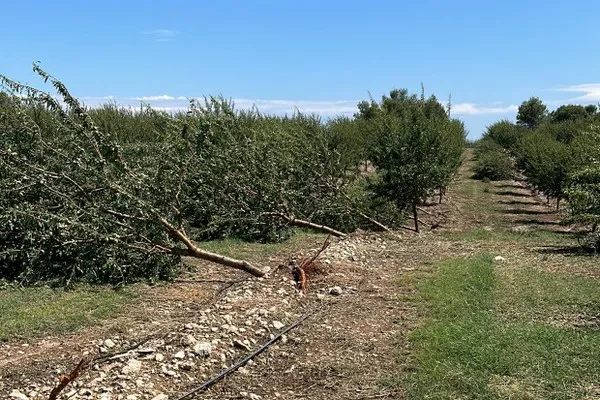
During the immersion, the international delegates engaged directly with smallholder farmers, including Jesus Aguas who shared that pests, flooding, and typhoons remain among the biggest threats to their livelihood.
“Sometimes, when you are close to harvest, a typhoon comes and the crops fall,” Aguas said. “Your investment is wasted.”
For many, however, the risks extend beyond their crops. Bienvenido Timbol Jr., another farmer who shared his experience with delegates, pointed out that while government programs provide insurance coverage for crops, farmers themselves often remain unprotected.
“The crops are insured, but what about the person working on them?” Timbol said. “If we get sick, we have nowhere to get money. We end up borrowing and paying debts again.”
For many families, microinsurance provides an additional layer of protection against these uncertainties. Edna Pamintuan, a member of Center for Agriculture and Rural Development Mutually Reinforcing Institutions (CARD MRI) who maintains multiple microinsurance policies for her household, said she decided to get coverage after being encouraged by their local microinsurance coordinator.
“You can never really say what might happen in life,” Pamintuan said. “That’s why it’s important to have insurance.”
Delegates observed that the Philippine microinsurance ecosystem thrives because of strong partnerships among insurers, microfinance institutions, cooperatives, and community networks that help bring financial protection closer to underserved sectors.
Arijana Antunovic of Global Parametrics in the United Kingdom shared, “The Philippines has many cooperatives and organizations through which farmers can organize themselves,” Antunovic said. “It makes it much easier to bring insurance solutions to communities.”
Getachew Mekonnin of Ethiopia’s Ministry of Agriculture also saw how awareness and education play a critical role in making insurance work for vulnerable communities.
“Farmers here are highly aware of the importance of microinsurance,” Mekonnin said. “There has clearly been a lot of investment in educating communities, and people really rely on insurance to become more resilient during difficult times.”
Pioneer continues to protect underserved Filipinos, including farmers, through crop insurance and other microinsurance products, counting close to 37 million enrollments as of 2025.
By sharing the Philippine microinsurance experience to the world, Pioneer demonstrates how customer-centric solutions can be scaled and replicated to help close the protection gap across the world.
Source - https://globalnation.inquirer.net