India - Harsh summer leaves Kerala’s farm sector reeling under heavy losses

16.05.2024 771 views

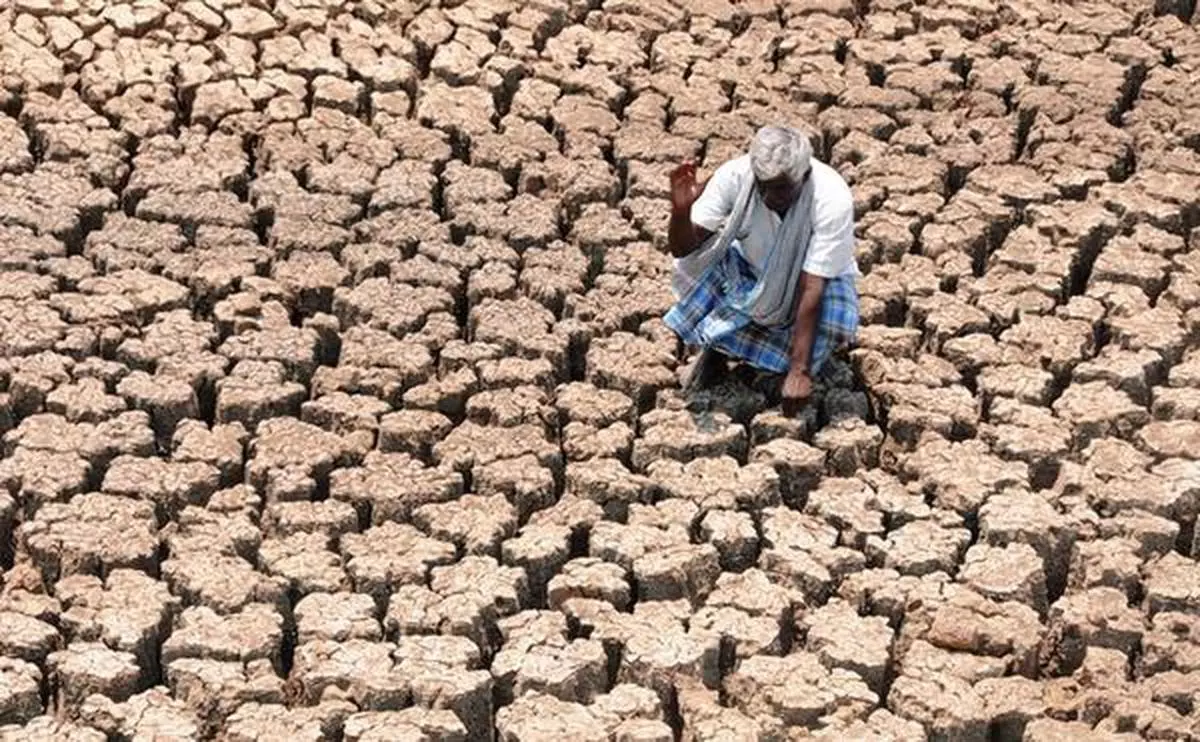
The harsh summer of 2024 has left Kerala’s agriculture sector reeling under heavy losses, a block-wise assessment of the situation carried out by the State Agriculture Department has found. In direct and indirect terms, the losses have been pegged at over ₹500 crore.

The absence of summer rainfall and the resultant crop loss hit 56,947 farmers during February, March and April. Crop loss was reported in 46,587 hectares affecting cardamom, paddy, pepper and banana the most, according to the report which was handed over to Agriculture Minister P. Prasad the other day.

Direct losses arising from crop loss were pegged at ₹260 crore, covering 23,021 hectares, and indirect losses from impacts on production, ₹250 crore across 23,569 hectares.

Among the districts, Idukki, Thrissur, Palakkad and Wayanad were the worst-hit. “Approximately 60,000 nominal farmers and farm labourers are likely to face severe financial hardship due this summer. The likely shortage of planting material could impact revival programmes,” it said.

The losses to cardamom crop accounted for 65% of the total loss. Paddy accounted for 14%, pepper 7%, banana 6%, arecanut 3%. Other crops affected by the drought-like situation included coffee, vegetables, rubber, coconut and nutmeg.

Cardamom crop in 30,536 hectares sustained loss/damage. Crop loss to paddy was reported in 6,369 hectares, pepper in 3,182 hectares and banana, 2,884 hectares, the report said. The summer heat and resultant drought-like conditions harmed crop growth, production and yield and crop health.

In Idukki alone, crop loss was reported across 33,722 hectares this summer, affecting 29,743 farmers. Farmers in all 14 districts sustained losses, with Thrissur (3,495 hectares and 6,713 farmers) and Palakkad (3,234 hectares and 4,936 farmers) in second and third spots.

KPCC president K. Sudhakaran on Wednesday demanded urgent measures to compensate farmers who were hit by losses. Any delay in this regard would trigger protests, he said.

Source - https://www.thehindu.com

30.08.2026

Serbia's Drought Halves Crop Yields, Few Farms Insured

Drought in July and August 2026 cut yields by more than half in parts of Serbia, but only 15 percent of farmland is insured. A corn policy costs about 4,500 dinars per hectare.

30.08.2026

India - Maharashtra Approves ₹23.33 Crore Aid For 17,245 Farmers Hit By Crop Damage

The Maharashtra government has sanctioned ₹23.33 crore in relief for 17,245 farmers whose crops were damaged by floods, excessive rainfall, cyclones and hailstorms. 

30.08.2026

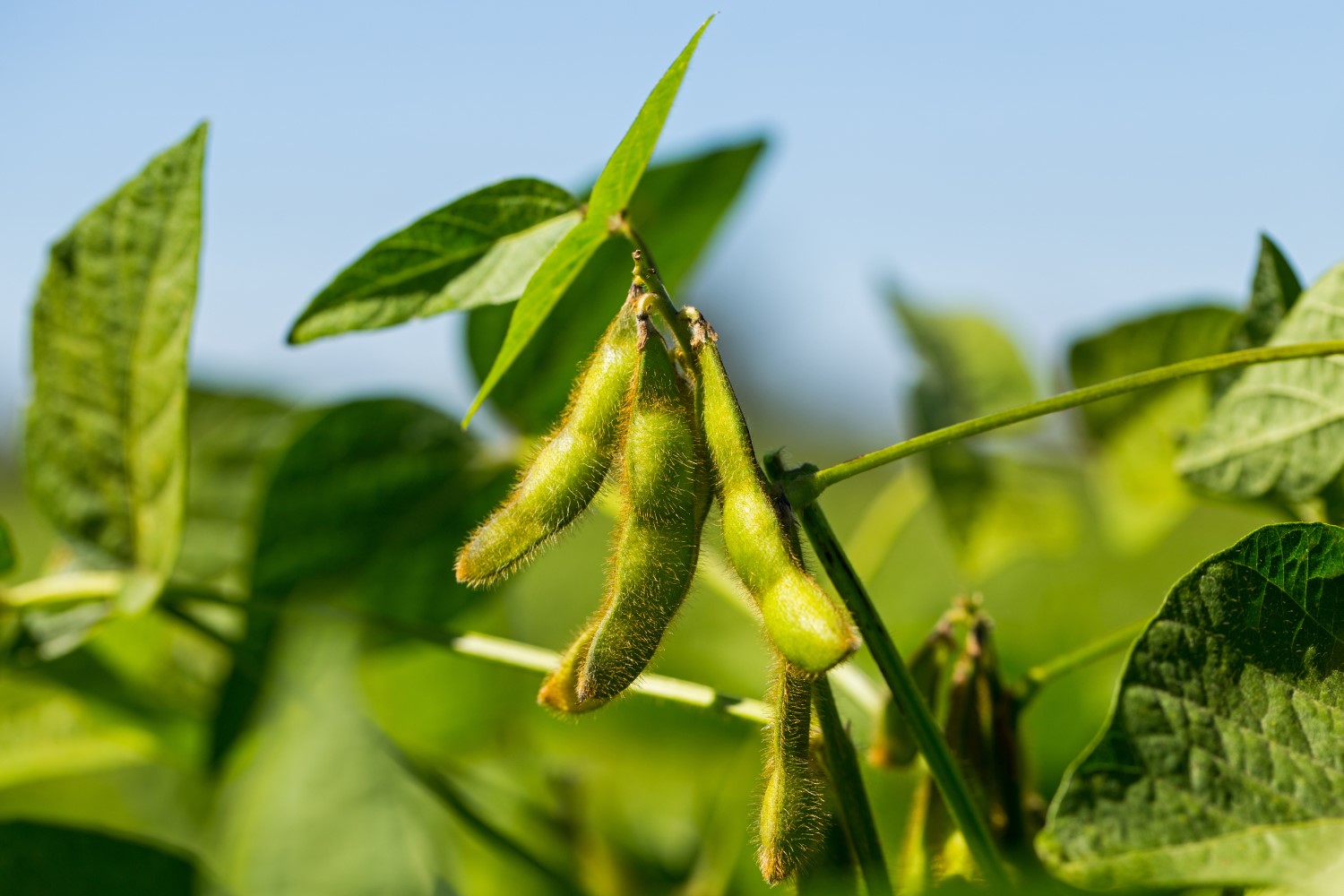
South Korea - Daedong launches soybean-specialized combine DSF85 to cut cracking, crop loss

Daedong has unveiled a new full-feed combine focused on reducing soybean cracking and crop loss during harvest.

30.08.2026

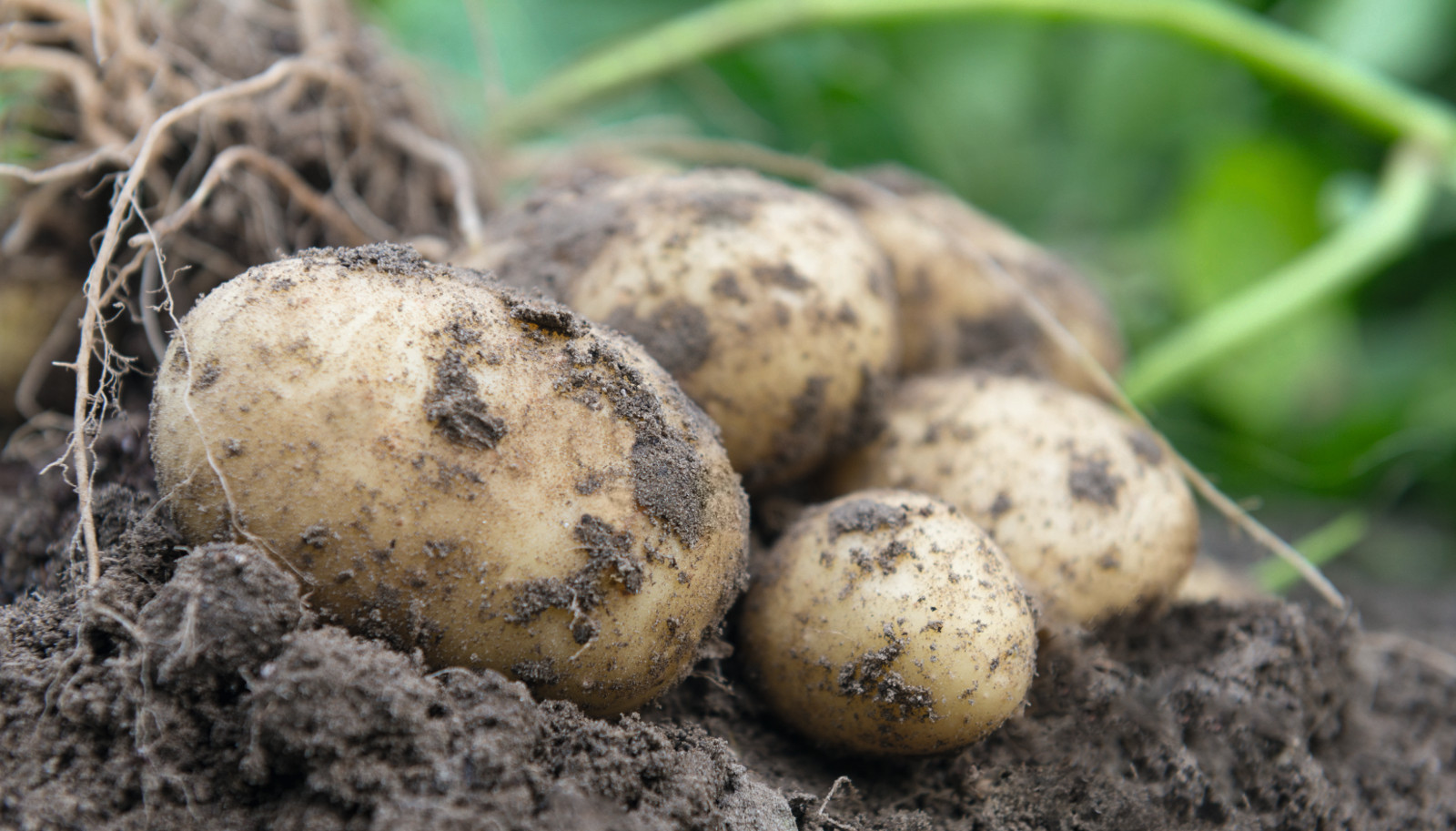
UK drought tightens its grip on potatoes, but scale of crop losses remains uncertain

England and Wales are experiencing an exceptional drought, with potato growers facing reduced tuber growth, irrigation restrictions and increasingly difficult harvesting conditions. The evidence supports serious concern—but not every alarming headline can yet be translated into a national crop-loss figure.

30.08.2026

India Overhauls Farm Insurance Scheme with AI and Satellite Tech

India is upgrading the Pradhan Mantri Fasal Bima Yojana (PMFBY) using AI, drones, and satellite mapping to accelerate insurance claim settlements. 

30.08.2026

Kenya turns to digital livestock IDs to improve animal health, traceability

The system will capture information including an animal’s origin, ownership, health status, vaccination history and movements.

27.08.2026

Crop Insurance Add-Ons Surge as U.S. Farmers Expand Subsidized Coverage Nationwide

U.S. farmers sharply expanded area add-on crop insurance in 2026 after federal subsidies rose to 80%, reshaping coverage and federal costs.

27.08.2026

China grain imports in focus as crop damage hits key producing regions

Extreme heat, heavy rain and flooding across key Chinese farming regions are putting global grain and cotton exporters on alert, as markets assess whether crop damage could increase China’s import needs.