Nearly one-sixth area of the total acreage under cotton in Punjab this year suffered losses due to excessive rains and whitefly infestation.
According to the post-harvest crop loss surveys conducted by the district authorities, Fazilka and Muktsar were worst hit as the cash crop on over 97,000 acres was damaged in these two districts.
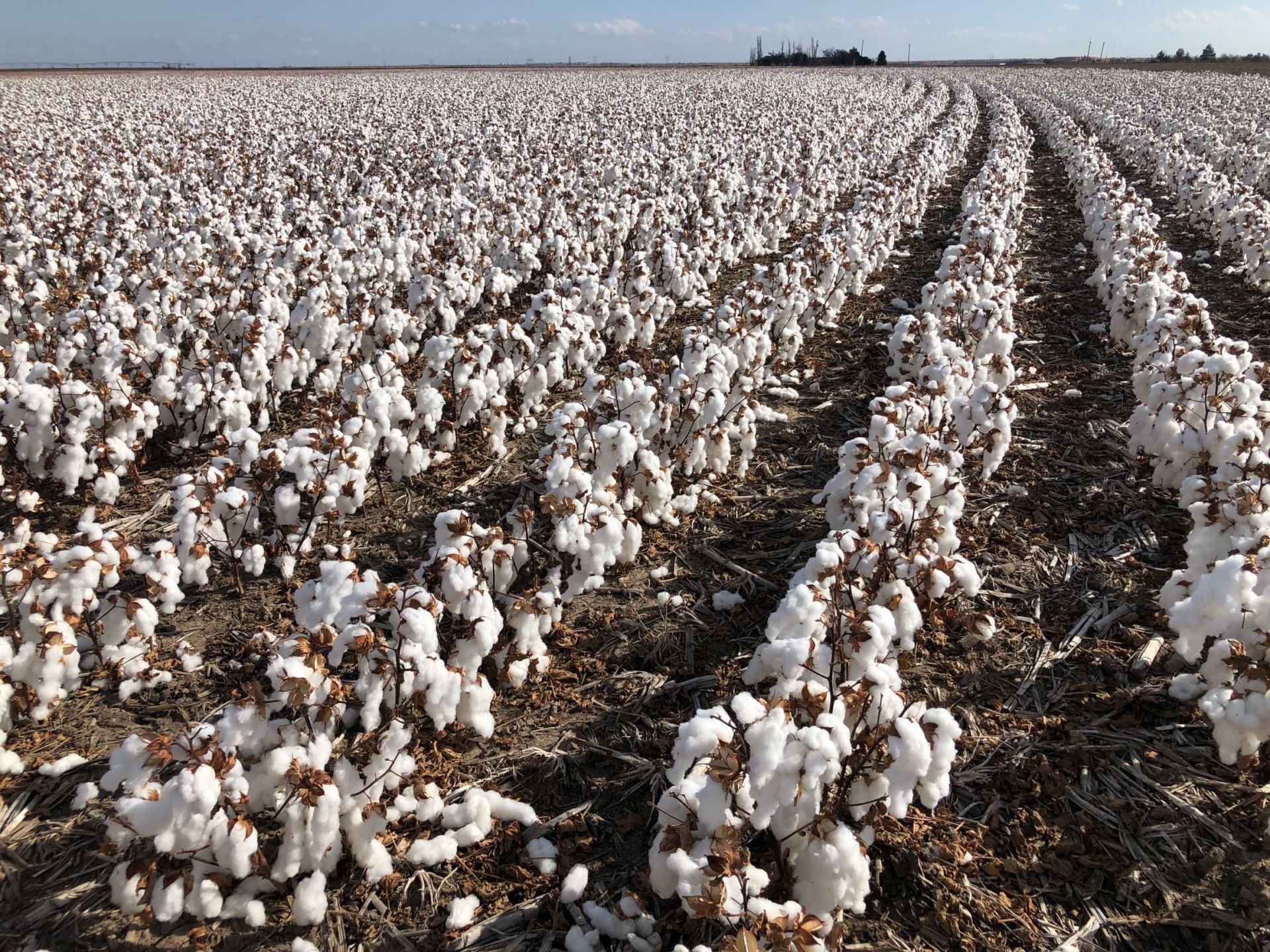
This year, cotton was sown on 2.47 lakh hectares or 6 lakh acres. After widespread pink bollworm in 2021, stakeholders were expecting a better season this year, but multiple factors dashed the hopes of farmers again.
Experts said it was observed that fields unaffected by heavy rains and pest attacks also saw a significant drop in yield. Farm experts attributed such incidents to rampant use of unapproved 4-G or Bt4 cotton seeds bought by farmers from Gujarat, and said, “it is evident from the stunted growth of plans across the cotton-growing belt and low arrival trend of raw cotton in the markets since October 1.”
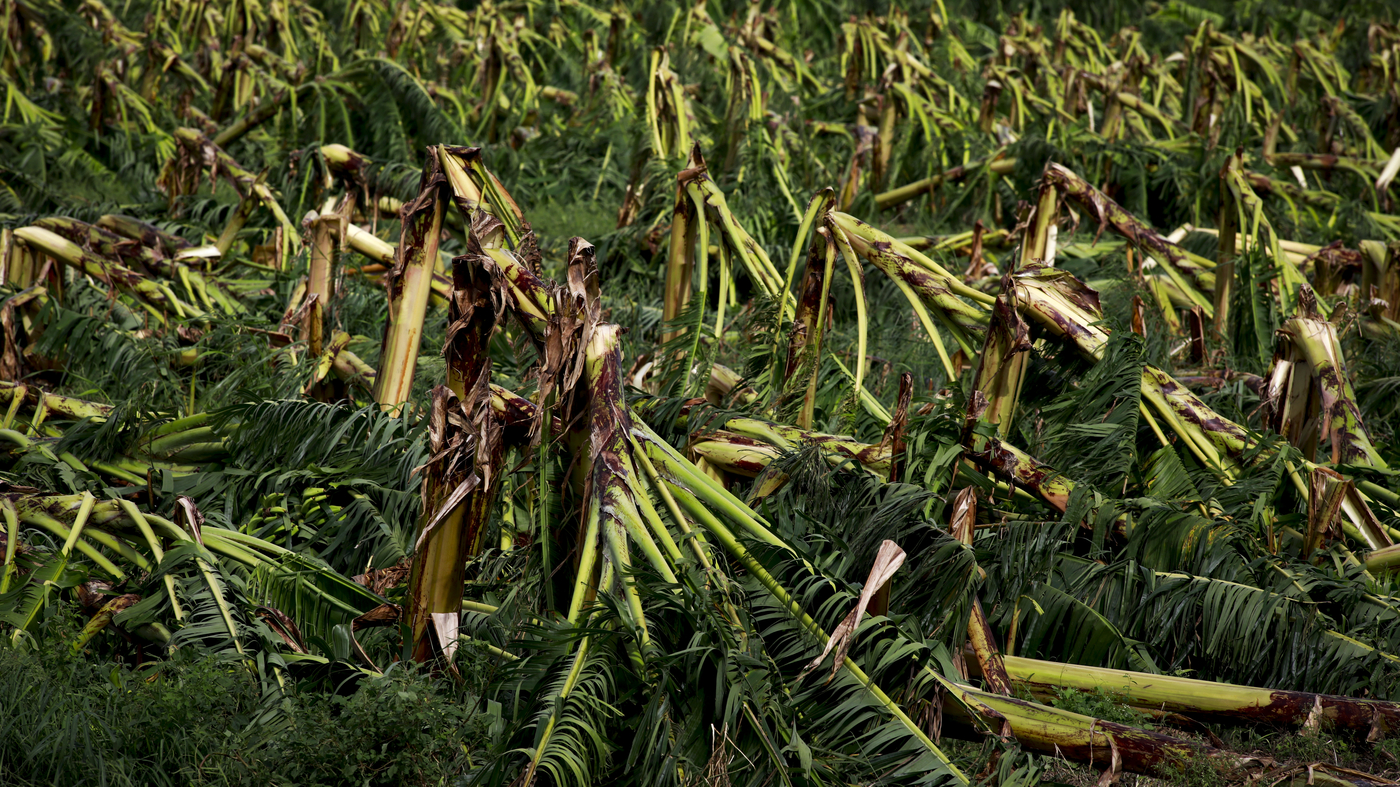
Heavy rains in the two key cotton-growing areas of Muktsar and Fazilka, where cotton, considered an economic lifeline of the semi-arid belt of Punjab, saw crops perishing on 32,000 acres.
Information gathered from the south Malwa districts said Fazilka was the worst hit, where the standing crop of ‘white gold’ was hit on more than 71,000 acres.
Sources in the agriculture department said this year cotton was sown on about 95,000 acres in Fazilka, and the majority portion was affected by flooding and pest attack.
Fazilka deputy commissioner Senu Duggal said a detailed field survey says the cotton crop was damaged completely on 18,000 acres in the district. Abohar subdivision shares a boundary with Rajasthan and is the hub of cotton cultivation in the district, and also saw crop damage.
“More than 53,000 acres was found infested with whitefly in which crop on 18,000 acres faced damage between 76-100%. Nearly 35,000 acres saw crop loss of 33-75% whereas another 182-acre area experienced a drop of 26-32% in output,” said Duggal.
Fazilka sub-divisional magistrate Nikas Khichar said a report based on estimated financial loss is being finalised for submission to the state authorities.
A survey report of Muktsar says cotton was hit on about 26,000-acre area of the district.
Data says Muktsar was the worst-hit subdivision, where 14,000 acres saw 100% damage of the natural fibre.
Muktsar deputy commissioner Vineet Kumar said about 12,000 acres in the Malout subdivision where 20% area saw a damage of 76-100%.
“About 80% of Malout experienced loss of 50-75%. Pest attack was reported in the initial stage, but timely pest management saved crop from the deadly whitefly and pink bollworm,” said the DC.
Muktsar chief agriculture officer Gurpreet Singh during the sowing phase, cotton fields were deprived of irrigation facilities after the Sirhind feeder canal was breached twice.
“Widespread attack of whitefly was unexpected, but it was controlled. But spells of heavy rainfall played havoc in Muktsar and the downstream region of the Fazilka district, where cotton fields were flooded, and crop was severely affected. Cotton plants cannot survive long in the submerged fields,” said the expert.
Stats:
Total area under cotton this season: 6 lakh acres
Crop loss: 97,000 acres
Fazilka:
Total area under cotton 95,000 acres
Total affected area 71,630 acres
Hit by rains 17,968 acres
Whitefly infestation 53,078 acres
Muktsar:
Total area under cotton 92,700 acres
Total affected area 25,927 acres
In Muktsar subdivision 14,175 acres was completely damaged
In Malout subdivision 11,752 acres saw damage between 50-100%.
Source - https://www.hindustantimes.com