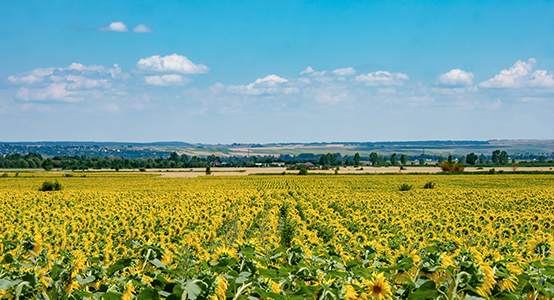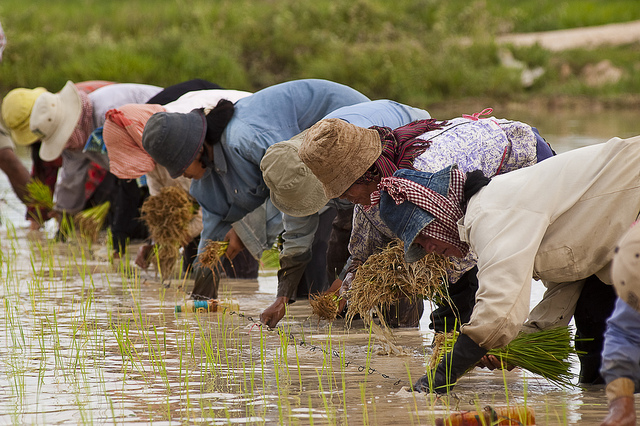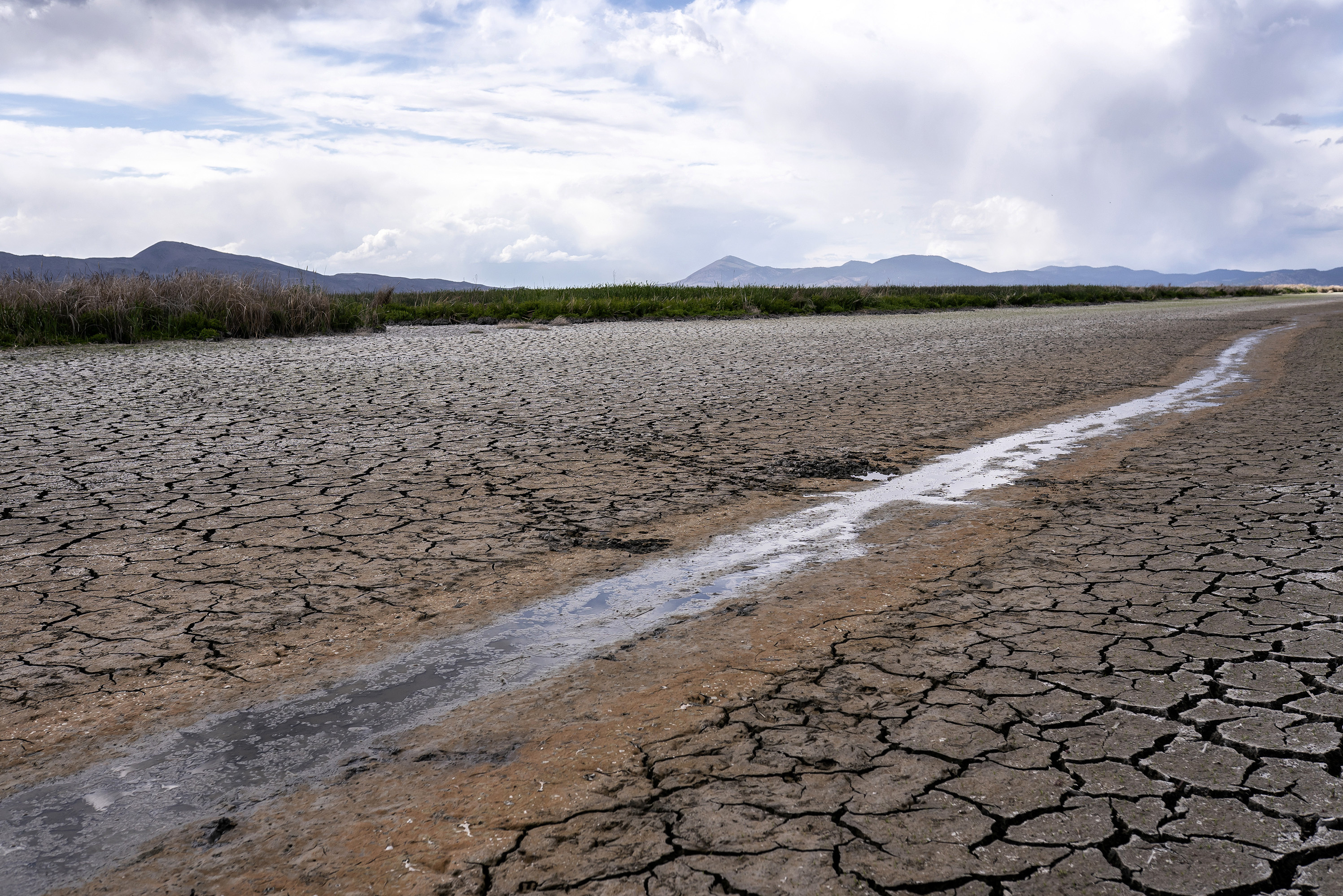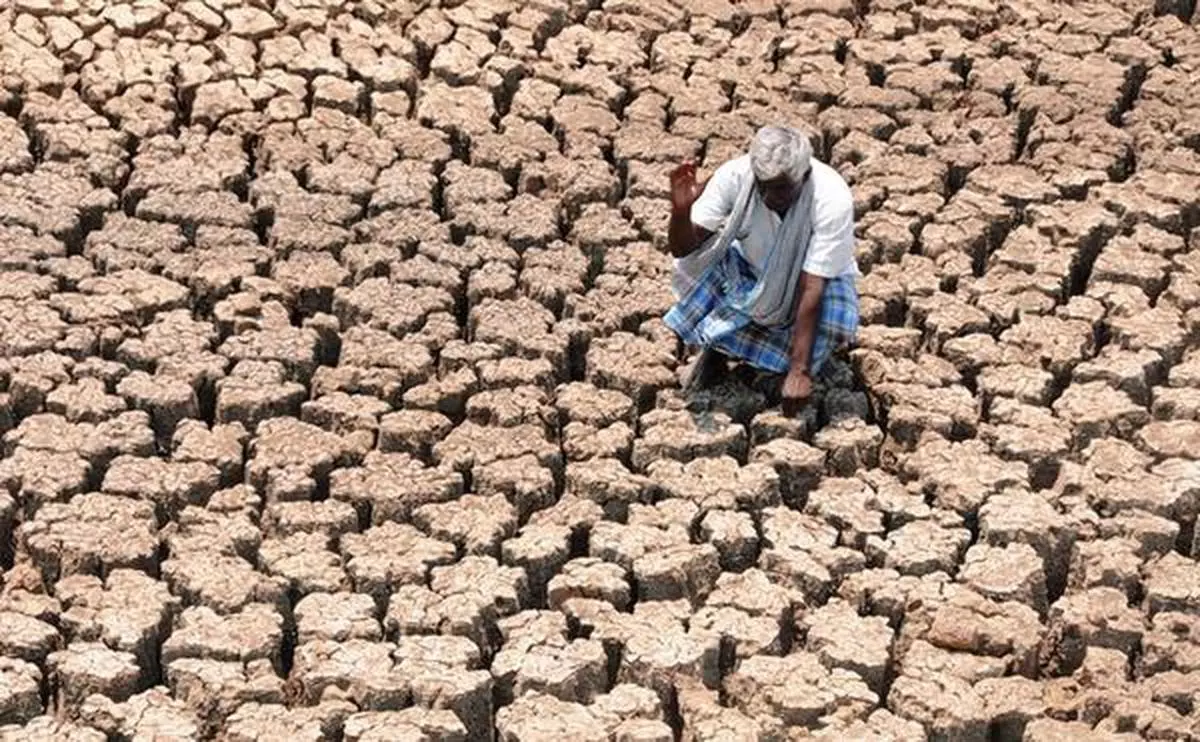
Himachal Pradesh has been experiencing significant water stress with the driest October, November, and December months in the past eight years, Dr Y.S. Parmar University of Horticulture said on Wednesday, advising farmers to switch to integrated farming systems.
Solan district, known for growing mushrooms and tomatoes, also observed a similar rainfall deficit. The most recent rainfall in the district was in September, which was also below normal.
As a result, cultivated fields are parched, and crops are under severe water stress, it said. The post-monsoon months of October and November typically receive minimal rainfall, a pattern supported by meteorological data from the Agrometeorological Observatory of the university (1971-2020).
Vegetable crops for the rabi season like cabbage, cauliflower, peas, onions, garlic, and other root crops, require adequate soil moisture during their critical growth stages. The lack of rainfall can impact the yield of these crops, with early flowering, small pod size, and reduced pea yields as potential outcomes, warned the university. It said insufficient soil moisture could also harm fruit saplings by stunting root development and making plants more susceptible to diseases.
The university advised farmers to build resilience against water stress with farmers moving away from mono-cropping and adopting multi-enterprise farming, integrating fruit cultivation and livestock. This will help mitigate the impacts of water scarcity often experienced during this time of year, university scientists said.
For agroforestry models, the farmers should be encouraged to implement fruit-based agroforestry models to enhance their resilience to unpredictable weather conditions. Also, they should go for drought-tolerant crop varieties. For wheat cultivation, farmers should opt for drought-resistant, late-sown varieties like HPW-155 and HPW-368. Those who have already sown wheat should provide lifesaving irrigation at the crown root initiation stage, it said.
In regions facing dry conditions, farmers are advised to delay transplanting onions until the last week of December.
Farmers who have already planted crops such as onion, garlic, rapeseed, mustard, toria, and lentils should provide irrigation at critical growth stages.
To conserve water, the university said, the farmers should consider planting vegetable crops with lower water requirements, such as radish, turnip, spinach, and beetroot. These crops can also be used as intercrops in fruit orchards or agroforestry systems. Crop diversification and the use of agronomic practices, such as mulching with dry grass residue, are highly recommended to manage water stress. Grass mulch should be applied at a thickness of five-10 cm to conserve moisture.
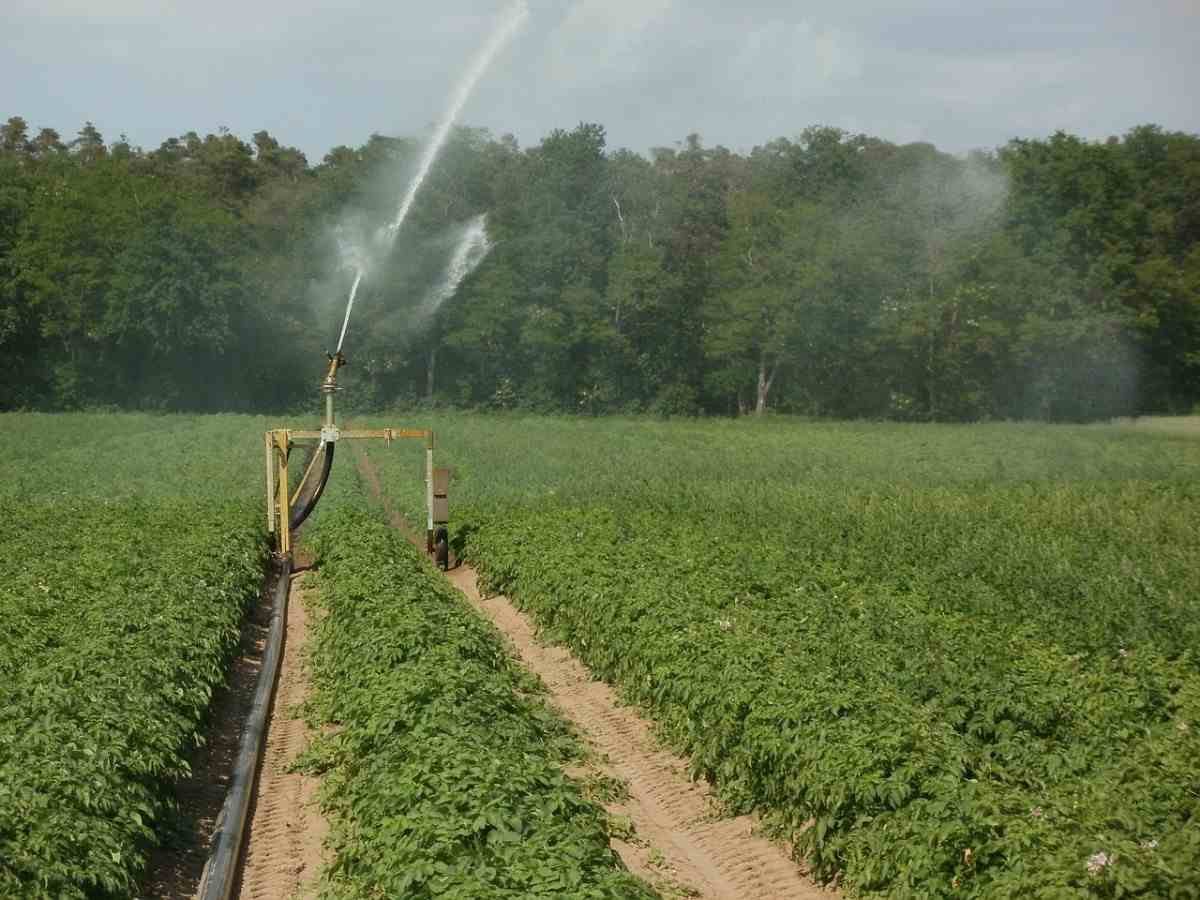
In large fields where mulching or irrigation is not feasible, applying anti-transpirants is advised to reduce water loss through transpiration and protect plant health. To ensure timely sowing and growth of rabi crops, farmers should consider enhancing farm irrigation facilities.
Installing rainwater harvesting structures, such as farm ponds, can provide life-saving irrigation during dry spells and help manage moisture stress at critical crop stages.
Efficient irrigation scheduling is crucial to enhance water productivity. Farmers are also encouraged to visit fields of farmers practising natural farming or the university’s research station at Mashobra, Krishi Vigyan Kendra in Rohru or any nearby university station to observe natural farming demonstrations. Farmers practising natural farming should apply Jeevamrit (10-20 per cent as a foliar spray and solid drenching at 15-day intervals), freshen the Whaapsa line, and use mulch to protect crops.
Seeing burgeoning demand and high profitability, the cultivation of exotic fruits and vegetables is expanding at a fast pace in Himachal Pradesh, the apple bowl Himalayan state where farming communities are some of the most vulnerable to the changing climate.
Source - https://www.socialnews.xyz