Excessive rains in Karnataka's key coffee-growing regions have caused significant damage to the 2024-25 coffee crop, leading to berry droppings and fungal diseases. Growers estimate crop losses could reach up to 60%. The Karnataka Growers Federation is seeking government aid to mitigate the financial impact. Other plantation crops like pepper are also affected.
Highlights
Excessive Rains Affecting Coffee Crop: Incessant rains in key coffee-growing regions of Karnataka, such as Kodagu, Chikkamagaluru, and Hassan, are causing significant issues for the 2024-25 coffee crop. The rains are leading to berry droppings and fungal diseases, notably black root rot, which are expected to reduce coffee output substantially.
Rainfall Statistics: Chikkamagaluru received 121% above-normal rainfall in July, with 1,101 mm against a normal of 497.7 mm. Kodagu saw 54% excess rainfall, receiving 1,179.5 mm compared to the normal 767.3 mm. Hassan experienced a 38% surplus in rainfall during the same period.
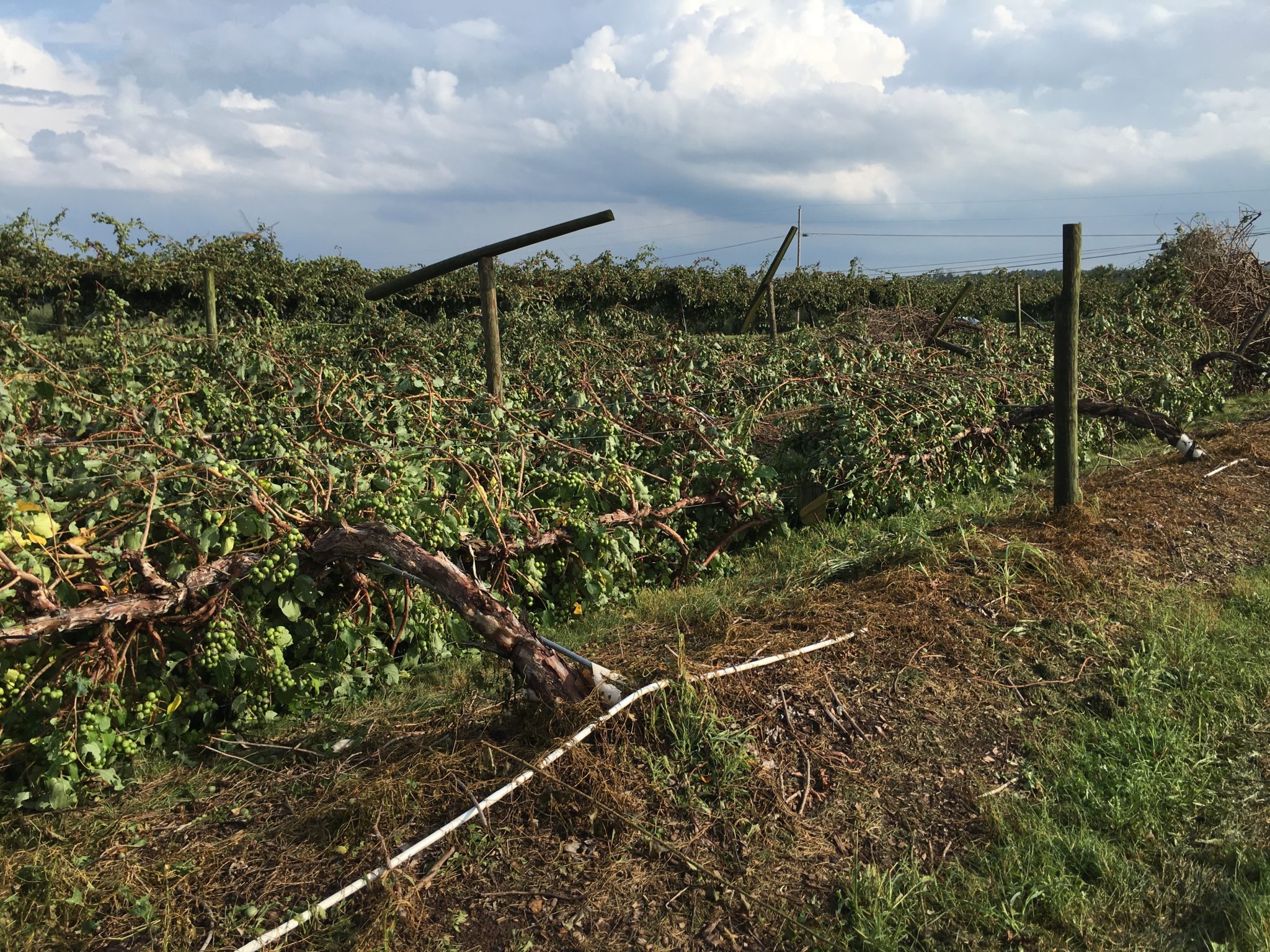
Crop Loss Estimates: HT Mohan Kumar, President of Karnataka Growers Federation (KGF), indicated that crop loss could reach up to 60% due to the excessive rainfall. In some areas, losses might be as high as 80%, while others might see around 40% loss. The rains and heavy winds have also caused collateral damage by uprooting shade trees.
Requests for Government Aid: The KGF has approached the Coffee Board and the State government for intervention and relief. They have requested the Centre to provide relief under the NDRF and to increase the compensation to ₹50,000 per hectare from the current ₹18,000, and to expand the relief slab to 10 hectares per grower from the present 2 hectares.
Impact on Small Growers: Small growers, who make up about 98% of the coffee growers in the country, are particularly affected. The Karnataka Growers Federation represents these small and medium growers, emphasizing the need for increased support due to the high maintenance costs of plantation crops.
Additional Crop Damages: A Nanda Belliappa, Chairman of Codagu Planters Association, reported that plantations in South Kodagu, near Kerala, are heavily impacted. Berry dropping and fungal diseases like root rot could lead to crop losses of up to 40% in some areas. Previous issues such as white stem borer during April-May, caused by high temperatures, also affected crop setting.
Challenges for Other Plantation Crops: BS Jayarama, a grower from Mudigere, mentioned that incessant rains have also harmed other plantation crops like pepper. Continuous rains and heavy winds have prevented growers from performing essential cultural operations like applying manure and Bordeaux mixture, further impacting overall crop output.
Karnataka's Coffee Production: Karnataka produces over 70% of India's coffee, with the country producing more than 3.5 lakh tonnes annually. The combined effects of erratic weather conditions, including excessive rains and high temperatures, are expected to significantly impact the production of both Arabica and Robusta coffee varieties in the upcoming season.
The relentless rains in Karnataka's coffee-growing regions have not only jeopardized the upcoming coffee harvest but also highlighted the vulnerability of agricultural practices to extreme weather. The predicted 60% crop loss could have severe economic repercussions for the predominantly small-scale growers. Immediate government intervention and increased financial aid are crucial to support the affected farmers. This situation underscores the need for sustainable farming practices and better climate resilience strategies to protect future crops. The coffee industry's stability in India hinges on addressing these challenges promptly and effectively.
Source - https://in.investing.com