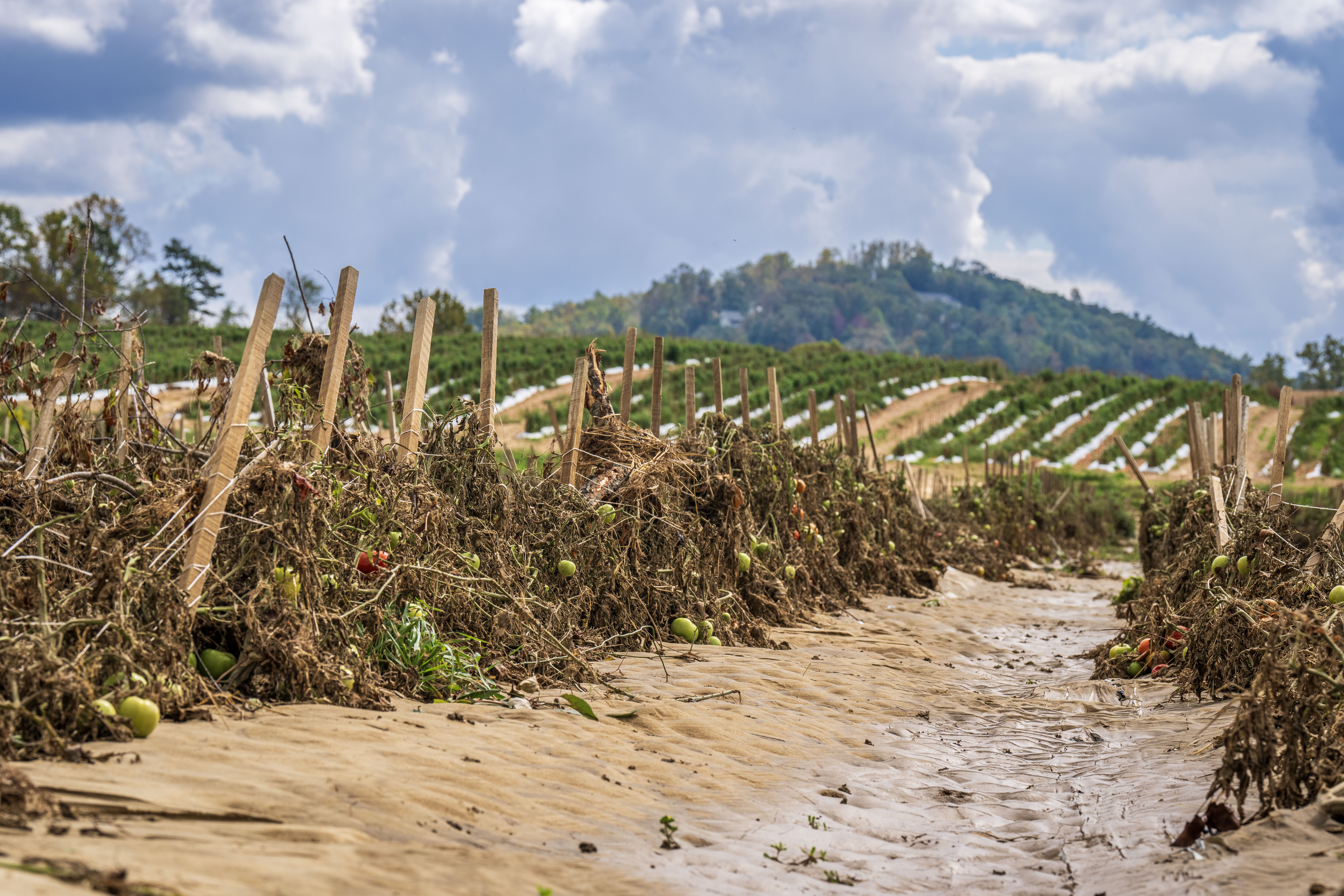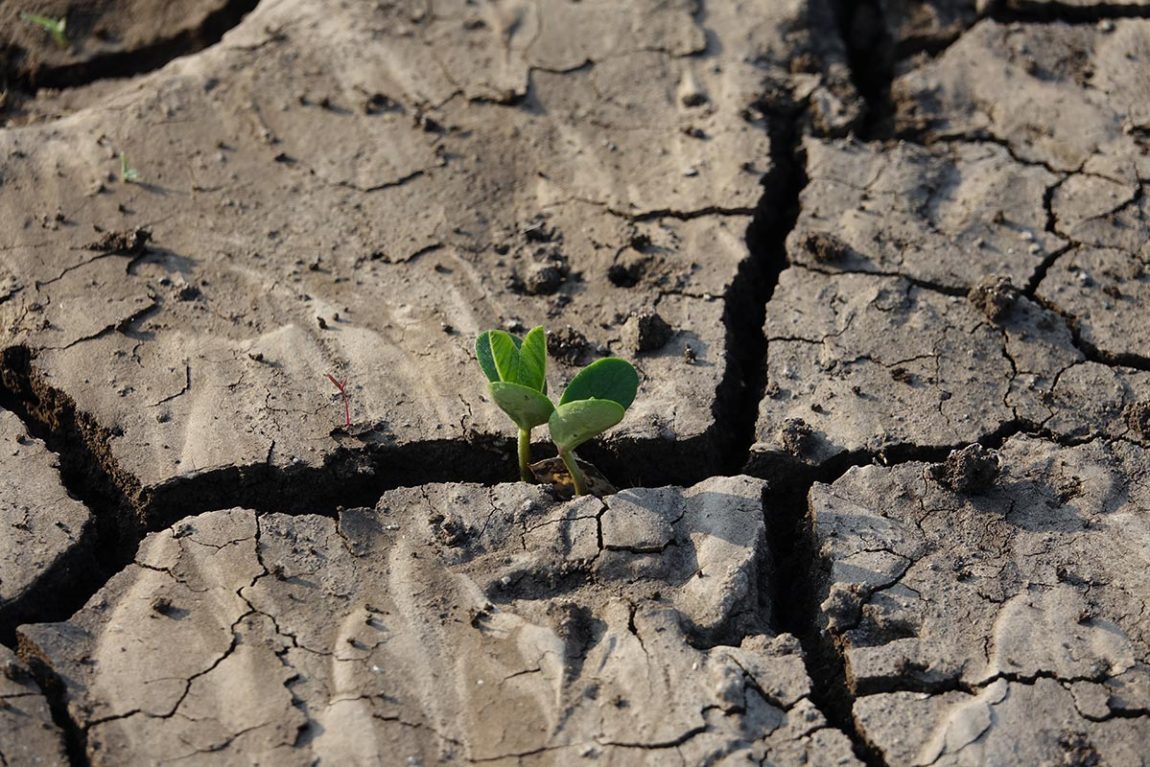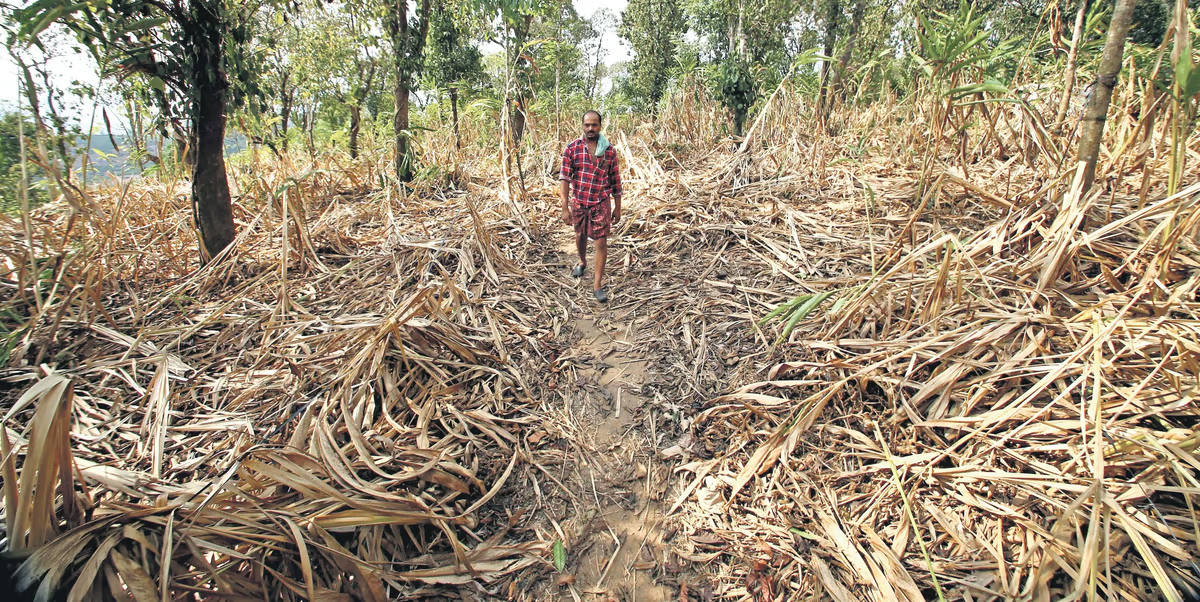
The report compiled by the agriculture department based on a field survey by senior officials at the block level, draws a gruesome picture of the severe drought that has devastated the farm sector in Kerala. As per the report, the drought has destroyed crops in 46,587 hectares of land, causing a loss of Rs 260 crore and devastating the lives of 56,947 farmers. The drought may cause an additional loss of Rs 250 crore in the secondary sector including dairy, fisheries, poultry and agro-forestry.
The report says the situation in Idukki district is particularly alarming as cardamom farmers have been devastated by the wilting of plants.
The cardamom plants in 30,000 hectares have wilted due to the drought which is the worst in 40 years. Agricultural crops in 33,722 hectares of farmlands in Idukki district have been destroyed devastating the lives of 29,743 farmers and causing a loss of Rs 175. 54 crore. The report says Idukki may witness a 60% decline in cardamom output this year due to the wilting of plants. The farmers will need assistance to replant the crop. It will take three years for the new cardamom plants to give yield. The districts of Idukki, Thrissur, Palakkad, and Wayanad have suffered the maximum damage.
Agriculture Minister P Prasad will visit Idukki district on May 16 and Wayanad district on May 21 to assess the situation. A team of experts will accompany the minister. The agriculture department will form a state-level expert panel which will prepare a detailed report on the drought situation. It will be sent to the Union Ministry of Agriculture. The state will seek a special drought package from the Centre to support the farmers who have been devastated by drought. The panel found that the prolonged dry spell over the past three months, coupled with the heatwave and soil warming led to crop loss.
As there was no rainfall from February, the atmospheric temperature rose by 3 degrees Celsius. and the water resources dried up. The drought has caused degradation of soil which led to a decrease in productivity and affected soil organisms that protect plants from diseases. The prolonged drought has led to depletion of groundwater level. The impact of the drought will lead to a decline in crop production this year.
The intense heatwave reduced the productivity of crops. There has been a drop of 500 to 1,000 kg per hectare of paddy. The state recorded a 5% rise in atmospheric temperature. The soil temperature has risen by 5 to 7 degrees Celsius. As per the report from Pambadum Shola National Park, the daylight hours increased from 2 to 4 hours.
The small and marginal farmers of Idukki district had cultivated cardamom in 50,000 hectares in 2022-23. However, the severe drought and lack of water resources for irrigation led to wilting of around 30% of cardamom plants. There has been a 60% decrease in cardamom output.
The cardamom production in the district may record a steep decline in the coming months as a huge number of plants have wilted and the farmers need to replant them.
Around 80% of the cardamom plants in Nedumkandam, Udumbanchola and Bison Valley panchayats have wilted. Besides, the drought has affected coffee, pepper, and nutmeg in the area. Agricultural crops in 33,673.82 hectares of farmlands in Idukki district have been destroyed and the farmers have suffered a loss of Rs 17,554.35 lakh.
In Wayanad district, pepper plants in 419.5 hectares of land have wilted. Coffee plants in 208.3 hectares and plantains in 175.42 hectares have been affected. The drought has affected crops in 960.84 hectares causing a loss of Rs 488.34 lakh.
In Palakkad district, crops including plantain, pepper, coconut, arecanut, cocoa, nutmeg, rubber, paddy and vegetables have been affected. The farmers were not able to cultivate vegetables in 100 hectares of land due to lack of water for irrigation.
Crops in 3,186.02 hectares of farmlands in Palakkad district have been destroyed causing a loss of Rs 3,246.48 lakh.
Source - https://www.newindianexpress.com