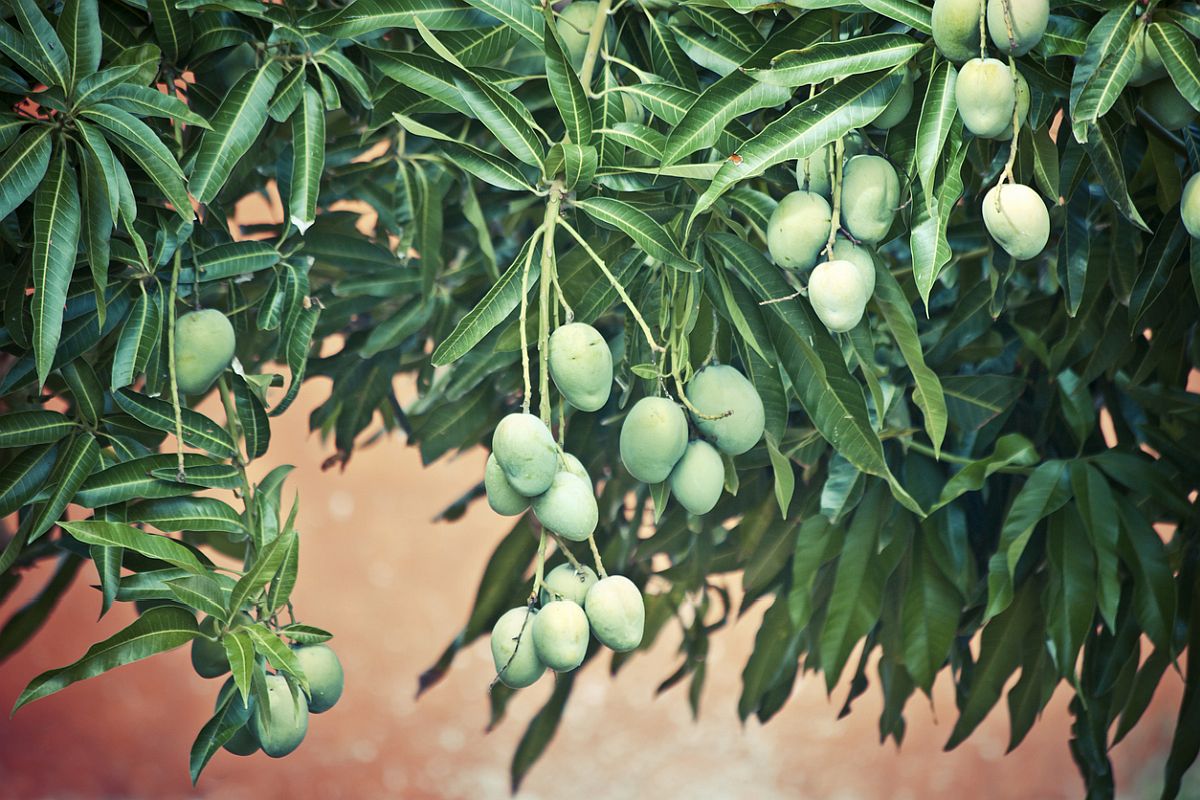
As gruesome as Indian summers can get, there is always sweet comfort in knowing we have inched another blistering step towards the mighty mango season. Truly, but a few things rejoice in the power to bring us to our knees as the sight of the king of fruits adorned opulently in fruit stalls.
India is also the biggest exporter of the fruit to the rest of the world, especially of the Alphonso variety, which is regarded as the "king of mangoes". However, despite an initial bumper harvest currently gracing shops nationwide, we could be looking at severely reduced yields and subsequent spiked mango prices in the coming months.
As with many other crops, farmers blame unseasonal weather during 2022's final months and the first few months of 2023 for the mango tragedy. Many sources have noted produce shortages of half to almost 75% of their total yield.
"I have been in this business for almost 42 years, but have not seen such low productivity in my area," laments Dr Vivek Bhide, who owns around 1,600 mango trees along Maharashtra's Konkan coastline.
Vivek shares an experience universal to many other mango farmers from different parts of the state. Climate change-driven uncharacteristically high temperatures and rainfall during mango flowering months severely affected the crop's fruiting process, leading to miserable final yields.
Most mango species begin flowering around October-November, which usually trickle into markets by February. The second and third flowering occur around November-December and December-January, respectively.
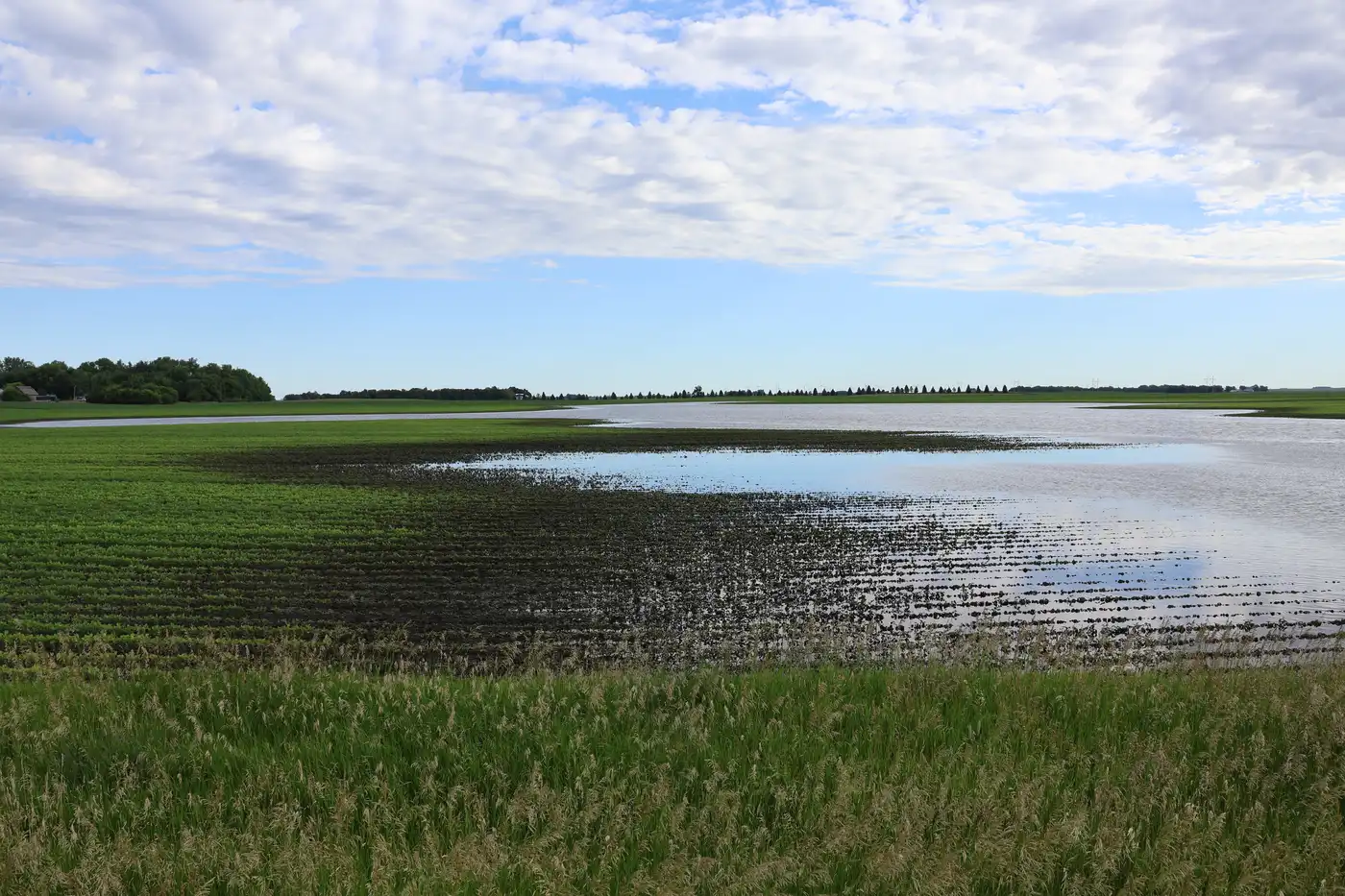
Winter's chill set in awfully late in many parts of Maharashtra last year, with most November and December days being bizarrely warm. In addition, a significantly delayed monsoon retreat over the state also meant the plant was continuously disturbed by rains in the flowering and fruiting stages.
These weather woes aren't limited to Maharashtra either. Many Uttar Pradesh farmers are witnessing 25-35% mango crop damage after unseasonal rain and hail storms ravaged the state. Untimely showers also lead to the proliferation of many fungal diseases and infections, such as anthracnose infections, blossom blight and powdery mildew. These factors could put a serious dent in the amount of Dussehri, Chausa, Langra and Lakhnauva varieties produced this year.
Kesar, which is cultivated in large abundance in Gujarat, might also suffer from devastating rainfall and hail in the state. Some sources note that drastic variations in day and night temperatures, in addition to unprecedented cold waves, also damaged many mango flowers.
Another region renowned for growing and supplying large quantities of Alphonso mango is Karnataka's Dharwad district. Excessive rainfall left black spots in last year's yield, significantly reducing the sale of the fruit. And things aren't looking too well this year, either. Usually, by March, mango trees in the state appear bountifully laden with the fruit. This year, however, there was barely any sign of even flowering by mid-March.
In Himachal's Kangra district, elongated periods of unseasonal rainfall in March have blackened flowers, which will inadvertently slash final fruit yields. The cold weather has also attracted Mango Hoppers, an insect that wreaks havoc on fruiting mangoes.
Most farmers who used growth supplements on the plants fared somewhat better. However, for many, mango cultivation is no longer sustainable. Over the past few years, subpar yields have forced many farmers to switch to other, more reliable crops to ensure they can meet their daily needs.
Mango prices are almost guaranteed to remain higher than usual this year, yanking the already expensive fruit further out of reach for many Indians. But in spite of the initial bump, some cultivators still hope the production levels could pick back up in the following flowering stages.
Source - https://weather.com