With moderate to widespread rainfall over central, eastern and southern parts of India from March 13 to 18 under the influence of an active western disturbance and associated induced cyclonic circulation, meteorologists on Saturday predicted onset of pre-monsoon activities that may lead to crop damage.
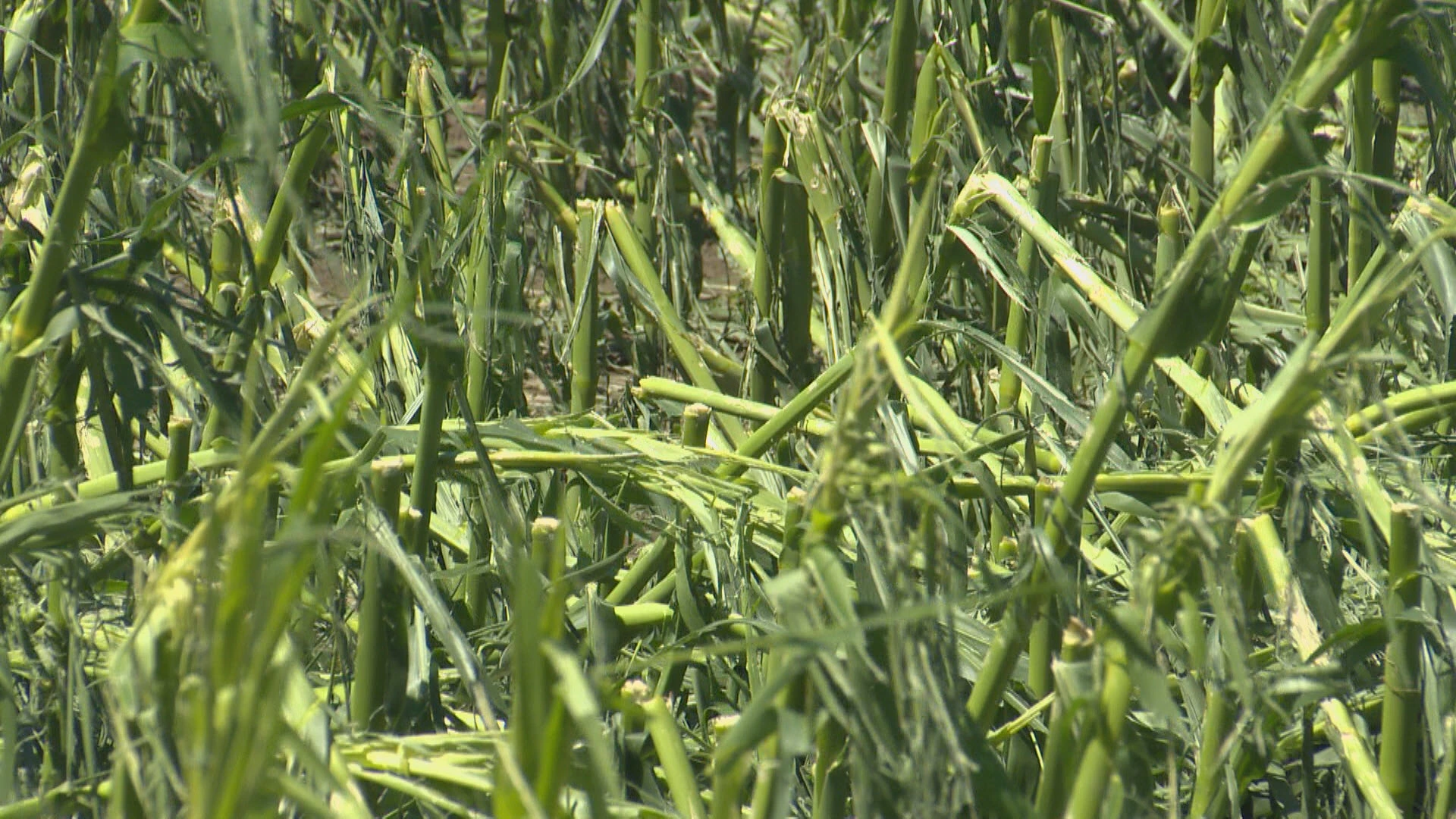
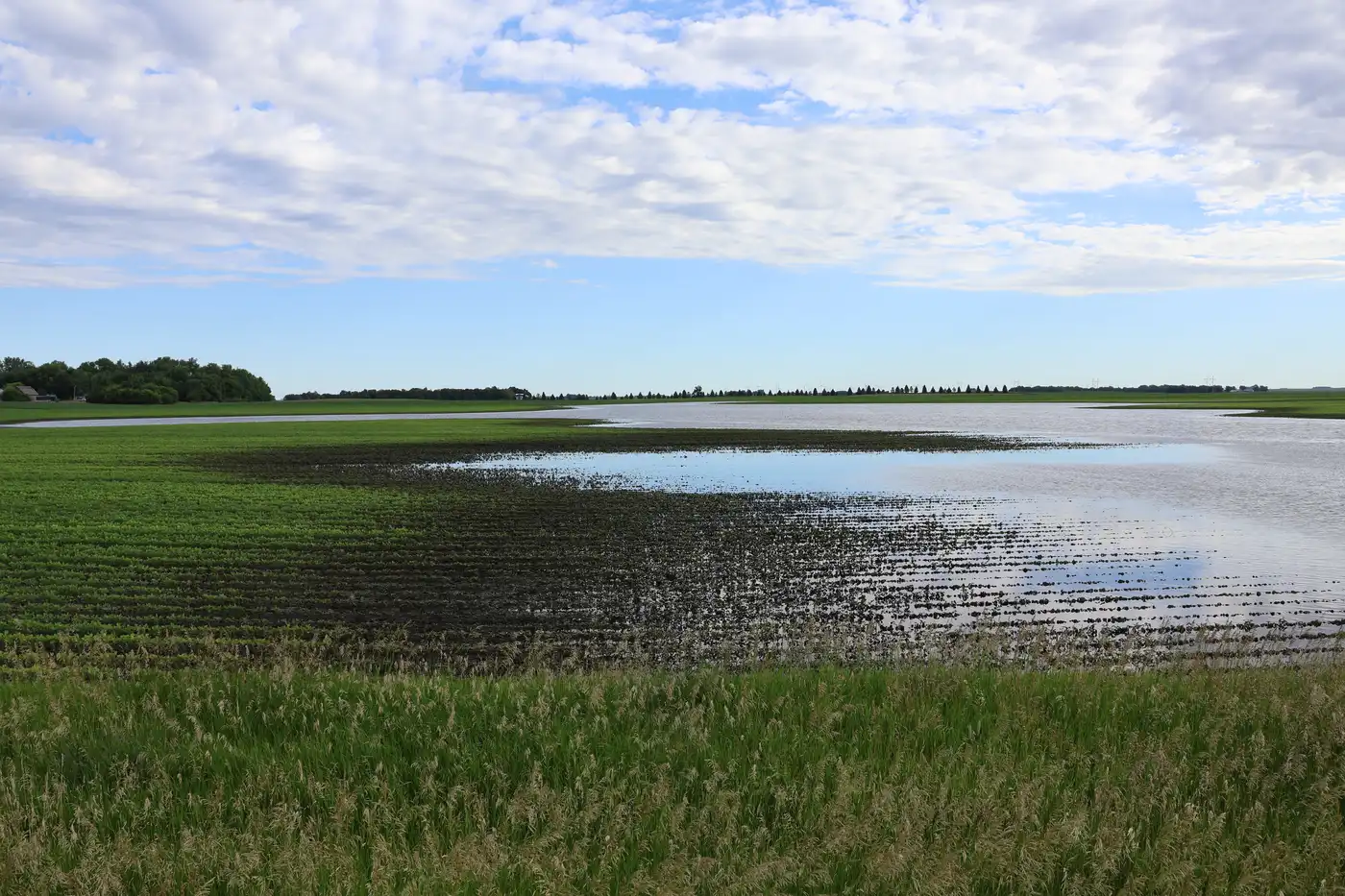
This initial spell of unseasonal rain and thundershowers has already led to crop damage in substantial parts of Rajasthan, Madhya Pradesh and Maharashtra between March 6 and 8.
Strong winds and hailstorm flattened the crop, making the loss beyond recovery.
Now, the country is gearing up for another prolonged spell of pre-monsoon rain and thundershowers, along with thunderstorms, hailstorms, and lightning strikes.
With this, the threat of crop damage is looming large over the standing crop across several parts of India, they said.
The upcoming spell will be a result of interaction among multiple weather systems. As per the climate models, twin cyclonic circulations are likely to form over east Madhya Pradesh, Telangana and adjoining north Andhra Pradesh.
A trough is likely to form between these two systems.
Both the systems would become more marked due to moisture feed from Arabian Sea as well as Bay of Bengal on the other side. Besides, an active western disturbance is likely to travel through Western Himalayas during the same time, says an expert.
All these systems together will lead to widespread weather activity over central, eastern, and southern parts of the country between March 13 and 18.
While northern plains would mostly escape the hazardous activity, South Madhya Pradesh, Vidarbha and Marathwada, Telangana, Andhra Pradesh and north Karnataka will witness the fury of lightning strikes and thunderstorms.
Hailstorm is also likely over Madhya Pradesh and Maharashtra on March 15 and 16, along with high velocity winds.
India has already been witnessing above average temperatures this winter season, with December and February being the hottest since 1901.
Several research and studies have been warning of the increasing heat stress due to global warming. Many changes in the climate system become larger in direct relation to increasing global warming. This includes increases in the frequency and intensity of hot extremes, marine heatwaves, heavy precipitation, and, in some regions, agricultural and ecological droughts; an increase in the proportion of intense tropical cyclones; and reductions in Arctic Sea ice, snow cover and permafrost.
According to meteorologists, the rising temperatures lead to an increase in convective activities, thus inviting pre-monsoon showers early in the season.
As per the report, 'Assessment of Climate Change over the Indian Region', the pre-monsoon season heatwave frequency, duration, intensity and aerial coverage over India are projected to substantially increase during the 21st century.
Pre-monsoon temperatures displayed the highest warming trend followed by post-monsoon and monsoon seasons. The significant increasing trend in specific humidity assessed during the pre-monsoon season is consistent with the largest surface warming trend.
Past studies had also reported a rise in the moisture content of the atmosphere associated with warming over the Indian region. This increased water vapour under conditions of regional warming may lead to significant positive feedback on human-induced climate change, as water vapour is the most important contributor to the natural greenhouse effect.
"These weather activities have started a bit early in the season. Usually, pre-monsoon activities commence during the second half of March. Also, rainfall activities during this season are confined to early morning or later afternoons, but such prolonged spells are rare," said Mahesh Palawat, Vice President, Meteorology and Climate Change, Skymet Weather.
"This season the abnormal temperatures have triggered multiple weather systems across several parts of the country. There is already a trough which is running through central parts. It will get more marked with a western disturbance which would start affecting the region by March 12. This is a clear example of what kind of climate impacts can be expected with global warming.
"As the global mean temperatures continue to rise, we would see more of such weather activities at frequent intervals on account of increasing heat stress."
As per another recent study, the important rain-bearing systems during pre-monsoon season are mesoscale convective systems, thunderstorms and tropical cyclones. An increase in the intensity and frequency of extreme rainfall events is mainly influenced by global climate change over Asia.
Growth of anthropogenic greenhouse gases in the atmosphere, particularly doubling CO2, is related to the rise in global temperature estimated at an average of 1.5 degrees Celsius. An increase in the greenhouse gases in pre-monsoon season may deal with excess heat and humidity with uncomfortable conditions throughout the day and night.
"Climate change and global warming are known to have significant impacts on the frequency, duration, and intensity of extreme weather events, including heavy rainfall, thunderstorms, and heatwaves. The warmer temperatures resulting from global warming can cause more evaporation, leading to more moisture in the air and heavier rainfall events," said Anjal Prakash, Research Director, Bharti Institute of Public Policy, Indian School of Business and IPCC Author.
Furthermore, he said, climate change can contribute to the formation of localised weather systems, such as thunderstorms and hailstorms, through the increased energy and moisture in the atmosphere.
"These weather systems can cause significant damage to crops, resulting in economic losses for farmers and food shortages for communities. It is important to note that while individual weather events cannot be directly attributed to climate change, the overall pattern of more frequent and severe extreme weather events is consistent with what scientists expect to see as the planet warms.
"Therefore, it is essential to take actions to mitigate the impacts of climate change and reduce our carbon footprint to prevent further global warming and its associated consequences. This includes implementing sustainable practices in agriculture, reducing greenhouse gas emissions, and investing in renewable energy sources," added Prakash.
Source - https://www.business-standard.com