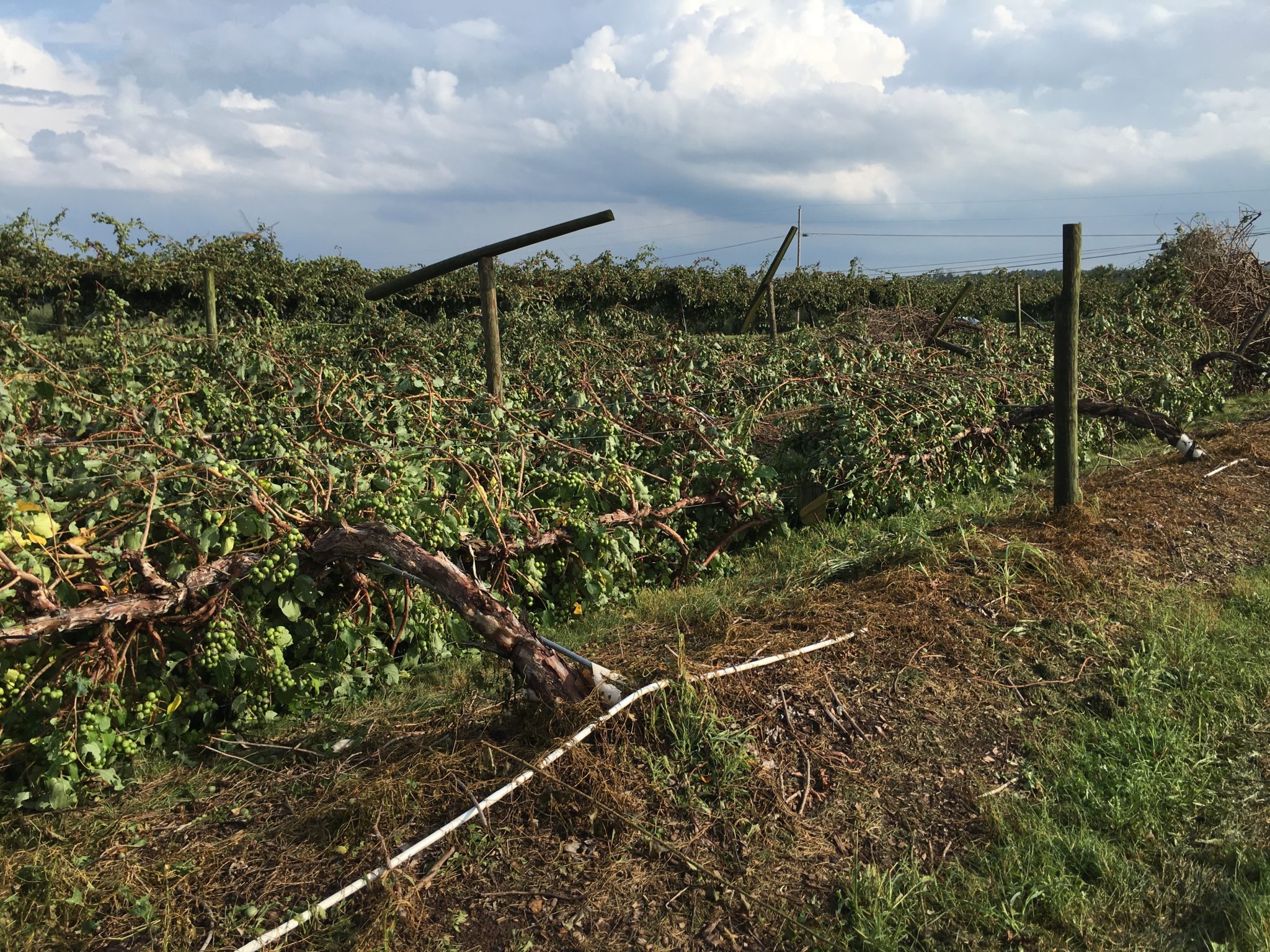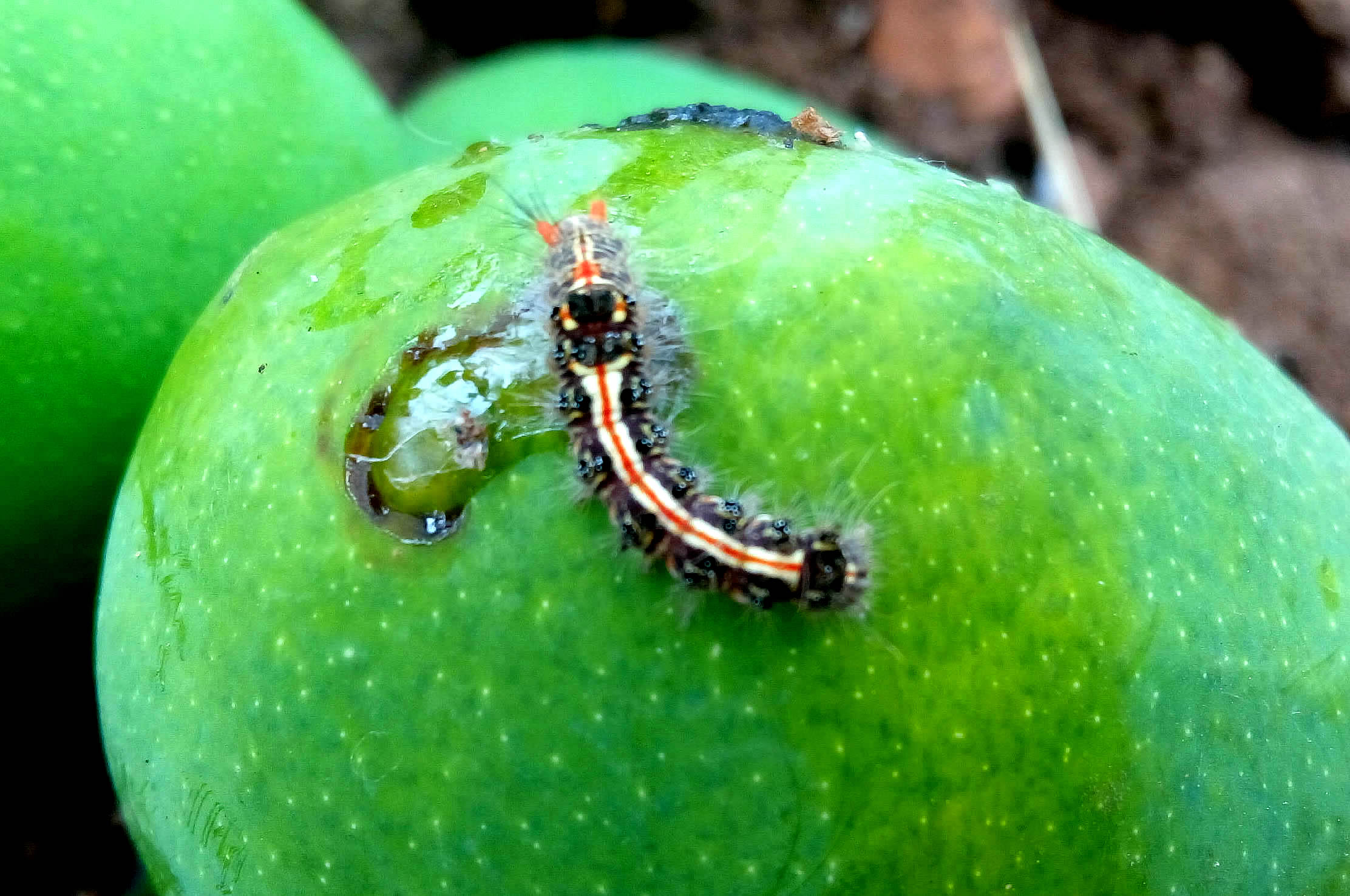
The hub of mango cultivation in the state, Muthalamada finds itself in the grip of a major crisis. Based on ground reports, the region, where seasonal business turnover from mango used to exceed Rs 500 crore, is witnessing an alarming 80% decrease in production compared to previous years.
Farmers and exporters say this is the first time in the last 40 years that Muthalamada is facing such a dire scenario, which has been attributed to climate change, insect infestation, and excessive application of pesticides. Most of the varieties of mango cultivated in Muthalamada, including alphonso, banganapalli, sindhooram, totapuri, kilimooku or kilichundan, kalapadi, mallika, nadusalai, neelam, rumani, malgoa, and gudadath, have been experiencing reduced yields.
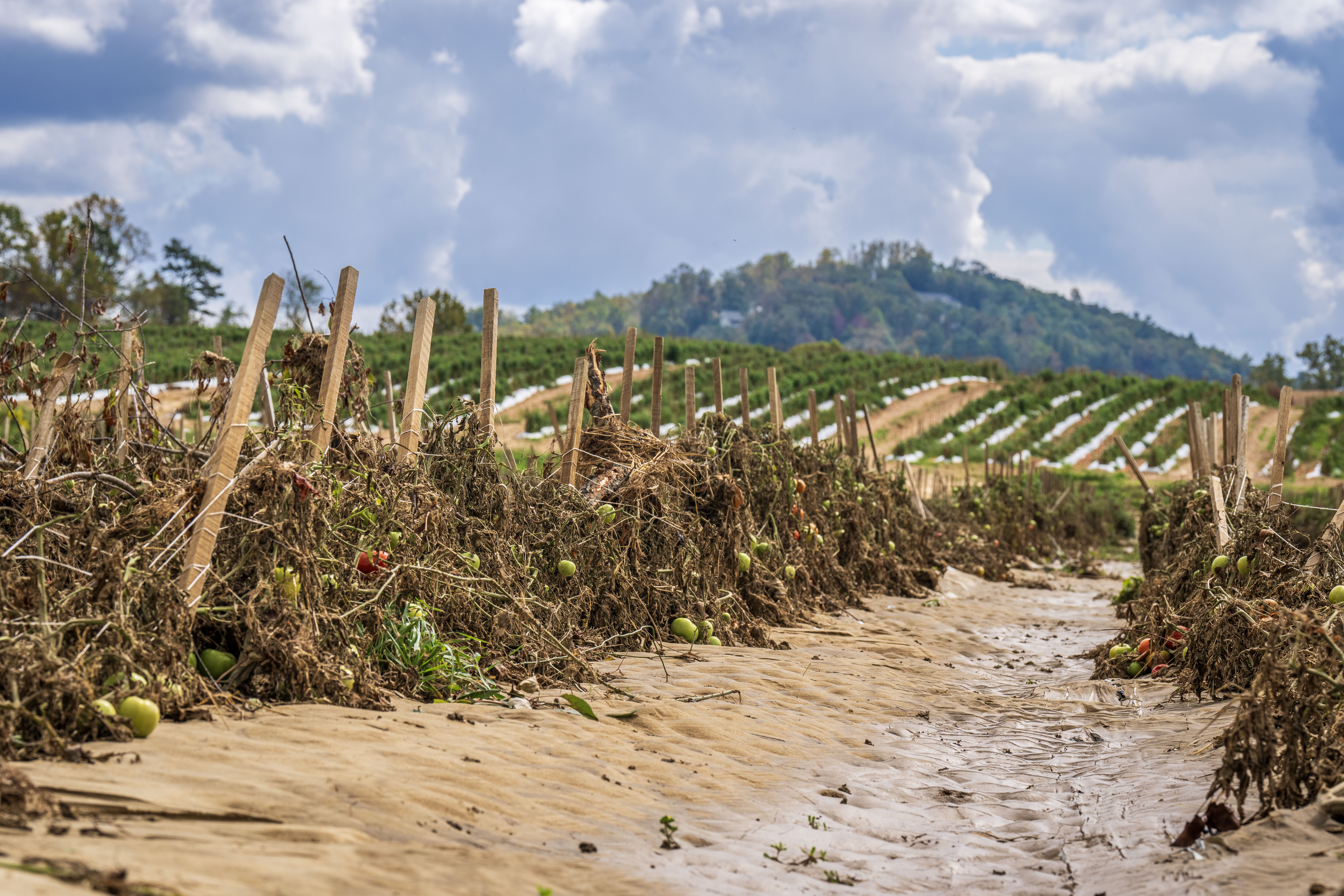
“The unexpected downpour in December hurt us badly. It damaged almost all the flowers. Pest attacks have also played a role. The pesticides used in the orchards have proven ineffective as insects have developed immunity,” says Abdul Razak, a seasoned farmer with over four decades of experience. Farmers also cite the delay in the flowering season for the low productivity.
“The flowering season typically commences in October and November. This year, however, it extended until mid-December. Climate change has emerged as a significant villain,” remarked Rahmat Sheikh, a migrant worker. Mango orchards in Muthalamada are spread across 5,000 hectares, covering an area from Chemmanampathy to Elevancherry, in the foothills of the Western Ghats.
“The mango season was a time of celebration for the entire community. The harvest was a means of livelihood for countless individuals, including farmers, agents, drivers, hoteliers, exporters, and many others,” says Mohan Kumar, secretary of the Muthalamada Mango Farmers and Merchants Welfare Association (MMFMWA). “From over Rs 500 crore, turnover in a single season has now plummeted to Rs 50 crore.
The changing climatic conditions and pest attacks have drastically disrupted our lives. Crop losses began nearly five years ago, and the situation is now dire,” Mohan lamented. According to farmers, the increase in attacks by pest such as hoppers, thrips and ‘velleecha’ have forced then to spend an additional Rs 4 lakh per 10 acres of land. “Earlier, pesticides were sprayed 2-3 times during the flowering season.
But due to the increase in pest attacks and climate change, we are forced to use pesticides nearly 13-14 times in a single season. This has increased production costs and many have taken out loans to tide over the crisis. Even the government has ended subsidies on pesticides. Along with this, low production and cultivation costs have cast a dark cloud over our hopes,” said Abic Mohan, a young farmer.
“If the government can find a vaccine for Covid, which is not visible to the eyes, why can’t the agricultural department and other departments find pesticides to kill insects? Government intervention is essential to restore the waning glory of Muthalamada,” Mohan added. Now, many farmers are planning to shift to coconut cultivation, which is also carried out extensively in the region.
“Most farmers have loans and are on the verge of facing action from banks. With business plummeting, many are planning to shift crops. If the government fails to take up the matter seriously, it will affect lakhs of people who are dependent on the Muthalamada market,” Mohan said.
Source - https://www.newindianexpress.com