India - Rain damages 740 ha of farmland, estimates peg crop loss at Rs 3.5 cr

09.08.2024 385 views

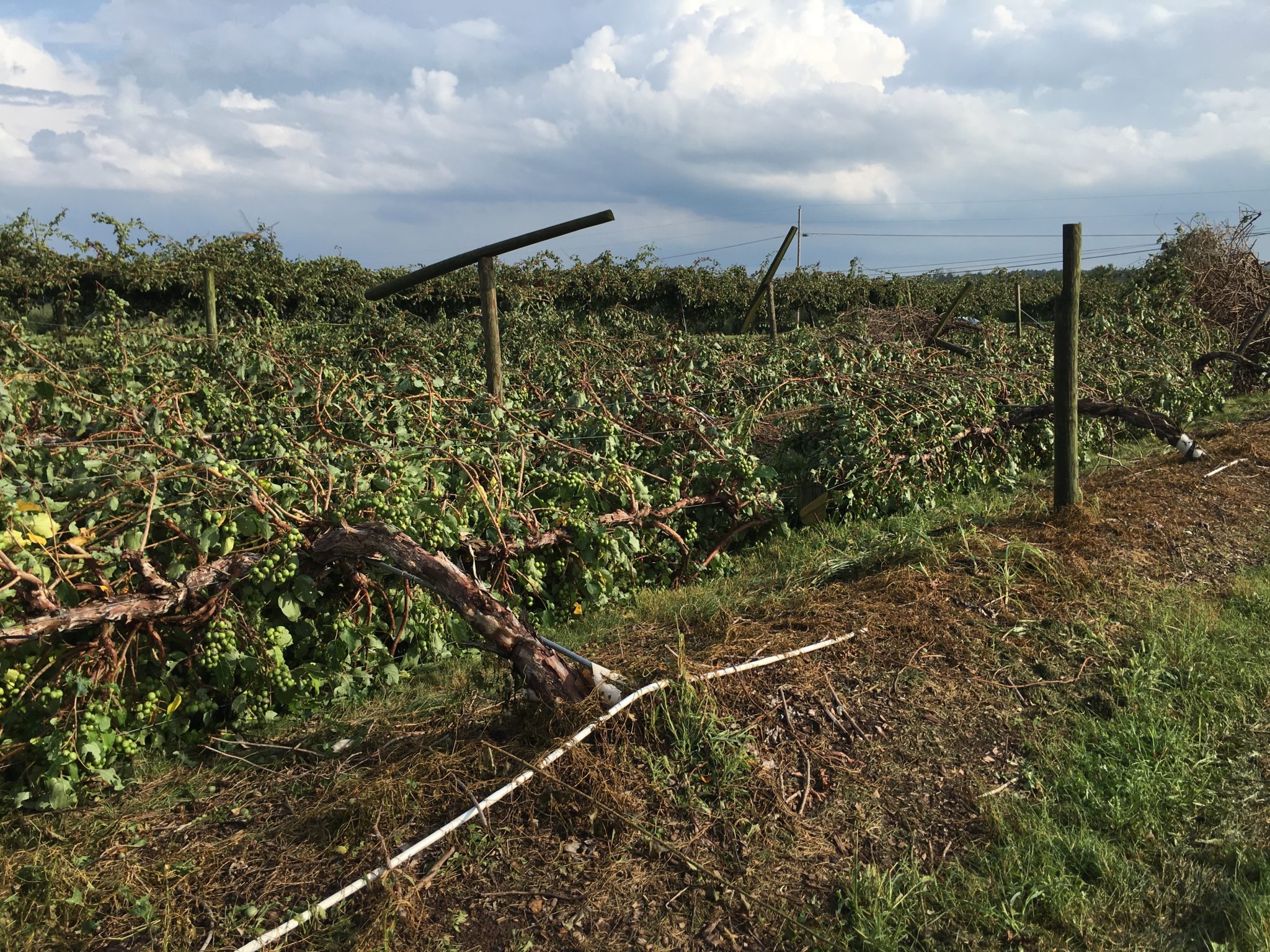
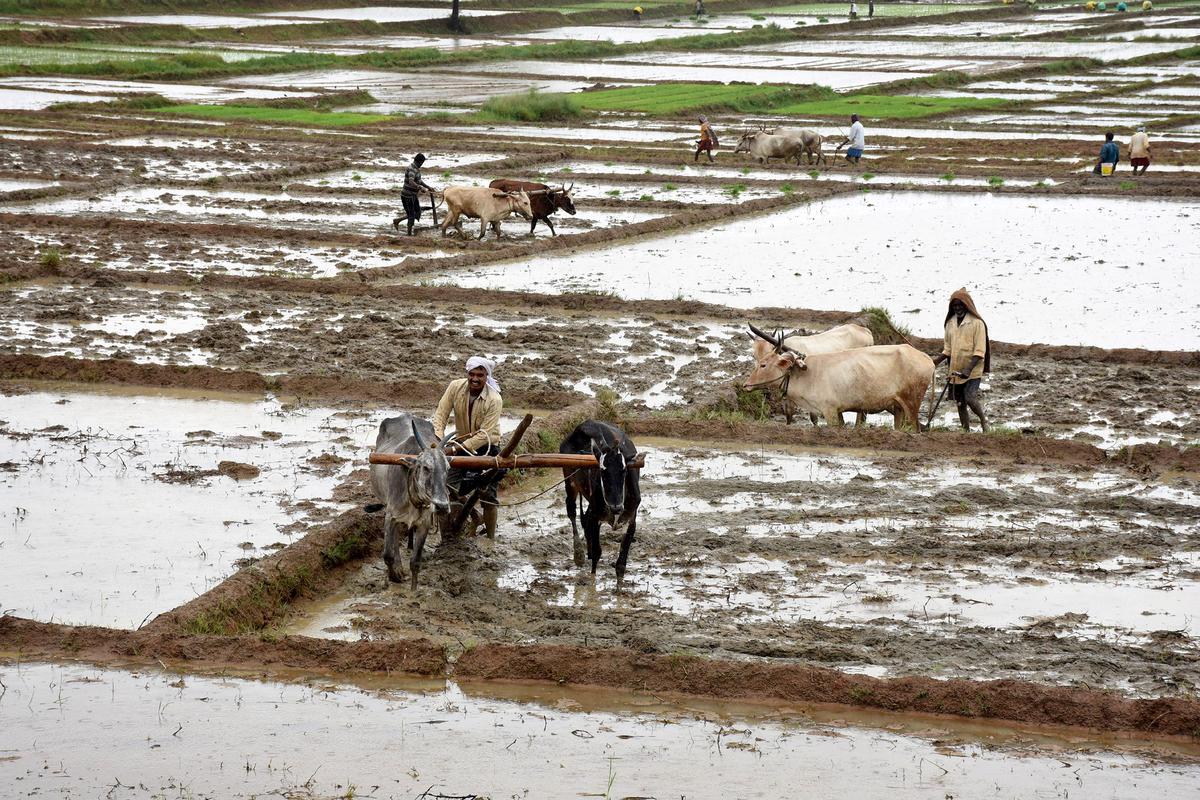
Paddy cultivation spanning across 740 hectares has been damaged in the state due to relentless torrential rain for the past month-and-a-half, resulting in crop loss estimated at around Rs 3.5 crore.

As per data, the paddy output for the year 2022-23 was 1.32 lakh metric tonne, whereas it was 1.42 lakh metric tonne in the last financial year 2023-2024 in the state.

Paddy cultivation is undertaken on 46,000 hectares of land, of which 31,000 hectares is covered during Kharif season and the remaining 15,000 hectares during the Rabi season.

Director of Agriculture Sandeep Phaldesai said that the department has already undertaken assessment of crop loss throughout the state.

“Teams that were assigned with the task for each of the 12 zones have submitted their reports,” he said.

He said that the department has received as many as 2,206 applications from Krishi card holders and 447 applications from non-Krishi card holders to claim compensation for the crop loss.

He said the compensation, as announced by Chief Minister Pramod Sawant during the just-concluded assembly session, will be disbursed before the Ganesh festival.

Phaldesai said that 648 hectares of paddy fields belong to farmers having Krishi cards, while 92 hectares was cultivated by non-Krishi cardholders.  He said farmers in Mapusa and Ponda zones are among the most severely affected.

“The reports prepared by the crop loss evaluation teams, overseen by zonal agriculture officers, indicate that farmers from Mapusa and Ponda have suffered the most due to heavy rains. The damage occurred during the critical stage of paddy transplantation,” he said.

“We will be submitting the reports to the government to facilitate the compensation process,” said the agriculture director.

He lamented that the department’s effort to revive Khazan lands and promote community farming suffered a setback this time due to continuous downpour.

Farmers from Salcete said that the government needs to implement measures to prevent crop damage on a large scale during monsoons and so that farming remains alive.

Source - https://www.navhindtimes.in

11.01.2026

USA - USDA’s Agricultural Research Service (ARS) helping wheat farmers fight a devastating crop disease

Researchers released a new spring wheat germplasm line with resistance to Fusarium head blight.

11.01.2026

Kenya - Government Mobilises Food and Livestock Relief for Mandera Amid Drought

The Government of Kenya has mobilised food and non-food essentials for urgent delivery to areas affected by food and nutrition shortages caused by adverse weather and low rainfall during the recently ended short rains.

11.01.2026

Indonesia - Govt identifies 30,000 hectares of fish ponds damaged by Aceh flooding

The Ministry of Marine Affairs and Fisheries has identified around 30,000 hectares of aquaculture ponds damaged by floods that hit several regions in Aceh.

11.01.2026

India - Pests and climatic factors damage tomato crop in Haldwani

The Gaulapar area in Haldwani, known for tomato cultivation, has been hit hard by pests and climatic factors this season. 

11.01.2026

Ethiopia’s Agricultural Reforms Attract Global Partners as Food Sovereignty Gains Momentum

Ethiopia’s ongoing agricultural reforms are reinforcing national food self-reliance while attracting growing interest from international development partners, according to a senior official from the Canadian Food Grains Bank (CFGB).

11.01.2026

India - Delhi to digitise agriculture under federal support scheme

Delhi Chief Minister Rekha Gupta has announced plans to fully digitise the city’s agricultural system, introducing digital records for farmers and farmland. 

08.01.2026

Pakistan - Balochistan Agriculture Secretary inspects vegetable seed research farm

Balochistan Secretary of Agriculture, Noor Ahmed Parkani, inspected the Vegetable Seed Breeding Division on Mastung Road. 

08.01.2026

Vietnam pushes biopesticides to support green farming

Biological plant protection products have emerged as an important solution to gradually reduce dependence on chemical pesticides, support integrated pest management (IPM), and advance ecological and organic farming.