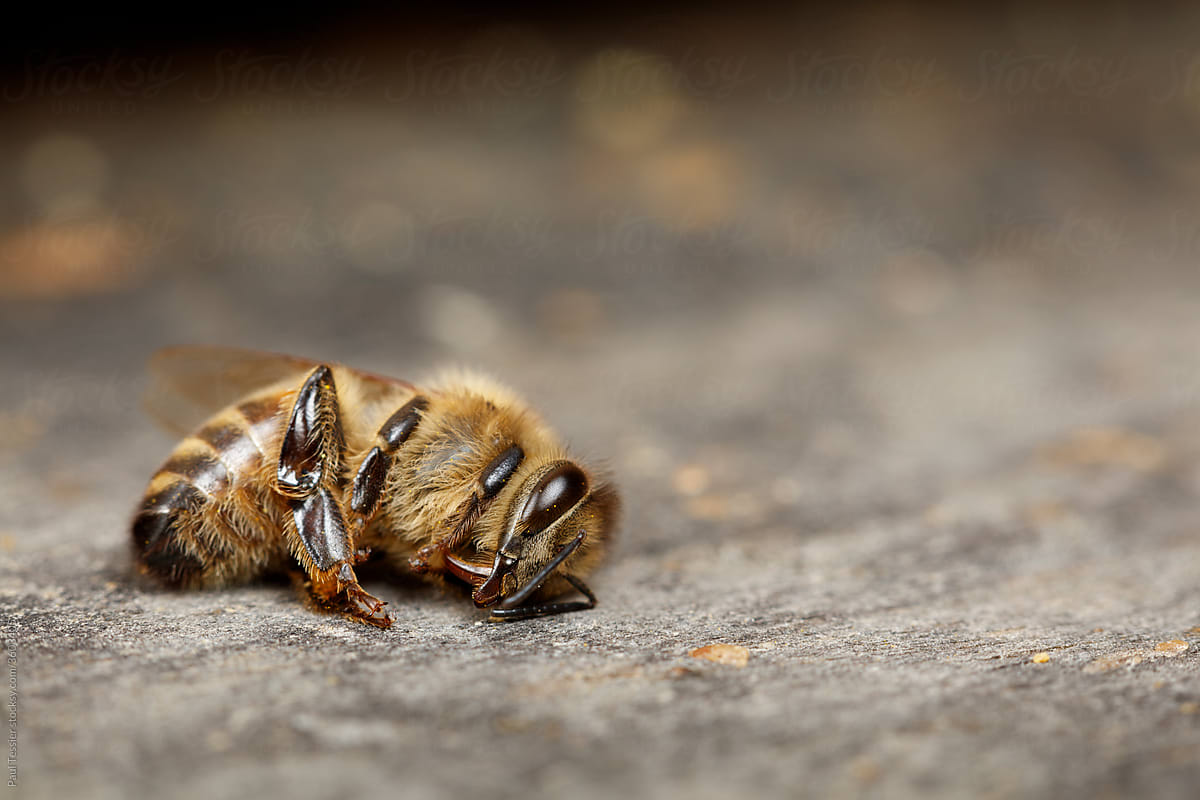
Ahead of the key honey production season from mustard crop, Punjab apiarists are anticipating heavy losses this year due to a high honeybee mortality rate.
Experts at the Indian Council of Agricultural Research (ICAR), a central institute, and Punjab Agricultural University (PAU), suspect that incidents of bee deaths were caused by insecticides and pesticides being used in bee flora of summer moong and paddy in Punjab and Haryana, sunflowers in Haryana and bajra (pearl millet) in Rajasthan, where bee boxes were migrated and kept May onwards.
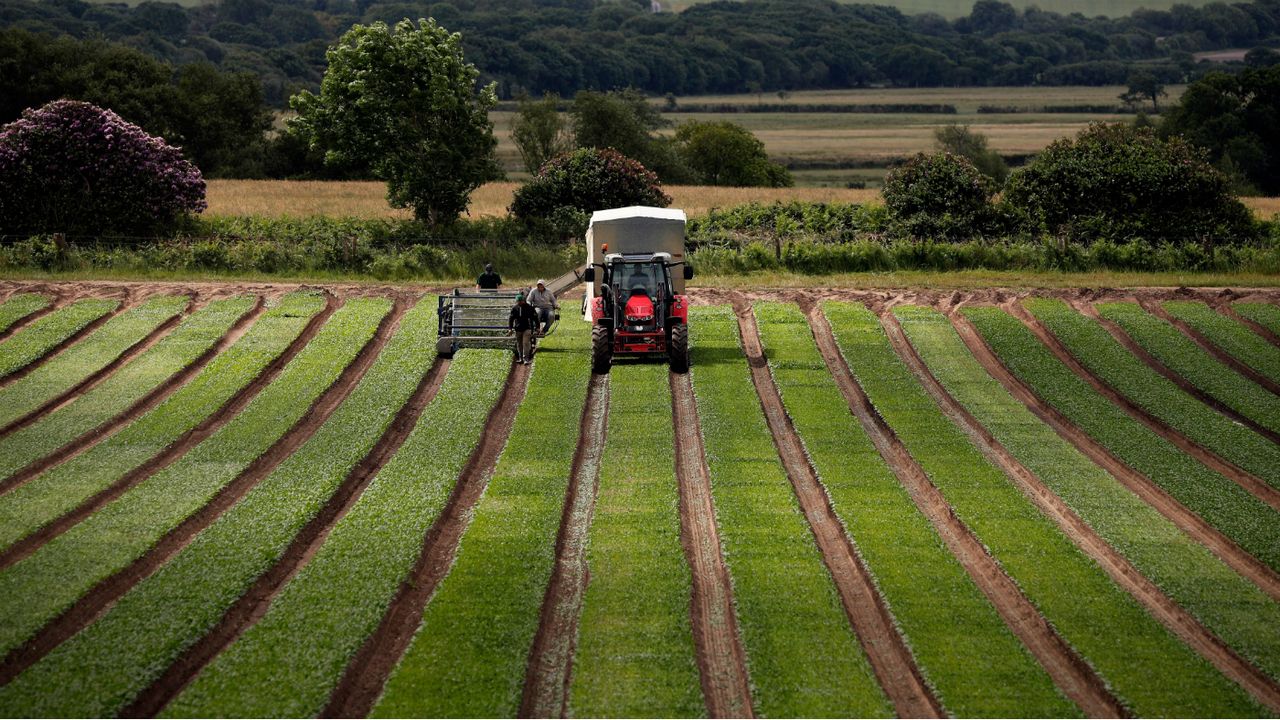
Due to the exceptional rise in temperature this summer and other climatic factors, incidents of pest attacks were reported in various kharif or summer crops and bees faced the impact of pesticides sprayed in fields.
Beekeepers demand the authorities to chalk out a protocol on the use of farm chemicals after auditing toxin levels to safeguard bees.
Jatinder Sohi, president of Progressive Bee Keepers’ Association, said though the adverse impact of farm chemicals was visible for the last five to six years, it was exceptionally high this time.
“In May, I had 320 bee boxes, with 20,000 bees per box, which were transported to Shahabad Markanda in Kurukshetra district of Haryana for feeding on sunflowers. Of those, bee colonies in about 60 boxes completely vanished in Kurukshetra and an almost equal number of boxes saw bee mortality when taken to paddy fields at Nabha in Patiala,” he said.
Bees collect pollen and nectar from sunflowers while kharif crops of paddy and bajra are preferred for pollen collection.
National award-winning beekeeper from Chuhar Chak in Moga, Narpinder Dhaliwal, said this year, farmers witnessed a high death rate in Kota, Alwar and other districts of Rajasthan too.
“Bajra-growing regions of Rajasthan have hardly ever troubled beekeepers as apiarists migrate bee colonies in that area. But this time, bajra growers used ample pesticides that affected the bees in a large number,” Dhaliwal said.
The area under summer moong saw a surge after the Punjab government promoted the cultivation of rabi zaid (third crop sown between rabi and kharif seasons). “As the short duration requires enhanced pest control management, it also led to bee mortality. The Punjab government should evaluate the stakes of beekeepers while promoting crop diversification,” he added.
Another farmer, Sukhwinder Singh, from Barnala said he suffered a loss worth over ₹5 lakh in terms of death of bees and estimated honey to be produced by them.
“Honey produced from mustard flower nectar has huge demand in the West and is also called cream honey. Before the crucial season, out of 250 boxes, I faced complete loss in 50 and the number of bees has fallen drastically in the rest ,” he added.
Balraj Singh, project coordinator of All India Coordinated Research Project on Honey Bees and Pollinators, which works under the ICAR, said the field inputs show that various kharif crops were infested with pests and farmers resorted to using pesticides in Punjab, Rajasthan and Haryana.
He, however, said that the scale of bee mortality has not been evaluated.
“This year, bajra-growing districts saw exceptional attacks of pests and rice fields also faced similar conditions due to the early onset of summer. Farmers had to depend upon pesticides to save crops and beekeepers should have adopted precaution and planned bee box migration accordingly,” said the expert.
Source - https://www.hindustantimes.com