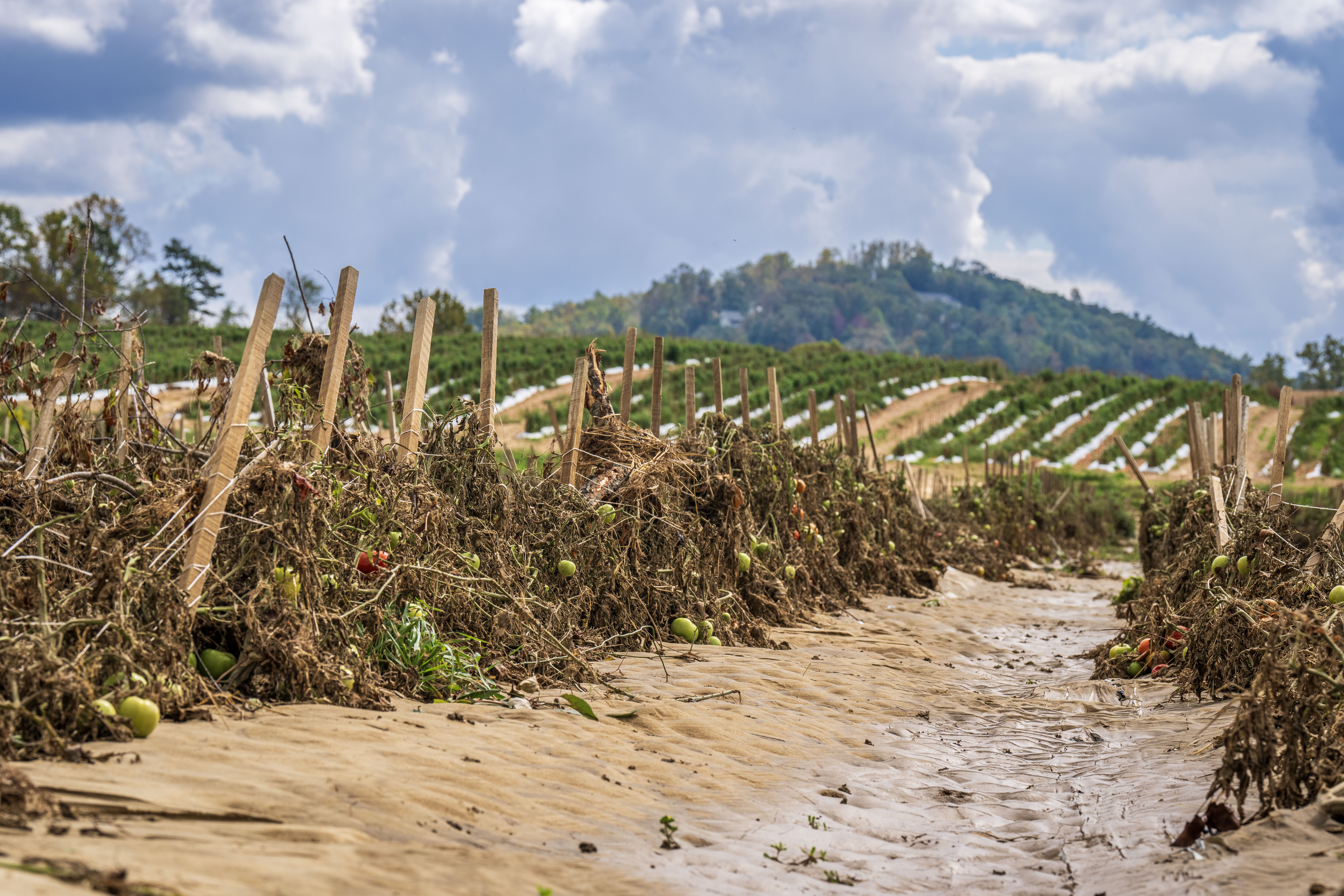
The affected area expanded widely, reflecting the growing impact of the diseases on one of the district’s key plantation crops.
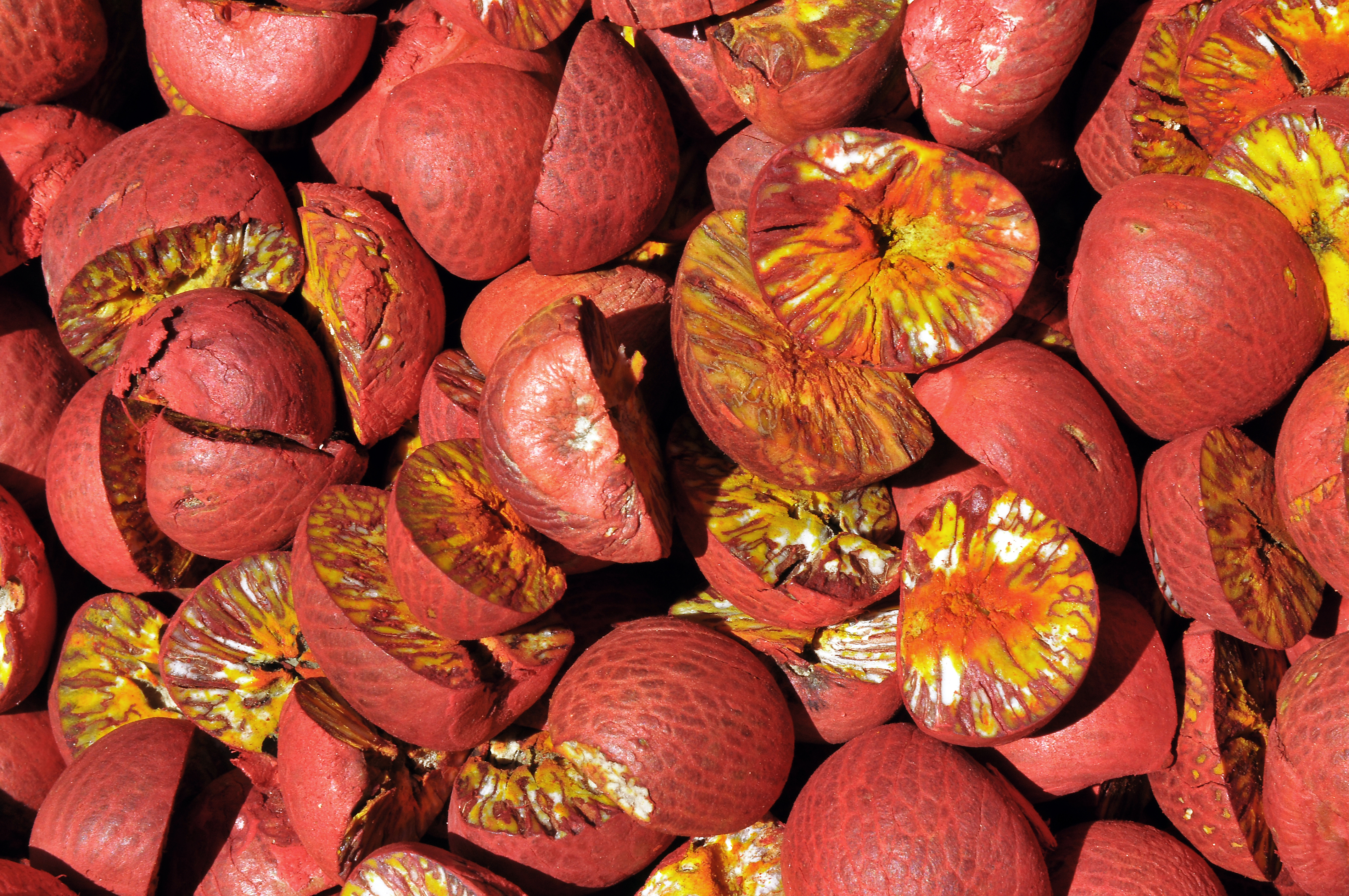
Arecanut growers in Shivamogga district suffered sharply rising losses over the past three years due to crop diseases, even as the Centre maintains that only “trace incidence” of major infections was recorded in the Malnad region. Financial losses linked to leaf spot disease and fruit rot (Koleroga) in the district jumped dramatically in 2024-25, crossing Rs 300 crore in a single year.
Minister of State for Agriculture and Farmers Welfare Ram Nath Thakur, in a written reply to an unstarred question from MP B Y Raghavendra in the Lok Sabha during the winter session of the Parliament, said that as per the surveys carried out by the Central Integrated Pest Management Centres (CIPMCs) of Department of Agriculture and Farmers Welfare, trace incidence has been found for Fruit Rot (Koleroga) and leaf spot disease affecting arecanut in Malnad region of Karnataka during 2022-23 to 2024-25. However, no incidence of fruit rot and LSD has been reported so far during the 2025-26.
Financial losses linked to leaf spot disease and fruit rot in Shivamogga jumped dramatically in 2024-25, crossing Rs 300 crore in a single year. The affected area also expanded steeply, reflecting the growing impact of disease on one of the district’s key plantation crops. In 2022-23, leaf spot disease affected about 5,991 hectares in the district, causing losses estimated at nearly Rs 15 crore, while fruit rot affected over 6,720 hectares with losses of about Rs 16.8 crore. The damage increased in 2023-24, with combined losses rising to over Rs 54 crore.
The situation worsened sharply in 2024-25. Leaf spot disease alone affected more than 30,600 hectares, with losses pegged at Rs 136.3 crore. Fruit rot impacted around 37,383 hectares, causing losses estimated at Rs 166.35 crore. To address disease-related losses, the Centre said it had constituted a National Scientific Committee on arecanut in 2022. The committee recommended integrated management measures, including nutrient management and fungicide application for leaf spot disease, and a long-term strategy to develop Yellow Leaf Disease-tolerant palms through tissue culture.
The Directorate of Arecanut and Spices Development has also launched large-scale demonstrations on community-based management of leaf spot disease across 10 taluks in four districts, including Shivamogga. A total of Rs 6.31 crore has been sanctioned for the programme over three years. The Centre sanctioned Rs 3,700 lakhs to State Horticulture Mission, Karnataka, in 2024-25 for the management of Leaf Spot Disease in arecanut. Under the National Horticulture Mission, the Centre allocated Rs 860.65 lakh in 2025-26 for leaf spot disease control in arecanut, of which Rs 189.25 lakh was earmarked for Shivamogga. Officials said Rs 146.24 lakh has so far been released to 2,755 farmers in the district.
The minister said that during the year 2023-24, under the integrated management of pest and diseases in horticultural crops, a grant of Rs 250 lakhs has been provided by Dept of Horticulture to 8,661 farmers for management of arecanut leaf spot disease. Under the National Horticulture Mission Scheme, a subsidy of Rs 1,500 per hectare is being provided for integrated disease/pest and nutrient management of horticultural crops including arecanut crop. In 2025-26, a total of 6,52,440 applications for arecanut insurance has been received under RWBCIS, out of which 1,18,345 are from Shivmogga district.
Citing losses caused by yellow leaf disease and leaf spot disease, Raghavendra has urged the Centre to ensure adequate protection for affected farmers. He also called for removal of technical hurdles in the WBCIS and correction of gaps in insurance assessment and calculation.
Source - https://www.newindianexpress.com