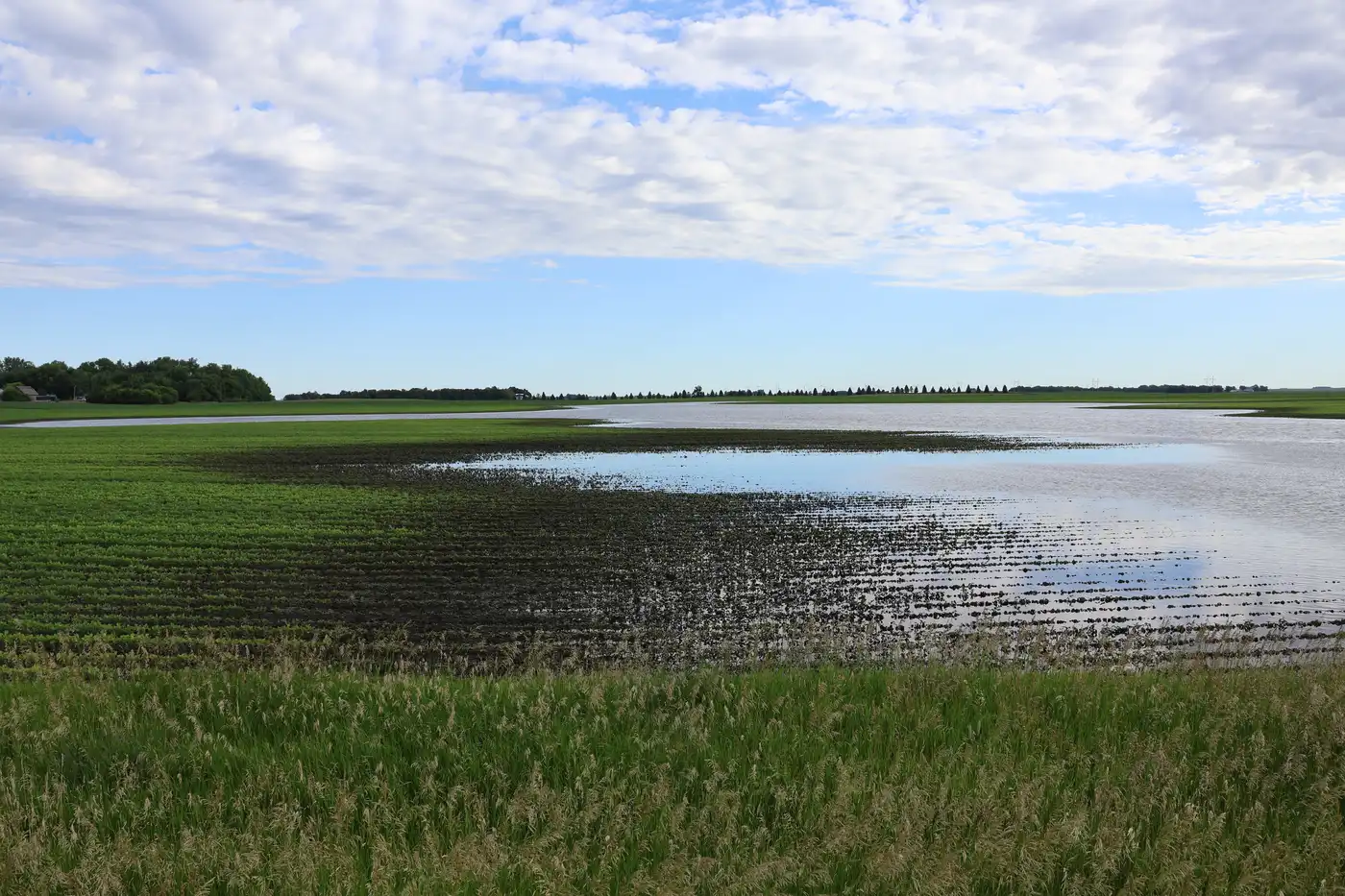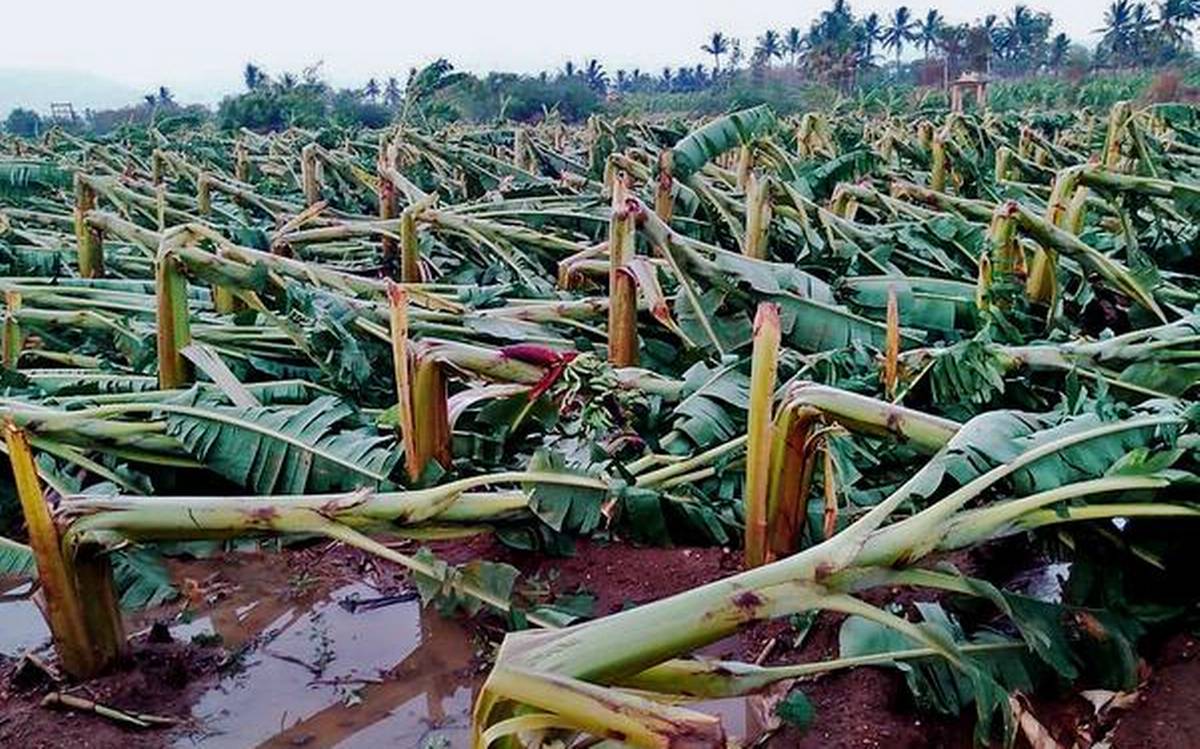
Unseasonal rain in India have once again highlighted the vulnerabilities of our agricultural sector.
While rain is generally seen as a blessing, unseasonal rains can be a curse for farmers already reeling under the impact of low crop prices, rising input costs, and changing weather patterns.
The recent unseasonal rain has not only affected the standing crops but have also impacted the post-harvest crops, which can lead to rise in prices of perishable commodities such as vegetables and fruits. This can have a cascading effect on the overall inflationary trend.
The impact of unseasonal rain is not just limited to the agricultural sector but also extends to other sectors of the economy. The construction sector can see a further rise in prices of key raw materials such as cement and steel due to the disruption caused by unseasonal rains.
In addition, people’s consumption patterns can also get impacted by the rise in prices of essential commodities, leading to a fall in the overall demand for non-essential goods and services.
Moreover, unseasonal rain can also have a social impact, especially on the vulnerable sections of the society such as small farmers, daily wage labourers, and migrant workers.
To address these issues, there is a need for a multi-pronged approach that involves both short- and long-term measures. In the short term, the Centre and States can waive farm loans , provide compensation for crop loss, and supply seeds and fertilisers at subsidised rates. The Minimum Support Price could also be increased as short term measure.
In the long term, there is a need for structural reforms in the agricultural sector that can make it more resilient to the changing weather patterns. This can involve measures such as promoting crop diversification, encouraging the use of modern technologies and farming practices, and strengthening the supply chain infrastructure to reduce wastage and post-harvest losses.
Moreover, the issue of unseasonal rains also highlights the larger issue of climate change. India needs to take a proactive approach towards mitigating its impact. This requires a coordinated effort between the Centre and States, civil society organisations, and the private sector.
Government measures
The government has launched several initiatives such as the Pradhan Mantri Fasal Bima Yojana (Prime Minister’s Crop Insurance Scheme) and the Pradhan Mantri Krishi Sinchai Yojana (Prime Minister’s Agricultural Irrigation Scheme) to address the concerns of farmers. The Soil Health Card Scheme provides farmers with a comprehensive report on the nutrient status of their soil and recommends corrective measures.
This can help farmers optimise their use of fertilisers, reduce wastage, and improve soil health. The government has also launched the Pradhan Mantri Krishi Sinchai Yojana, which aims to boost irrigation infrastructure and promote water-use efficiency. This can help farmers optimise their use of water resources, improve crop yields, and reduce the risk of crop failure due to droughts or water scarcity.
Unseasonal rain has a significant political impact as well, especially in the context of the upcoming state and national elections. The ruling political party often faces criticism from the opposition for not doing enough to address the concerns of farmers. This leads to a political blame game, with each party trying to score points over the other.
Moreover, there is also a need for greater coordination between the central and state governments. The Centre can provide financial and technical support to the State governments to address farmers’ concerns, while the States can take the lead in implementing the initiatives at the ground level.
Source - https://www.thehindubusinessline.com