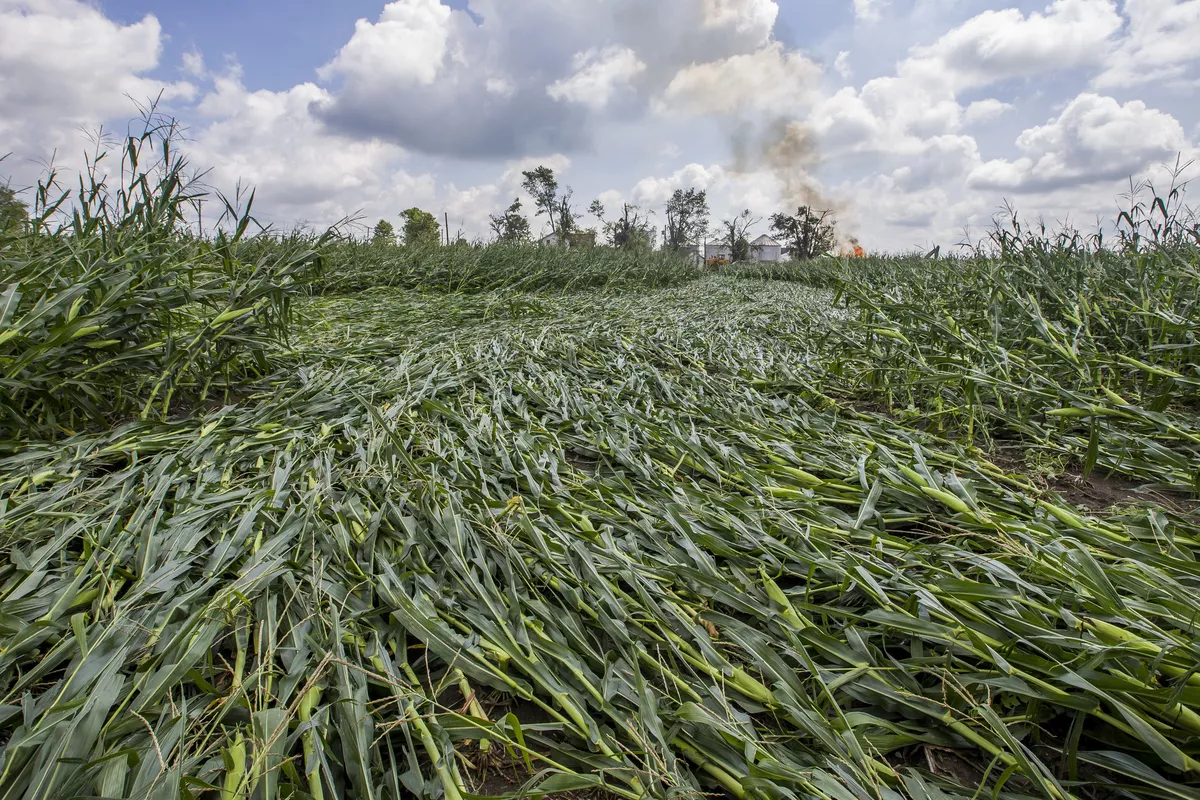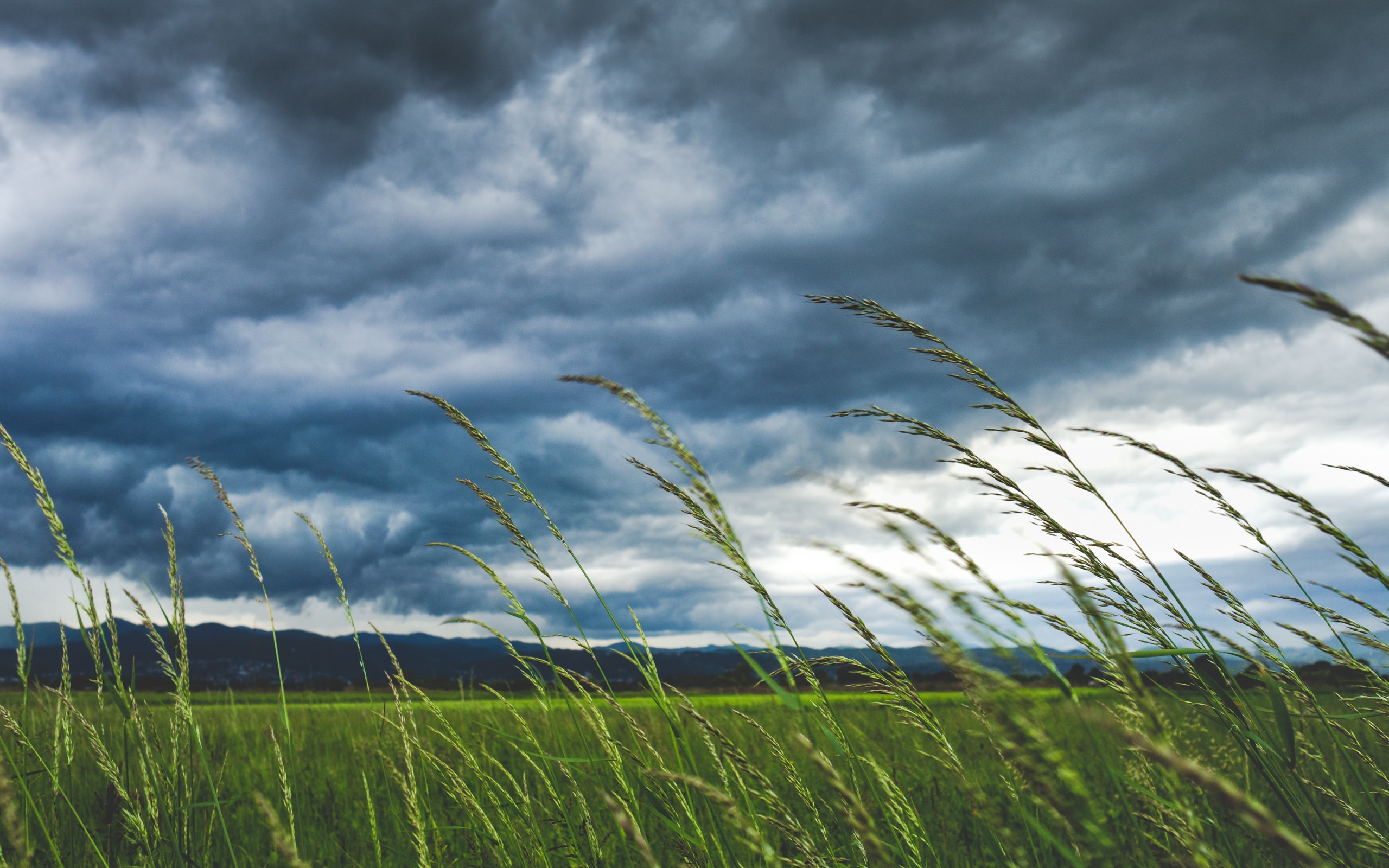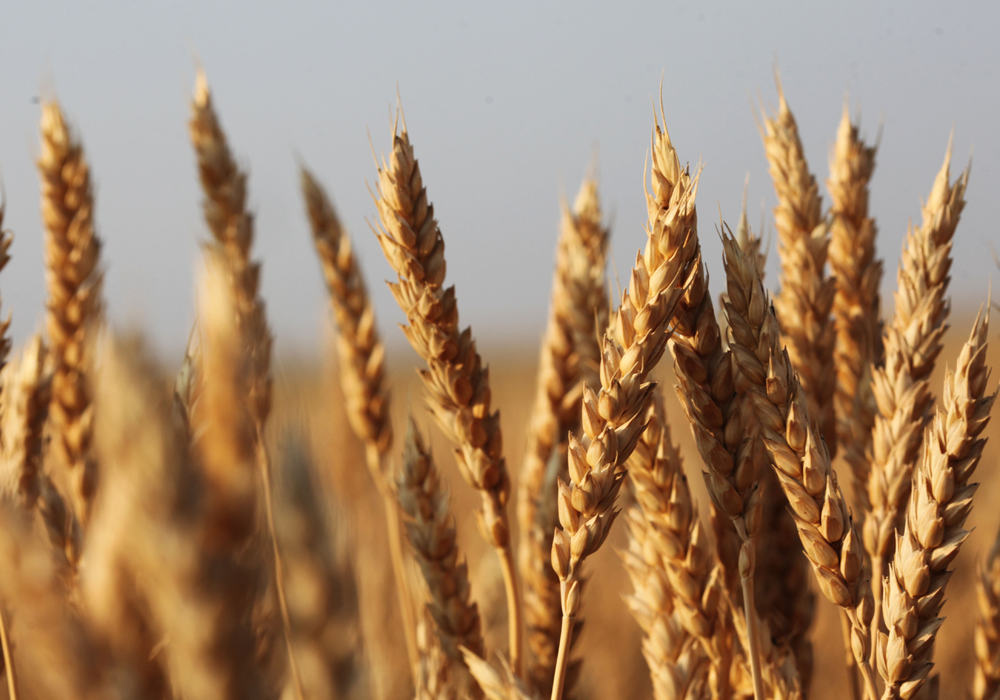
Farmers in northwest India are facing huge losses after untimely rains and hailstorm damaged wheat crops. Despite the damage, the ministry of agriculture has stuck to its initial projection of over 112 million tonnes in output. The government has relaxed procurement, but farmers say their losses are huge. Ravinder Bawa has more from Rohtak.
Rajesh Gill, a farmer from the north Indian state of Haryana, is a worried man today as more than 50 percent of the wheat crop in his fields is damaged due to inclement weather. Everyday he has been surveying his field to assess the damage due to hailstorm in this area in March.
RAJESH GILL "Farmer In one pod there are usually 65-70 seeds, but now we have got only 15-17 in two pods. Not even one fifth of the produce is left in the fields. Tell me what can we do for survival. To this is the added cost of farm labour for harvesting the left over produce."
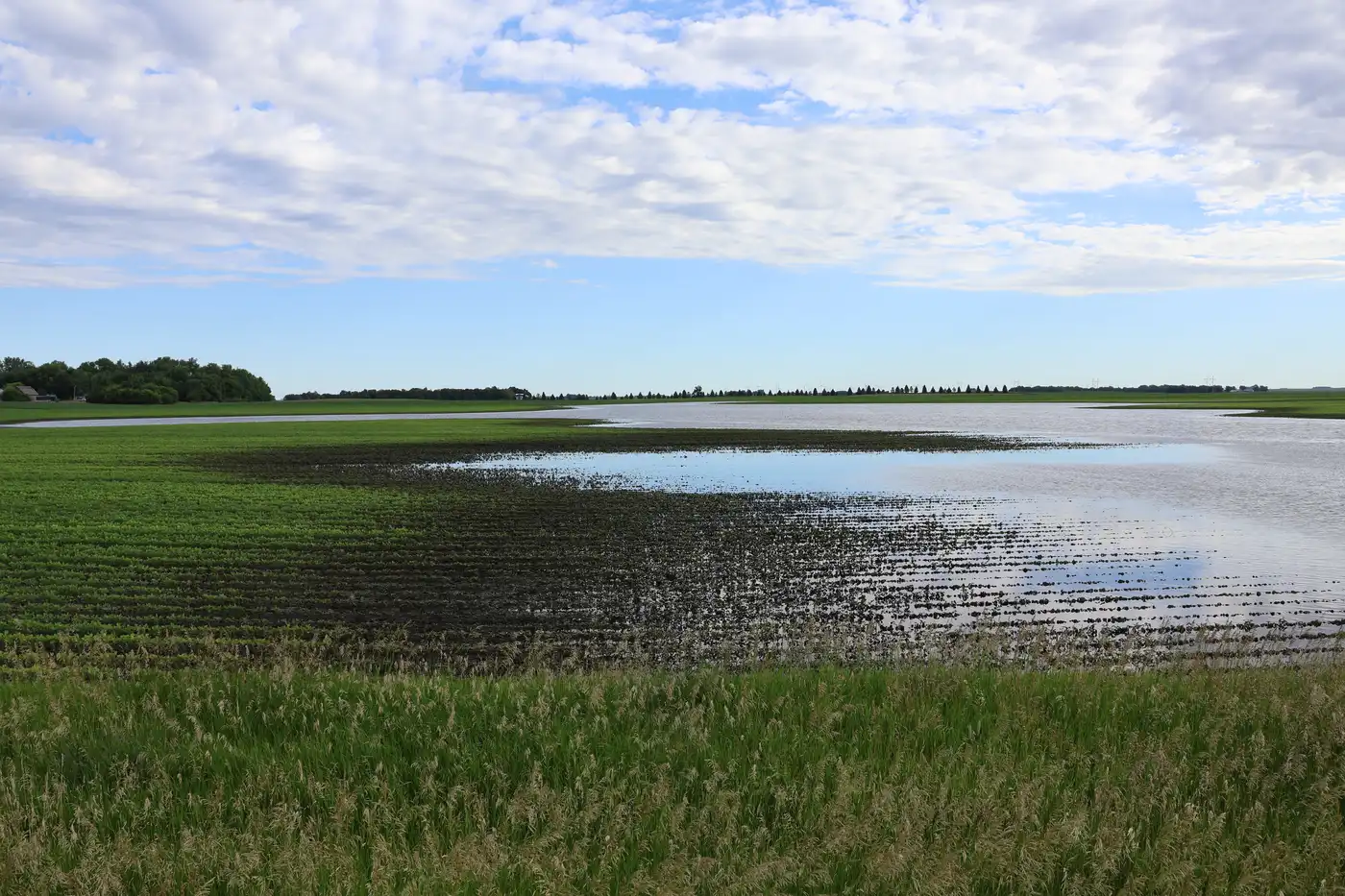
Unseasonal rainfall flattened wheat crop sown on millions of hectares of land causing huge losses to the farmers. Now they have to depend on manual labour to retrieve the production. The quality of crop has suffered due to water stagnation in fields taking the moisture level in the produce beyond the permissible limit of 14 percent.
SUMIT DALAL Activist "The government is deducting 31 rupees per quintal in the name of lustre losses. We are saying it is unfair to deduct prices. The farmer is already being hit by the effects of climate change. Now it is the responsibility of the government to relax the terms and conditions of lustre loss during procurement."
New crop has started arriving in the markets, but the harvest has lost lustre. This has impacted the prices being paid to farmers. Experts say the government needs to maintain its ban on exports.
DR LAKHWINDER SINGH Agricultural Economist "if India exports domestic prices will go up. The current situation is such that we are expecting some shortage of food grains because of the damage."
India has already extended its ban on wheat exports, which was in place since last year to keep domestic prices low. Now all eyes are on final procurement prices for crops which will then determine future policies.
RAVINDER BAWA Rohtak "Usually this place would have been bustling with activity, but this year farmers are waiting for a special survey by the government to assess the damage to the crops in their field due to untimely rain. The government has assured that once the data is collected, relief will be provided to them. But the farmers say it will not even be equivalent to the input costs."
Source - https://news.cgtn.com