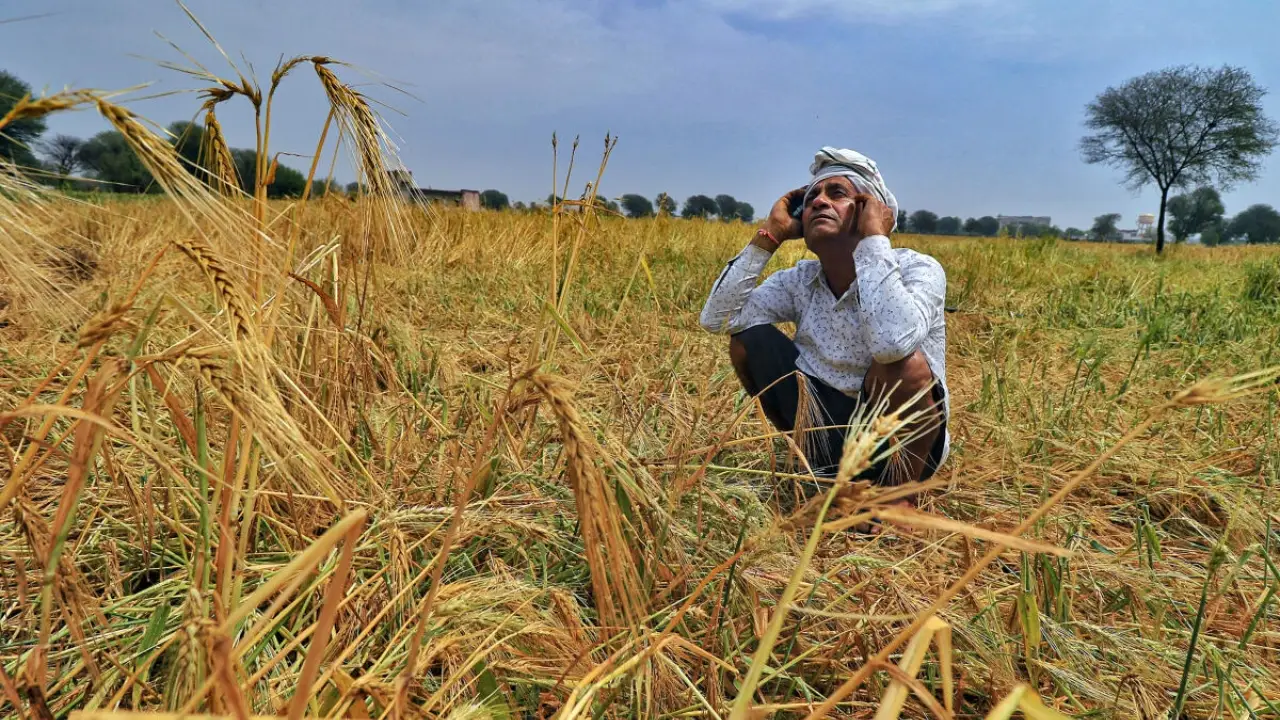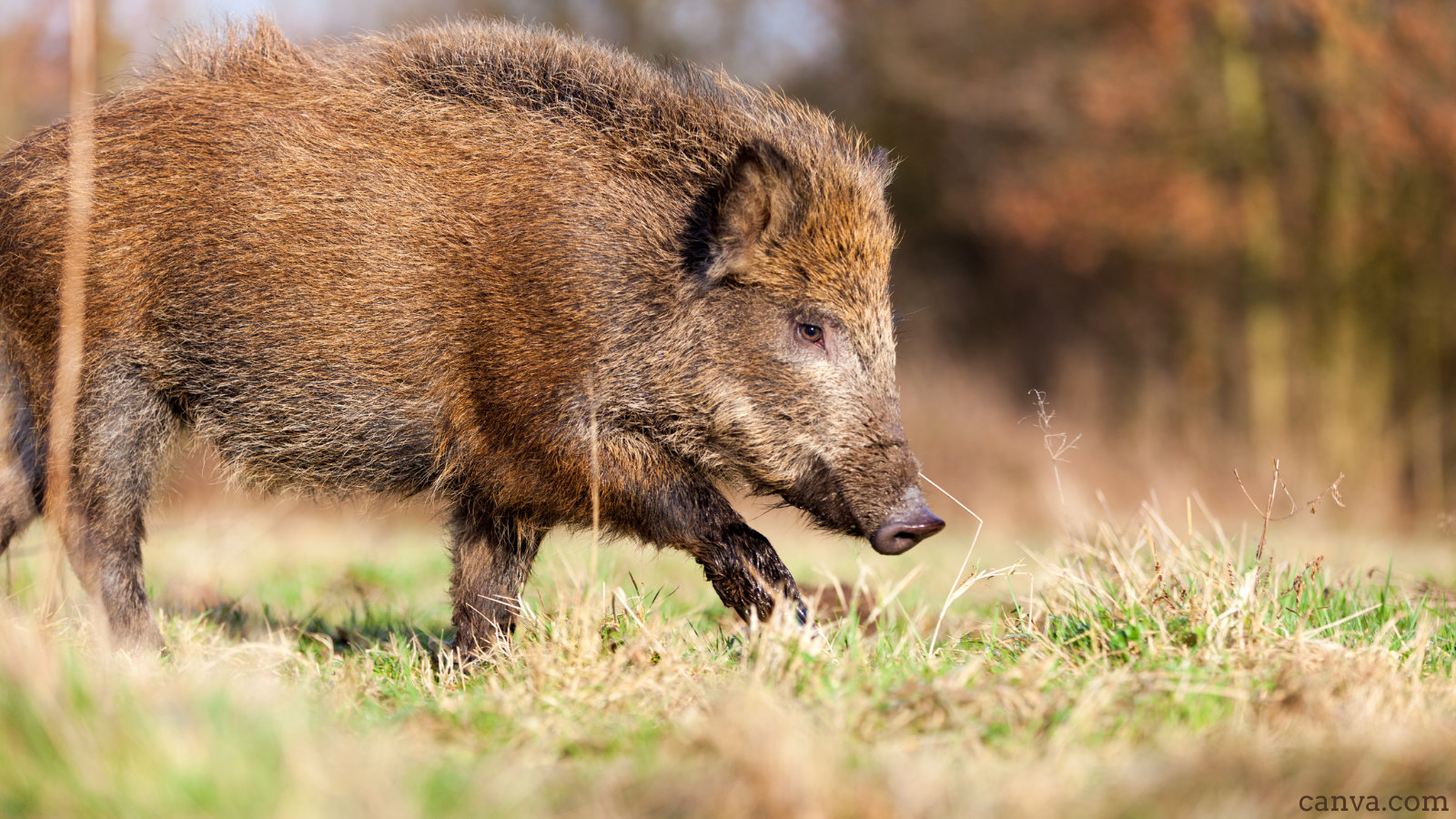
Farmers across a dozen villages in Nuh have been left harried by wild boar attacking crops in their fields. The farmers of villages such as Pathkhori, Chainpuri and Kubra Bas (Raavli) have sought the help of forest officials as a pack of 20 to 25 wild boars has been reportedly attacking fields every night and destroying crops, especially vegetables.
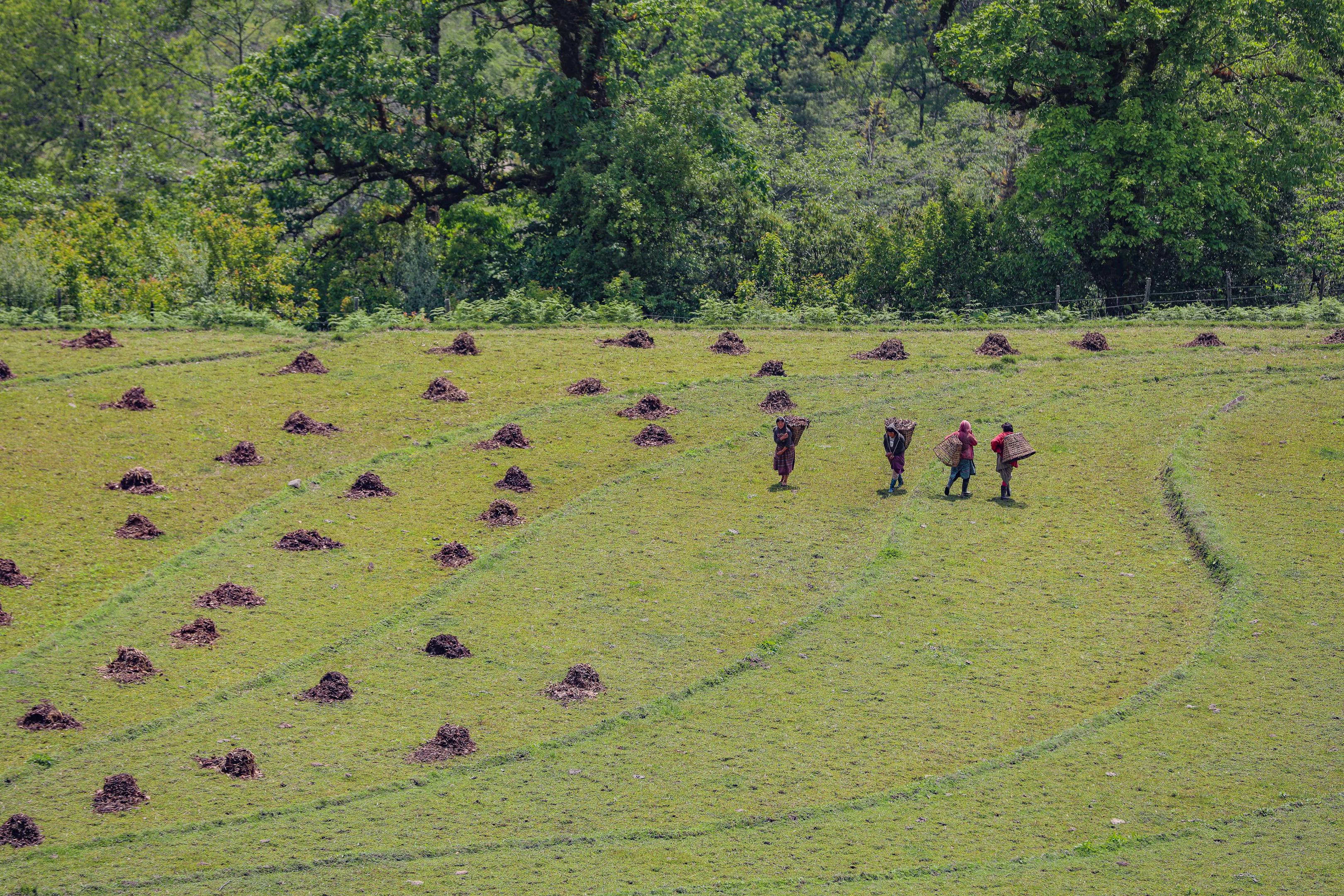
The farmers claim that while they have tried to tackle the problem at their end by putting up night vigils and shooing them with sticks, but they attack them. The villagers are now so terrified that they hardly step out after 9 pm and local panchayats have also barred the people from going towards the fields after a particular time. Even children and women who often go to the nearby forest to collect grass or twigs have also been asked to stay away.
“I sowed 10 acres of onions after taking a loan. For the past one week, the entire crop is being trampled over by wild boars causing huge losses. I have already lost fifty per cent of the produce and if nothing is done, I will lose the remaining crop too,” said Sajid Hussain of Pathkhori.
The worst hit are small-time farmers like Resham of Kubra Bas who had sown three acres of onions and mustard, but has lost the entire crop.
“We had borrowed money for the crop and it is destroyed now. A pack of wild boars comes almost every alternate night after 9pm and goes on a rampage from one village to another. We have tried to stop them and drive them away but they attack us. The animals are not even scared of fire and the noise of crackers or gun shots. We have approached forest officials. We require dedicated teams to not only catch and get us rid of the boars, but also keep vigil as a majority of onion crop in around 10 villages has been destroyed,” said farmer Saabir Aneez.
When contacted, District Forest Officer Vijender Singh said though he was yet to receive any formal complaint from villagers, he would get the wildlife team to work out a solution.
“The villages are on the border of the forest and are frequented by wild animals. This is a common problem. We will have wildlife team to look into the issue and work out the best solution that ensures farmer safety and wildlife preservation,” he said.
Source - https://www.tribuneindia.com