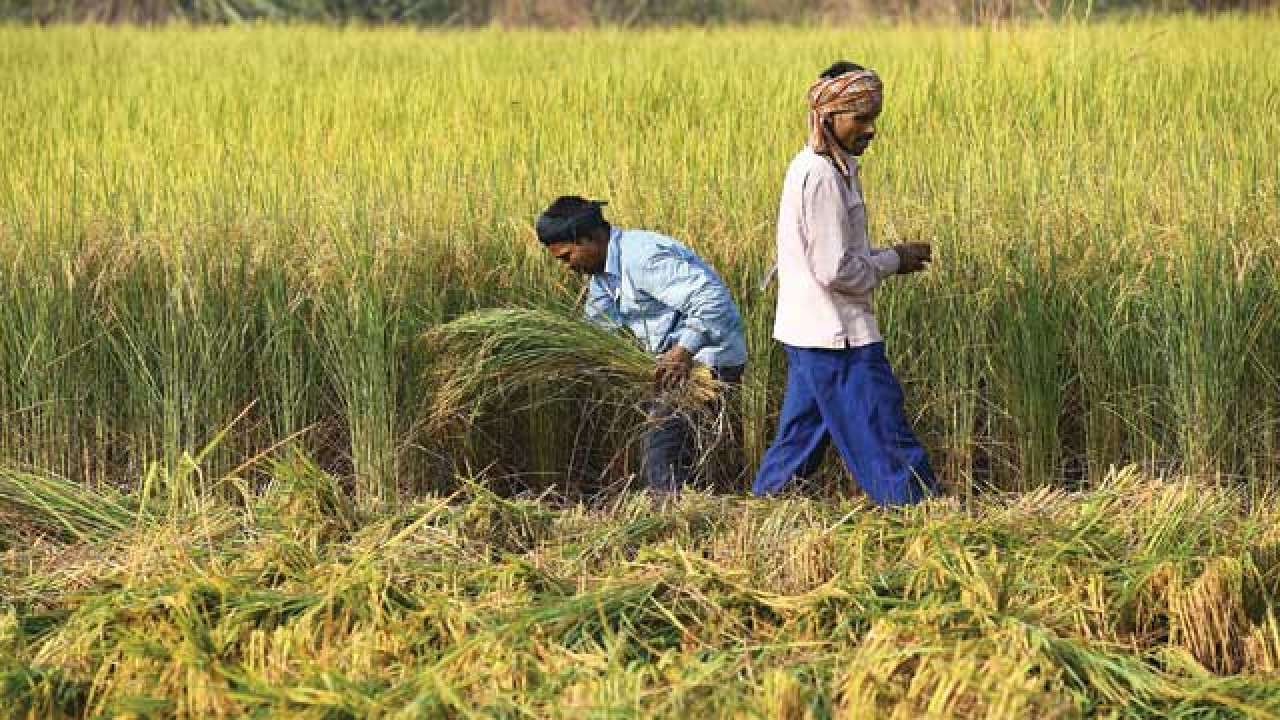
In FY24, general insurance companies in India have reduced their exposure to crop insurance under the Pradhan Mantri Fasal Bima Yojana (PMFBY), even as the government pushed to increase coverage in the agricultural sector.
The gross direct premium underwritten by insurers fell by 4.17% to Rs 30,677 crore during the fiscal year, down from Rs 32,011 crore the previous year, according to a report by The Indian Express. This decline occurred despite farmers facing significant crop losses due to adverse weather conditions, including floods, unseasonal rains, and heatwaves.
In the prior fiscal year (FY23), crop insurance premiums had increased by 8.66%, reaching Rs 29,465 crore.
A major contributor to the decline was the 32% reduction in premium income underwritten by the state-owned Agriculture Insurance Company (AIC), which dropped to Rs 9,890 crore in FY24 from Rs 14,619 crore the previous year, according to data from the General Insurance Council of India.
AIC, the leading crop insurer in the country, along with three other government-controlled insurers – New India Assurance, Oriental Insurance, and SBI General – scaled back their exposure to crop insurance during FY24, The Indian Express reported.
Notably, AIC paid out claims amounting to Rs 12,353 crore under PMFBY in the same period.
Oriental Insurance Company significantly reduced its crop insurance exposure to Rs 8.94 crore in FY24 from Rs 1,752 crore the previous year. SBI General Insurance also cut back on its exposure. New India Assurance Company, the largest insurer in the country, reported a negative premium underwritten of Rs 34.41 crore, compared to Rs 11.38 crore in the previous year.
“Four insurers controlled by the government directly or indirectly reported a decline in crop insurance coverage. The farm sector is a vital sector of the economy. Public sector entities should have been in the forefront of providing cover to the farmers who are facing the risk of losses due to floods, heatwaves, and unseasonal rains,” said an insurance firm official, as reported by The Indian Express.
The Indian Express’s report noted that the PMFBY scheme, integrated with multiple stakeholders on a single platform, covered nearly 4 crore farmers and more than 50 different crops in FY24. Over 55% of the insured farmers were non-loanee farmers, primarily enrolled through common service centres (CSCs).
PMFBY offers comprehensive insurance coverage against crop failure, stabilising farmers’ income and promoting the adoption of innovative practices.
The scheme is mandatory for loanee farmers with crop loans or kisan credit card (KCC) accounts for notified crops, and voluntary for other farmers with insurable interest. The maximum premium payable by farmers is 2% for Kharif food and oilseed crops, 1.5% for Rabi food and oilseed crops, and 5% for annual commercial or horticultural crops.
To extend PMFBY coverage, the Ministry of Agriculture and Farmer Welfare launched the App for Intermediary Enrolment (AIDE) last year, enabling intermediaries to enrol non-loanee farmers starting Kharif 2023.
This initiative, involving insurance brokers, resulted in 71% of farmer enrolments through Point of Salespersons (PoSPs), totalling 6.88 lakh farmer applications covering over 4.15 lakh hectares across 11 states and 12 insurers, according to the ministry.
“Utilising such extensive network of over 12 lakh PoSPs via insurance brokers offers a substantial opportunity to increase non-loanee farmer enrolments. This strategy significantly enhances the enrolment of non-loanee farmers while simultaneously expanding their access to a diverse range of retail insurance products,” the ministry said, as reported by The Indian Express.
Source - www.insurancebusinessmag.com