

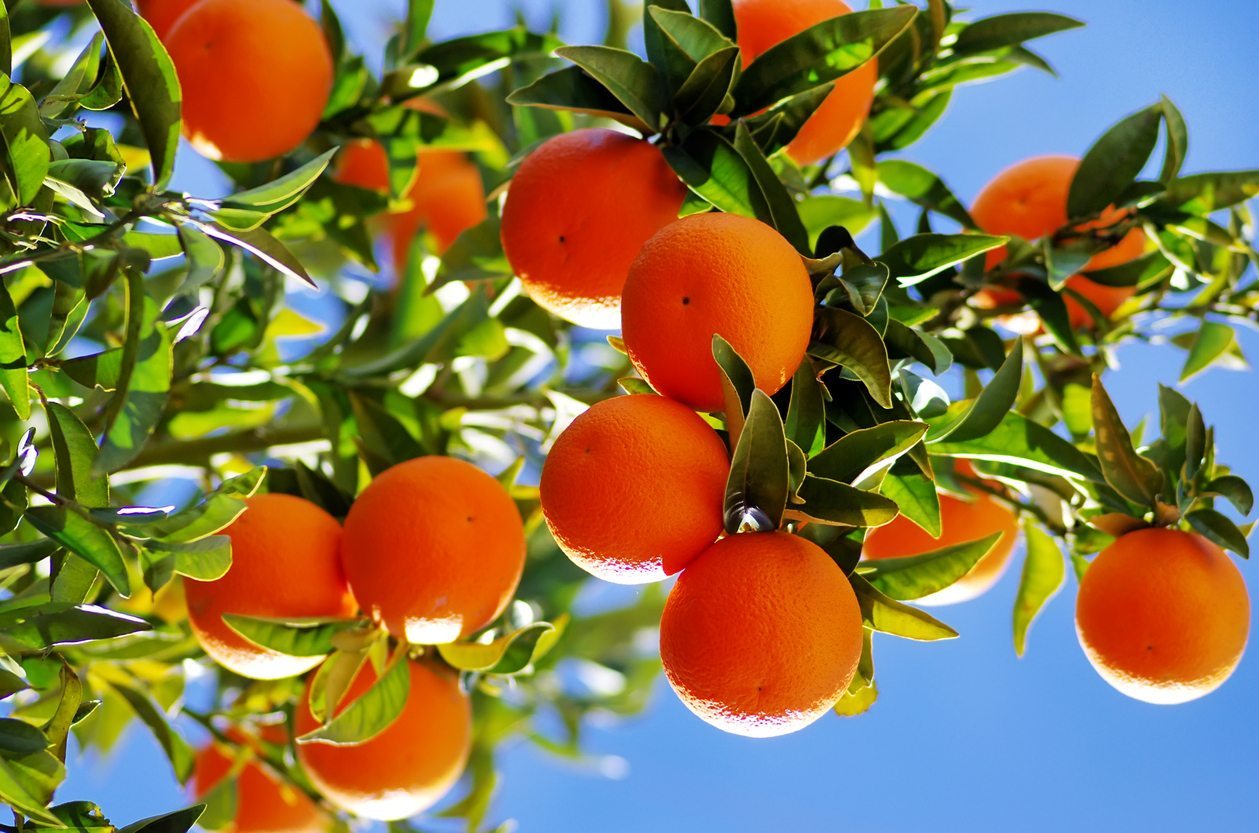
The 2022-2023 citrus harvest currently underway in Israel is expected to be lower as logistics issues are also hampering business and will contribute to another “challenging year”.
According to Yonatan Meron, Export Manager of Granot Fresh: “Although we had a slight reduction in the logistic costs to ease the pain, the sea freight rates did not decrease enough for the reefers. The weight of the citrus in the containers is low and that adds to the problem. Every cent on sea freight matters. Citrus is a commodity, it is not a high price product. It might be another very tough season for our growers.”
As the first couple of week's of Israel’s citrus season has passed, a clearer picture of what is happening in key markets are pointing to reduced demand in previously reliable markets such as China and Japan.
“We are just about to finish our Sweetie variety. Fortunately we finished picking and packing just before the rains started. It is better to harvest before the rains. Our main markets in the past were the Far East and Japan. We had good years with growing demand from China. This has been reduced more and more, with China hardly taking any while Japan is also going down in volume. We therefore rely a lot on exports to Russia and to North America, which have been growing in the last few years and have been a good solution for us.
"But, the logistics issues are remaining as a huge burden on us. Transport to Russia is an issue these days and much more expensive since last February. It's fair to say that all the export procedures to Russia are more complicated and challenging. Though the prices in the Russian market are okay, the extra costs bring much lower returns to our growers compared to previous years. Apart from that, we sell a little bit in Eastern Europe, but it is not a big market for Sweeties. Over the last few years Israel exported 13 000 tons of Sweeties a year. This year we had more yields, but some growers went directly to the juice industry, so I still don't know how the numbers will add up,” Meron stated.
He said red grape fruit growers are estimating a 20% lower yield than last season. The total export of sunrise from Israel in 2021-2022 was 43 000 tons. Regarding Mineola, Meron says they are expecting to see low volumes exported from Israel, which is normal, because it’s "not a big product" with just over 3 000 tons sent last season.
Meron reflects on the challenges of last year’s citrus season in Israel and the difference at the start of the current 2022-2023 season. “Sunrise had a very tough season last year. Sea freight costs for Europe were higher than previous years and the overall market was tough. It is especially hard for us to compete with the lower prices of other origins. In China apart from the high transport costs, we had long transit times and delays to that market. There were Corona virus issues with fruit stuck and kept much longer in the markets. This season started more encouraging with high prices in Europe. Whoever loaded fruit, could’ve enjoyed the very good and high prices. Returns were reasonable, we are also looking to a much better market in China this season.”
The Orri mandarin variety, which is the leading product developed by the Israel citrus industry, they exported 72 000 tons in 2021-2022. “The estimation for the coming season is a bit higher. The Orri mandarin season is one month away. We are waiting to see how it will unfold. Last season was a disaster, after two good seasons. We will be sending Orri mainly to France. We also export to Canada and the US, which are good markets for our small or big sizes. We are looking forward to a better market situation, and actually it does look better now. There are fewer mandarins from other origins on the markets,” said Meron hopefully.
Source - https://www.freshplaza.com










