Here at the Hub of the Great Lakes, consistent warm weather has been taking its own sweet time coming. If you’re a gardener, you are likely already buying your annuals while you can still find them, and then hauling them out into the sun in the morning and back into shelter at night – or covering them – to protect them from the cold until it is safe to plant them up.
The old Italian gardeners here would go by the feast of St. Anthony – June 13 – as the safe date. The Full moon in June has also been suggested. This year, that will be on June 13. Maybe the old Italians know what they are talking about.
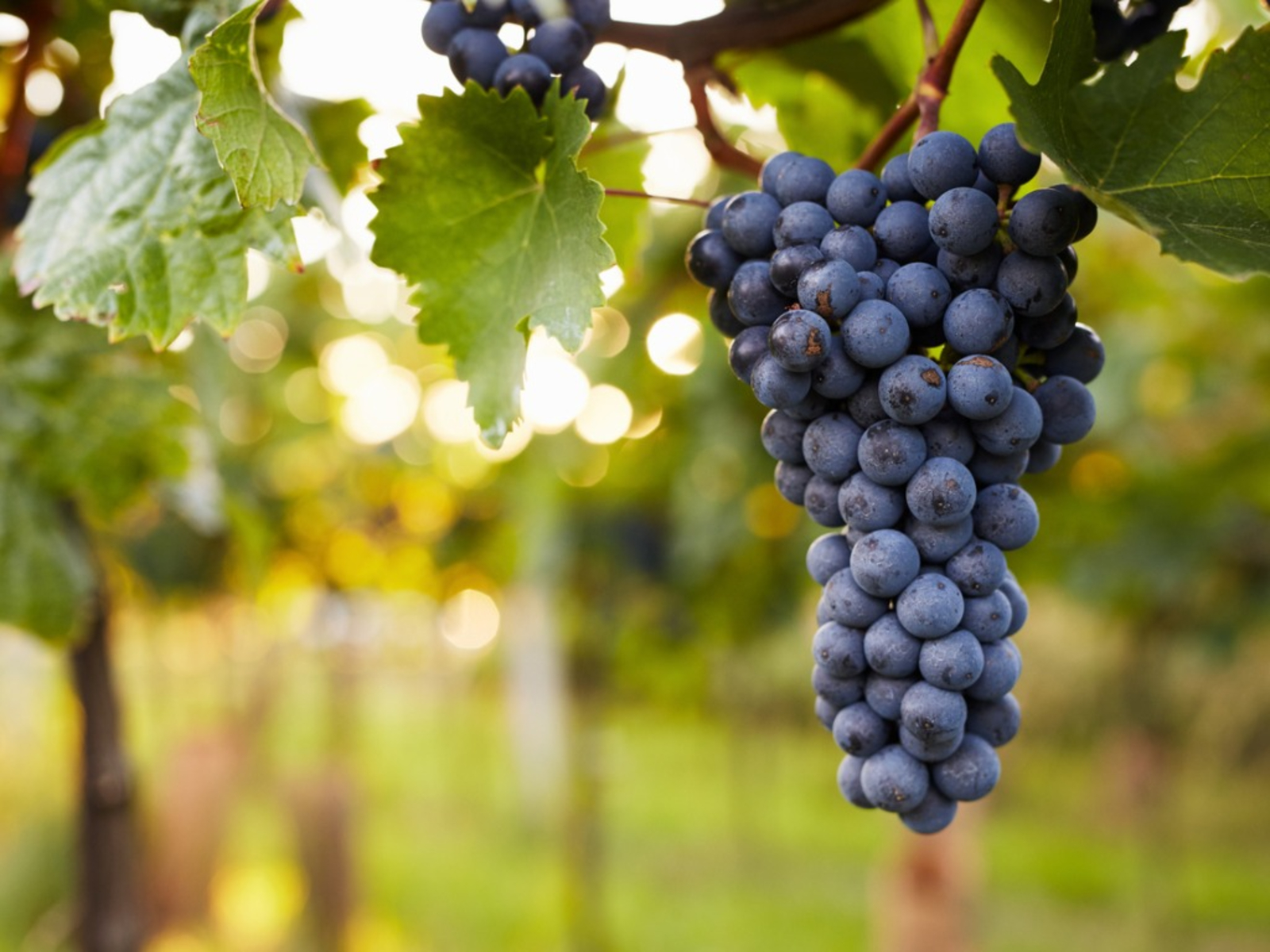
With our annuals, we may be able to dance around the frosts, but that isn’t the case with crops that are already in the ground, or, fruit-bearing trees and vines. Frosts won’t kill established vines themselves, but they can play havoc with flowering buds. Kill those buds, and there goes your crop for this year.
Global climate change has definitely created issues for vineyards. In some places, particularly in France, “bud-break” has been occurring earlier and earlier. In the past, Spring frosts may not have been as great a factor, as the buds weren’t far enough along to be affected; however, typical frosts common to early Spring can now be more harmful as the bud development is further along, making them more susceptible.
Crazy weather events can also be devastating, such as this past week’s unexpected huge thunderstorms that rolled through large parts of Ontario, as well as the tornado that slammed into Gaylord Michigan an hour south of the Mackinac Bridge. Imagine if you had been on that bridge, and the storm just a little farther north!
On April 27, the Wine Spectator reported that in the early part of April, killer frosts hit California and Oregon wine country. In Lodi, which supplies us with much of our Zinfandel, temperatures went from the 90s just days earlier to 5 hours of freezing temperatures, with some vineyards experiencing 100 per cent loss.
In Amador County, about 25 miles inland from the coast, some vineyards lost up to 60 per cent of their buds. Others may have fared better by pruning late to delay bud break, so the frost was too early to do too much harm.
Up in Oregon, in the Willamette Valley, an area that experienced significant smoke damage in 2020, unexpected late frosts have done considerable damage, in particular to the earlier budding Chardonnay and to younger vines which tend to bud sooner than mature ones.
Around the world, a number of interventions are used to combat frost in the vineyards. At Niagara-on-the-Lake, tall wind turbines have been employed to pull down the warmer layer of air coming off Lake Ontario to mitigate cold temperatures. In some places, helicopters have been used to the same effect.
Elsewhere, methods from bonfires and candles in the vineyards to spraying the vines to coat them in ice, to running electrical heating wires along the vines have been employed to counteract the effect of frost.
In some vineyards, giant sprinklers have been installed. When there is a risk of frost, the vines are sprayed throughout the danger period, coating the vines and buds in ice. As the water freezes, it releases heat to the vines, protecting the green tissue for at least a few hours, provided the temperature remains above -2° Celsius.
In the Australian Journal of Grape and Wine Research in June of 2009, a study explained how thermostatically controlled electrical heating wires wrapped around vines had a significant impact in protecting vines.
On a night when temperatures went down to -3°C, the following results were recorded. All non-heated vines suffered some form of damage or crop loss, losing over 40 of their buds. Low-heated vines lost 28 per cent, but medium and high-heated vines lost only 16 per cent and 13 per cent respectively, with no appreciable vine damage. Other studies show similar results. One concern, however, may be practicality, depending on vineyard size. There seems to be no doubt this is a good solution for smaller vineyards.
Considering how devastating frost damage to vineyards can be around the world, it really is interesting to learn the extent to which grape growers can and will go to protect their crops. I am thankful that they do. For now, though, I will just keep moving my tender annuals and potted plants in and out of the garage when needed, and wait for the full moon and the Feast of St Anthony to come around so that I can do my planting.
At the LCBO
The decision, at least through the summer, to go with just one in-store release and one online exclusive Vintages release per month is creating some need for adjustment both for buyers and for the stores themselves.
Usually, I have been able to access information regarding items on releases at least a couple of weeks ahead of time, which helps in providing readers with some suggestions. The next online exclusive release is June 2, but with just a week to go, there has been no indication of what to expect. Nothing yet as well regarding the June 18 in-store release which will feature wines of the southern hemisphere.
If May is any indication, having only one release per month is putting pressure on stores to find room to display the larger than the usual number of wines they are receiving at one time. At our Great Northern Road store, a good number of wines have been marked down by about 20 per cent to free up shelf space. It is a pretty good time for consumers to try some wines they might not normally consider.
Given that generally there aren’t large quantities of each of these mark-downs, I hesitate to make recommendations. Just go exploring.
Here are some suggestions from the May 21 release.
White
Parra Evidencia White 2020, $12.95, comes from Portugal’s Dao region. Crisp, dry and fruity, it will be an excellent summer white. It has been consistently well-received by critics, and obviously offers terrific value.
Garciarévalo Finca Tres Olmos Lias Verdejo 202, $13.95, from Spain has a great review from Ontario critic Rod Phillips, who tells us it is drinking beautifully now with well-defined flavours dominated by white-stone fruit along with a refreshing line of bright acidity.- 92.
Featherstone Four Feathers 2021, $14.95, has a solid following and will appeal to lovers of off-dry Rieslings. A blend of Riesling, Chardonnay, Sauvignon Blanc and Gewurztraminer, it offers oodles of fresh lime/lemon citrus and other tropical and orchard fruits, along with lychee and spice notes such as ginger, thanks to the Gewurztraminer.
Famille Perrin Réserve Côtes Du Rhône Blanc, 2020, $15.95, Ottawa writer Natalie Maclean explains that it is “fragrant with white florals, dried pineapple and citrus zest aromas, zesty and mouth-filling with ripe stone-fruit, soft citrus, ginger and mineral flavours on the palate. Chill and enjoy with roast chicken. – 90.
Rosé
Chateau Bellevue La Forêt Rosé 2021, $14.95, from the southwest of France, is elegant, dry and balanced with ample fruit reminiscent of strawberry and blackberry. It is vibrant with a lingering, pleasing finish.
Featherstone Rosé 2021, $15.95, from Niagara, earned great praise from winecurrent.com. “There are aromas of floral notes and berry fruit decorated with citrus and pizzazz galore. It blankets the palate with a full-Monty surge of delicious fruit - strawberry and cherry cordial adorned with piquant spice and passionfruit pizzazz. It lingers on the lip-smacking mouth-watering finish and aftertaste.” - 92.
Red
Xavier Vignon Côtes du Rhône 2020, $14.40, from France, is one of those ‘mark-down’ wines, with its regular price $17.95. jamessuckling.com calls it appealing with its “full blackberry fruit, generous body and positive herbal freshness.” – 91.
Ravanal Gran reserve Cabernet Sauvignon 2019, $15.95, from Chile is another wine championed by Suckling. It has “firm, fine-grained tannins and fresh acidity with concentrated layers of dark fruit and chocolate. Flavourful finish.” – 93.
Australia is well represented on this release, with the perennial favourites, Sister's Epiphany Shiraz 2019, $17.95, and the Zonte’s Footstep Chocolate Factory Shiraz 2019, $19.95 on the shelves.
You could kick it up a notch with the Hewitson Ned & Henry’s Shiraz 2019, $29.95, from the Barossa Valley. The palate is dense and super-concentrated with dark plum and blackberry favours swirling with a dark liqueur chocolate richness filling the background. Brilliant and bright, while still with that power and length. Super wine.”
Source - https://www.sootoday.com