Jamaica to import fruit and vegetables after Hurricane Melissa damages agriculture sector

27.11.2025 492 views

Record-breaking storm wipes out key crops and livestock, forcing government to plug urgent gaps in the food chain.

Jamaica will have to import fruit and vegetables following severe damage to the agriculture sector after Hurricane Melissa.

Agriculture Minister Floyd Green says the Caribbean country will have to import basic food items such as eggs, vegetables and fruits in the coming months to keep up with the demand from the population.

According to The Jamaica Gleaner, Green told Parliament that Jamaica’s agriculture sector has been adversely affected by the record-breaking Category 5 storm, and the estimated the financial loss is $29.5 billion.

Writing on X, he said: “The Ministry of Agriculture, Fisheries and Mining is moving fast to stabilise the supply of food.”

40,000 hectares of farmland affected

Over 40,000 hectares of farmland have been affected, which over 70,000 farmers impacted.

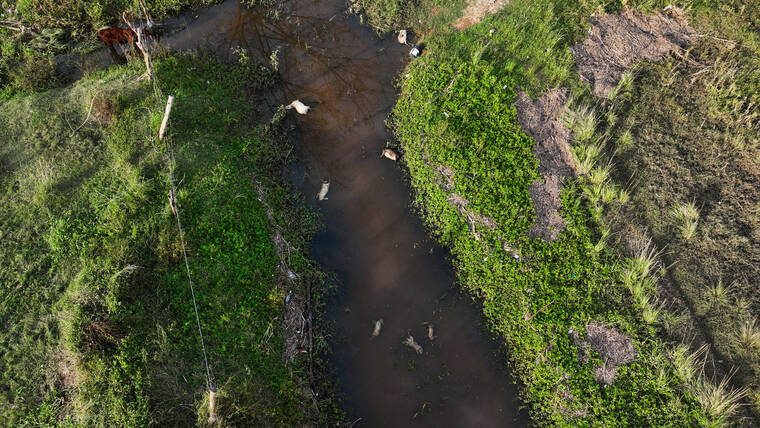
There has also been significant loss of livestock across the island.

Approximately, 1.2 million animals, including poultry and cattle, have been lost due to Hurricane Melissa.

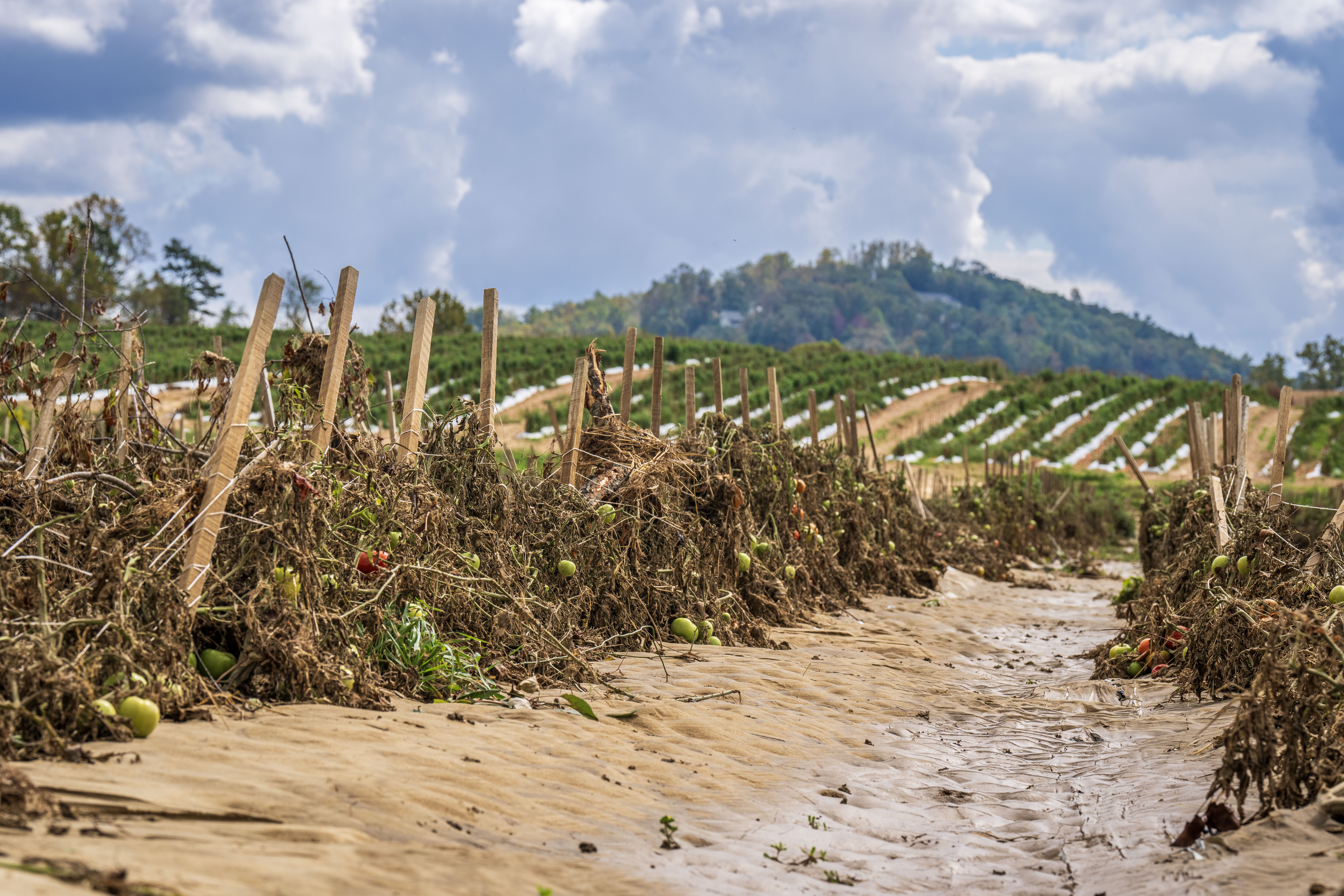
Additionally, Green said domestic crops saw losses of approximately 32,400 hectares of vegetable lines, with damages estimated at J$8.8 billion, affecting 47,500 farmers, the local newspaper reported.

Some of the crops that have been most impacted are tomato, lettuce, cabbage, sweet pepper and carrots.

There has also been a substantial loss of melon and cantaloupe plants.

Almost 2,450 hectares, of banana and plantain crops have been lost, at an estimated value of J$2.9 billion.

This loss has impacted 2,760 farmers.

Yam and cassava crops damaged

Fruit trees and Tuber crops such as yams and cassava, has also reported glaring damage.

Coffee has sustained a 40% damage to trees with a 40 – 45% loss of production, at an estimated value of J$800 million.

According to the agriculture minister, within the poultry sector, there has been J$2billion in damages.

Green also said Jamaica has lost 3,560 small ruminants, 5,600 pigs, and 2,850 cattle, with combined losses of J$3.1 billion.

Over 2000 bee colonies have been lost following the path of the hurricane.

Lat year, Jamaica faced a massive shortage of staple foods such as plantain and bananas following Hurricane Beryl.

Popular food crops in Jamaica, such as yam, cassava, breadfruit, ackee, mangoes and bananas, were all said to have suffered significant damage following Beryl’s hurricane-force winds and torrential rain.

“We have seen about 85% of our bananas and our plantain lines go down in Portland and St Mary,” Green said after visiting farms in the southern parish of St Elizabeth last year.


Source - https://www.voice-online.co.uk

30.06.2026

Poland faces smaller AJC crop while Turkey prepares for recovery

Poland's apple juice concentrate (AJC) crop faces the prospect of a sharply reduced harvest in 2026 following severe frosts, while Turkey is set for a strong recovery season after near-total losses a year earlier, according to market sources cited by Mintec.

30.06.2026

Canada - Excess moisture, flooding insured perils under AgriInsurance

Excessive precipitation across northern Alberta over the past several weeks has significantly impacted seeding progress for many producers and is causing fields to flood in some areas.

30.06.2026

India - Delta farmers seek special relief package as Kuruvai loss threatens incomes in TN

With water storage in the Mettur dam forcing a sharp decline in short-term paddy cultivation this season, farmers in the Cauvery Delta have urged the Tamil Nadu government to announce a special relief package and provide scientific guidance on alternative crops to help offset mounting losses. 

30.06.2026

CRDB Bank Deploys AI Nose-Print Technology to Shake Up Tanzanian Livestock Insurance

Tanzanian pastoralists are set to access a transformative digital insurance framework utilizing artificial intelligence to scan animal nose prints for rapid payouts.

30.06.2026

Philippines - WB grants $70M loan for farmers' climate-risk insurance

The World Bank is lending $70 million to the Philippines for a co-insurance pool that would protect small farmers and fisherfolk from the effects of climate change, according to the Department of Agriculture (DA) on Sunday.

30.06.2026

Insurance helps farmers protect livelihoods as climate shocks intensify

Insurance is helping farmers recover from droughts and floods before crises deepen – as climate shocks intensify and the shadow of El Niño threatens.

29.06.2026

USA - Revisions to livestock insurance programs take effect July 1

Revisions to the principal livestock risk management programs, as well as to crop insurance, take effect July 1.

29.06.2026

Raising Concerns About Crop Damage, Threatened Livestock, and Health Risks in Rural Brazil

The advance of wild boars across Brazilian territory worries the countryside due to economic loss, threat to biodiversity, and sanitary risk to livestock, especially in regions where crops and livestock are vulnerable to the species’ movement.