Japan - Apple growers face challenges as extreme heat persists

08.08.2024 536 views

More than 60% of Japanese apples are grown in Aomori Prefecture. Aomori Trading are located in Hirosaki-city, the main city of apple production. Aomori Trading have many varieties of apple including Fuji, Orin, Mutsu, Kinei, Sekaiichi, Shinano-sweet, Shinano-gold, Meigetsu, Toki and more.

"We do not grow any exclusive varieties," explains Hideo Obori from Aomori Trading. " But the right to use the Hello Kitty logo for Japanese apples is exclusive for us with the official licence contract with SANRIO."

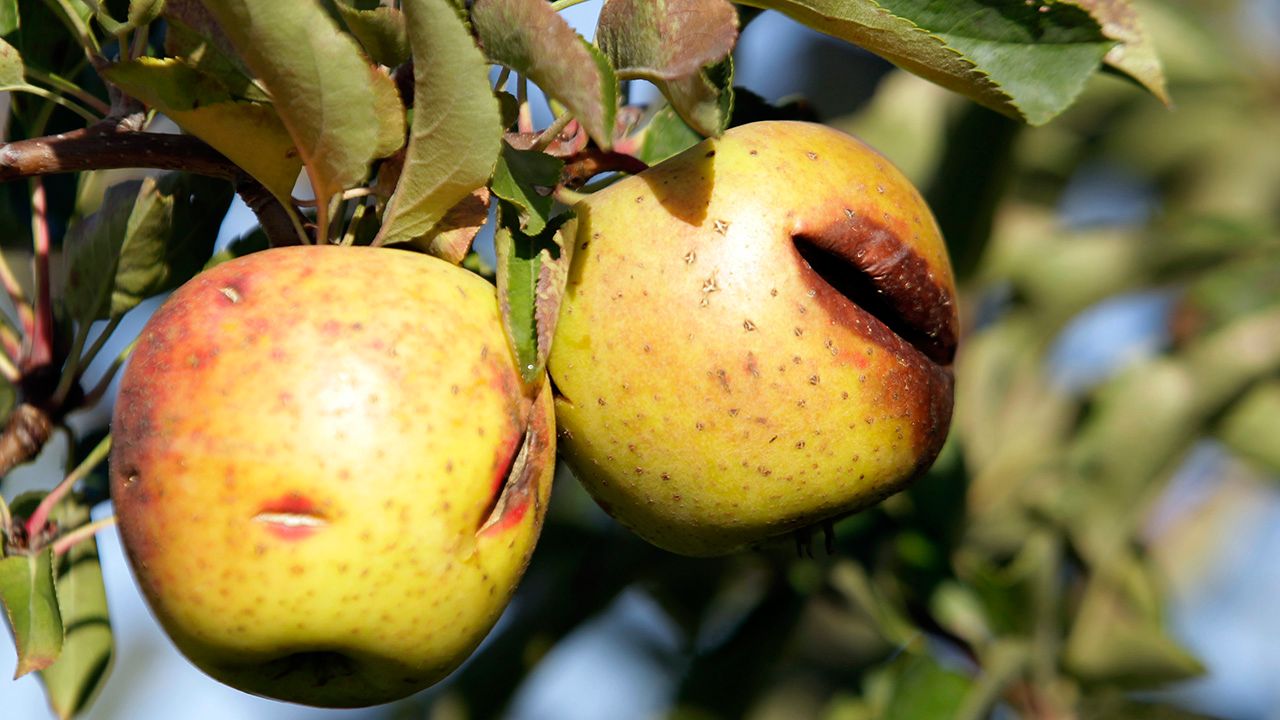
"In the summer of 2023, the UN chairman said: 'The era of global boiling has arrived.' Aomori Prefecture was hit by extreme heat. As a result, apple production decreased by approximately 20% due to various problems such as apples on trees falling naturally before the optimum harvest time, sunburn damage, damage from harmful animals, and frequent outbreaks of pests and diseases. Last year's extremely hot weather has also affected this year's crop, resulting in slow bee activity, which is necessary for pollination, and a decrease in fruiting. We are also worried about the effects of the extreme heat, which is expected to continue this year." 

The main market for the export of Japanese Aomori apples is Asian, but Mr Obori said that their mission at Aomori Trading is to develop new markets. "We have exclusively exported to North America for years and to the UK for the first time last season. We keep developing the markets aggressively."

"Our different markets require different requirements. For example, the markets where Chinese apples are very common require large size and rare varieties. The Taiwan market prefers the Fuji variety."

Source - https://www.freshplaza.com

09.07.2026

Philippines - Cebu farmers urged to insure crops, report any Kanlaon ashfall damage

Farmers in Cebu were urged to insure their crops and promptly report any ashfall-related damage after volcanic ash from Kanlaon reached parts of the province on Thursday, July 9.

09.07.2026

Canada - ‘Yellowing and drowned out crops’ follow heavy rainfall in Saskatchewan

Producers in Saskatchewan are starting to see the effects of the heavy rainfall the province has received in recent weeks.

09.07.2026

CLIS+: transforming agricultural risk protection in Pakistan

Agriculture remains the backbone of Pakistan’s economy, contributing nearly one-fourth of gross domestic product (GDP), employing around 40% of the labour force and supporting millions of rural households. 

09.07.2026

India - Arunachal: Fresh floods, landslides damage houses, crops; IMD forecasts dip in rain from Friday

Houses, roads and crops were damaged as fresh floods and landslides were reported across six districts of Arunachal Pradesh, officials said on Thursday.

09.07.2026

Kenya - Community mobilisers for livestock project expected to benefit 375,000 pastoralists unveiled

Community mobilisers for the De-Risking Inclusion and Value Enhancement of Pastoral Economies (DRIVE) project, expected to benefit 375,000 pastoralists and their dependents in Kenya, were unveiled on Thursday in Wajir County.

09.07.2026

India - Rainfall Drops 30%: Dharwad Disaster Review Highlights Water, Crop Insurance, Health Risks

Officials and lawmakers gathered in Dharwad, Karnataka, on Saturday for a disaster management progress review meeting. The session at the Zilla Panchayat hall focused on monsoon shortages, drought fears, and farmer challenges across the district.

08.07.2026

EU’s livestock strategy aims to tackle animal welfare, finance, disease challenges

The European Commission has adopted its first EU Livestock Strategy alongside a Protein Action Plan, setting out measures it says will help the livestock sector deal with economic pressures, animal disease risks, environmental requirements and shifting markets.

08.07.2026

Sri Lanka - Rs. 12 billion in crop damage compensation paid to over 200,000 farmers

The Agricultural and Agrarian Insurance Board has announced that crop damage compensation totaling Rs. 12,341.5 million has been paid to 202,025 farmers affected by last year’s Cyclone Ditwah.