The Eurasian Development Bank (EDB) has released an analytical report on food security and the agro-industrial potential of the Eurasian region. The report forecasts that Kazakhstan will be the leading producer of food surpluses through 2035, primarily due to its expanding grain production.
Countries in the region face significant challenges, including land and water shortages and more complex economic conditions, which will increasingly force them to rely on food imports.
“By 2035, food self-sufficiency in Central Asia is unlikely to see substantial improvement, with some countries potentially experiencing a decline. Agricultural development will be hampered by limited land availability, water shortages, and slow technological advancements, while rapid population growth will further strain agriculture and food security,” reads the report.
If state programs are effectively implemented, Kazakhstan could enhance its food security to 127-143%, while the Kyrgyz Republic and Uzbekistan might witness some progress. However, Tajikistan’s food security is expected to decline to 53%.
Regional self-sufficiency
According to experts, self-sufficiency levels in the Eurasian region, comprising the five Eurasian Economic Union (EAEU) countries, Tajikistan, and Uzbekistan, range from 80% to 95%.
The highest self-sufficiency is seen in grains (132%) and oilseeds (151%), while the lowest is in fruits (65%). However, these countries have notable disparities in food production and consumption.
Southern nations excel in producing fruits and vegetables, while the Kyrgyz Republic, Tajikistan, and Uzbekistan face challenges with vegetable oils, grains, and sugar production. Kazakhstan also struggles with sugar production and fruits and berries.
Despite advancements in food security, the Kyrgyz Republic and Tajikistan remain reliant on food imports, making them net importers of food products. In contrast, Kazakhstan is the only net exporter in terms of energy value, yet Central Asia remains food-deficient.
The region’s diet is also imbalanced, dominated by cheap plant-based products. Per capita consumption of certain foods falls below the norms accepted in Central Asian countries, particularly in Kazakhstan and Tajikistan for dairy, meat, fruits, and vegetables, and in the Kyrgyz Republic for meat, fish, eggs, and vegetable oil.
Climate change impact on agriculture
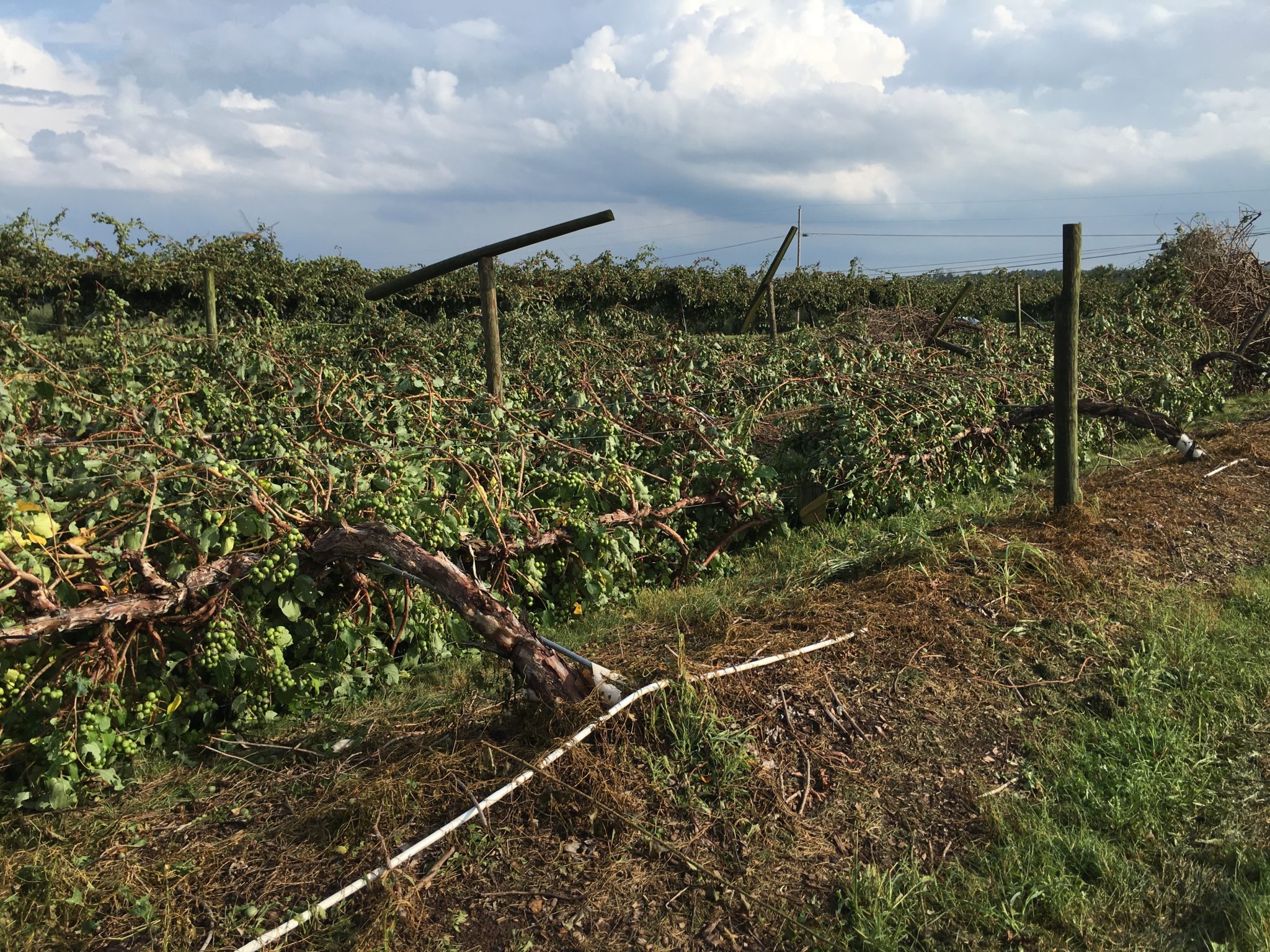
Central Asia is highly vulnerable to climate change, with temperatures rising faster than the global average. Over the past three decades, average annual temperatures have increased by 0.5 degrees Celsius, projected to rise by 2.0-5.7 degrees Celcius by 2085. Climate change threatens agricultural production and food security, with glacier shrinkage potentially reducing river flows and soil drying, leading to significant crop yield reductions. Soil drying could lead to a 30-50% reduction in crop yields.
Natalia Kilyazova, the head of the Department of Feeding Pastures at the Kyrgyz Research Institute, spoke about the multifaceted impact of global warming.
Kilyazova noted that climate change affects crop selection, as many plants have specific temperature requirements for healthy growth, potentially limiting their cultivation.
“Changes in precipitation patterns, influenced by climate change, can also have significant effects: droughts due to insufficient rainfall can result in total crop loss. In contrast, excessive rainfall may cause flooding or soil erosion. Additionally, shifting temperature regimes can promote the spread of pests and diseases, further reducing crop yields,” she said.
Agricultural support in Kazakhstan
The Kazakh government is making significant investments in the agricultural sector, with 1.2 trillion tenge (US$2.5 billion) allocated in 2023 for subsidies, loans, and investment projects. A key initiative is introducing a unified state information system for subsidies, which is free for farmers and integrated with all government databases. The system includes waiting lists to ensure that small and medium-sized farms have fair access to subsidies. Additionally, farmer greenhouses can apply for subsidies to cover electricity, gas, and coal expenses during the off-season for growing vegetables in covered areas.
The Auyl Amanaty (The heritage of the village) program, which aims to boost rural incomes by developing agricultural cooperation, will receive 100 billion tenge in 2024.
In the first half of the year, 410 billion tenge (US$854 million) was invested in the agricultural sector, with a total of 1.7 trillion tenge (US$3.5 billion) planned for the year. Since the beginning of the year, over 50 investment projects worth more than 30 billion tenge (US$62.5 million) have been launched in Kazakhstan’s agricultural sector.
The government has also approved a comprehensive plan to increase the share of processed products to 70% by 2028, with a total investment of 372 billion tenge (US$775 million). Of this amount, 150 billion tenge (US$312.5 million) will be dedicated to investments, while 222 billion tenge (US$462.5 million) will support working capital.
Regional cooperation for food security
According to the report, ensuring national food security must remain the top priority for agricultural and food policies in Central Asian countries. While increasing agricultural exports could help fully utilize resource potential and positively impact rural economies, it should be treated as a secondary goal to avoid compromising food security.
Climate change is expected to play a pivotal role in future agricultural development for the region’s arid countries, potentially reducing crop yields and livestock productivity. Adapting to these changes through land reclamation and water-saving technologies will be crucial for maintaining agricultural productivity.
The experts highlighted the significant challenges Central Asian countries face in ensuring food security. However, they also see potential for long-term solutions through enhanced cooperation under the new framework approved by the Central Asia Regional Economic Cooperation Program. This framework emphasizes three key areas: sharing best agriculture practices, collaborating on food production and supply chains, and expanding trade by improving food safety systems. Addressing these issues could attract direct foreign investment in the region’s food industry, boost supply, meet food needs, and expand markets beyond Central Asia.
Experts widely agree that comprehensive regional cooperation is essential to effectively addressing food security challenges. Although the countries already collaborate and have signed numerous agreements, further strengthening cooperation in areas such as cargo transit, industrial production, and energy could bolster the region’s resilience, particularly in food security matters.
Source - https://astanatimes.com