Residents of arid and semi-arid lands (Asals), who were affected the most by drought, are likely to be hit hardest by the El Niño rains.
East African Community, Asals and Regional Development Cabinet Secretary Rebecca Miano yesterday (Monday) said that while various parts of the country will experience heavy rains, Asals are more vulnerable.
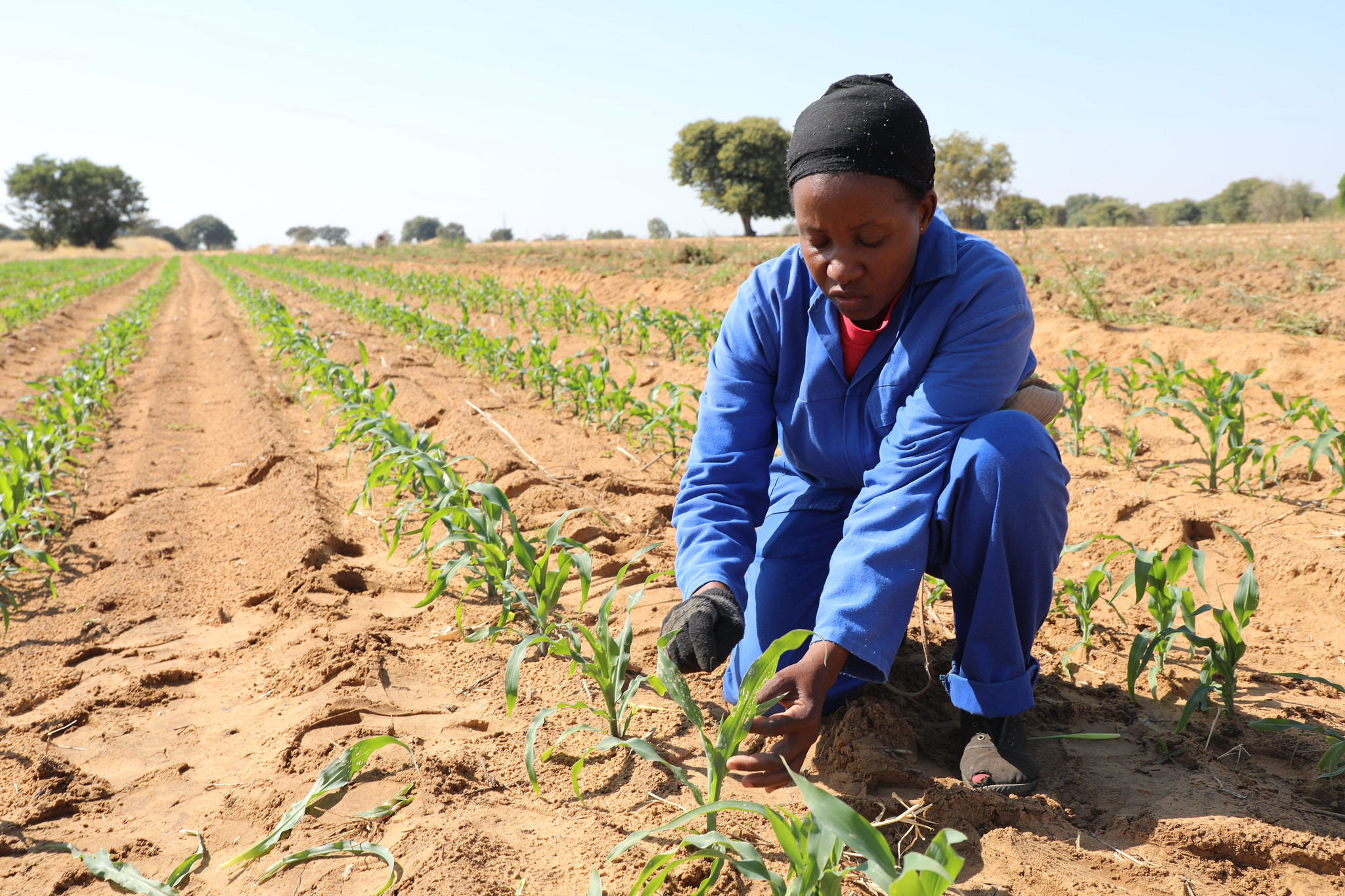
"The current forecast shows over 90 per cent probability of an El Niño with above normal rainfall expected in various places in the coming days. The Asals are more vulnerable due in part to thei terrain and the impact of five consecutive failed rains that lasted until March this year, by which time livestock mortality had severely weakened the livelihoods of most communities," Ms Miano said in a statement.
Marsabit, Turkana, Baringo, Samburu, Wajir, Garissa, Tana River, Kilifi, Kwale, Taita-Taveta, Mandera, Narok and Isiolo counties are likely to experience flooding, while Elgeyo-Marakwet and West Pokot are at risk of landslides.
Ms Miano explained that when the rains begin, county governments and partners will need to be on alert to conduct search and rescue operations, and to provide food and essential non-food items.
They will also monitor disease outbreaks, conditions of roads, bridges, schools and boreholes, and monitor students and teachers in schools and evacuate them to safer areas if necessary.
However, as they prepare, county governments and partners have been advised to review contingency plans, sensitise communities, restock households that lost livestock during the drought, provide humanitarian supplies, and stockpile food and non-food items.
They have also been asked to support vaccination and deworming of children and livestock, build water harvesting structures, provide storage facilities and clear blocked water channels.
According to the Kenya Meteorological Department, the El Niño rains will have a major impact on the agriculture, water, environment and energy sectors.
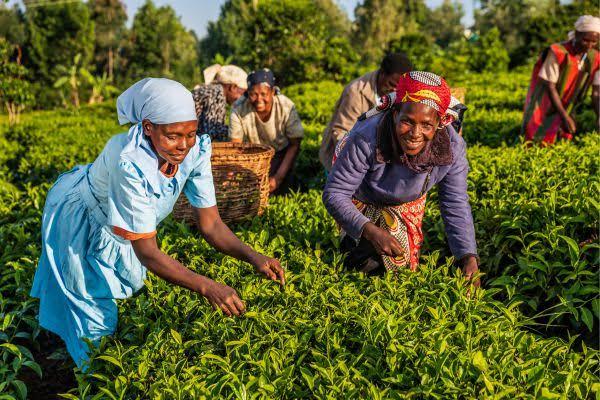
In the agricultural sector, there are fears that the rains will increase crop and livestock pests and diseases, lead to pre- and post-harvest losses and contamination, and destroy agricultural infrastructure and roads.
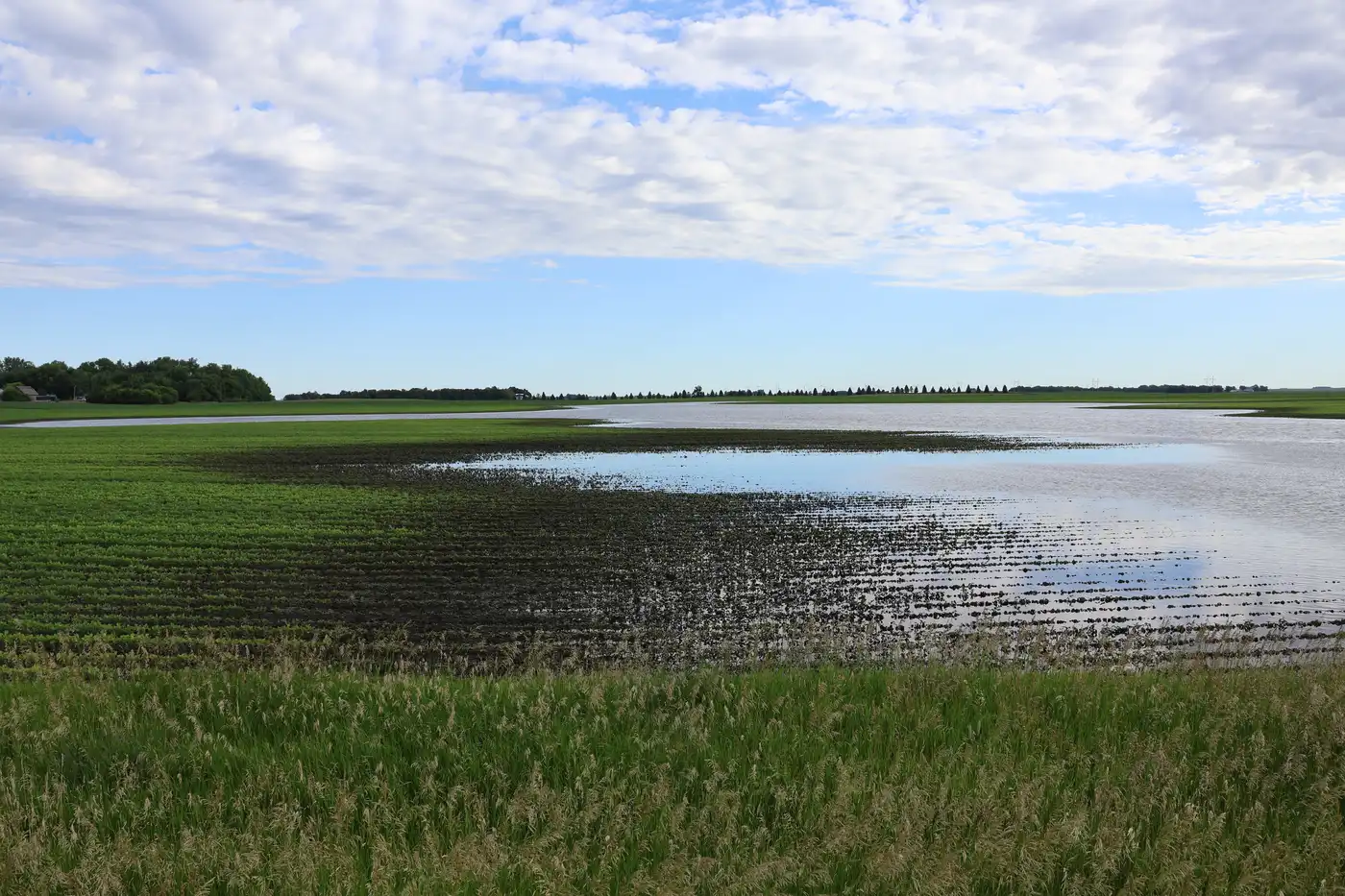
"Flooding and flash floods are likely, particularly along the coast the southeastern lowlands, the Lake Victoria basin, parts of the central and southern Rift Valley, the north-eastern and northwestern parts of the country, and urban centres with poor drainage
systems.
"This could lead to destruction of property, loss of life and displacement of people. Landslides and mudslides are likely in some parts of the highlands west and east of the Rift Valley, central and south Rift Valley and the southeastern lowlands," the Met said.
The department added that heavy rainfall could lead to rising water levels in rivers, lakes and dams, as well as backwater in lakes. It also warned of a possible outbreak of desert locusts in some parts of the country and infrastructural damage.
Further, the Met predicts that respiratory illnesses, such as asthma, may increase due to prolonged periods of cold weather, and that those who are displaced or lose properties of flooding, may develop mental health problems.
"Increased rainfall will increase the incidence of landslides and mudslides, which may lead to land degradation. Increased wind gusts are likely to damage trees and forests, tree seeds and seedlings," says the Met.
During the long rain season from March to May this year, Unicef recorded a countrywide increase in cholera cases from 4,821 by February 14 to 11,694 by the end of June.
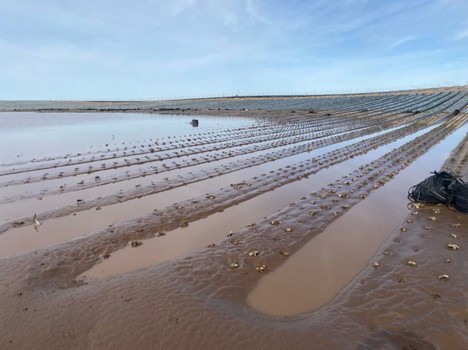
Some 22,569 households from 32 counties were displaced by flooding, and 36 deaths reported. In addition, 7,568 livestock died, 335 latrines were flooded, 23 water sources were damaged and
15,000 hectares of land were destroyed.
The Kenva Red Cross estimates that around 100,000 households will be directly affected by the El Niño rains.
Source - https://nation.africa