Bees are important pollinators but they are under threat from habitat loss and farming practices.
In Kenya, environmental scientists are calling for a new multidisciplinary approach that involves farmers, beekeepers and environmentalists.
Their call coincides with World Bee Day 2022, where the United Nations Food and Agriculture Organization celebrates the diversity of bees and beekeeping systems.
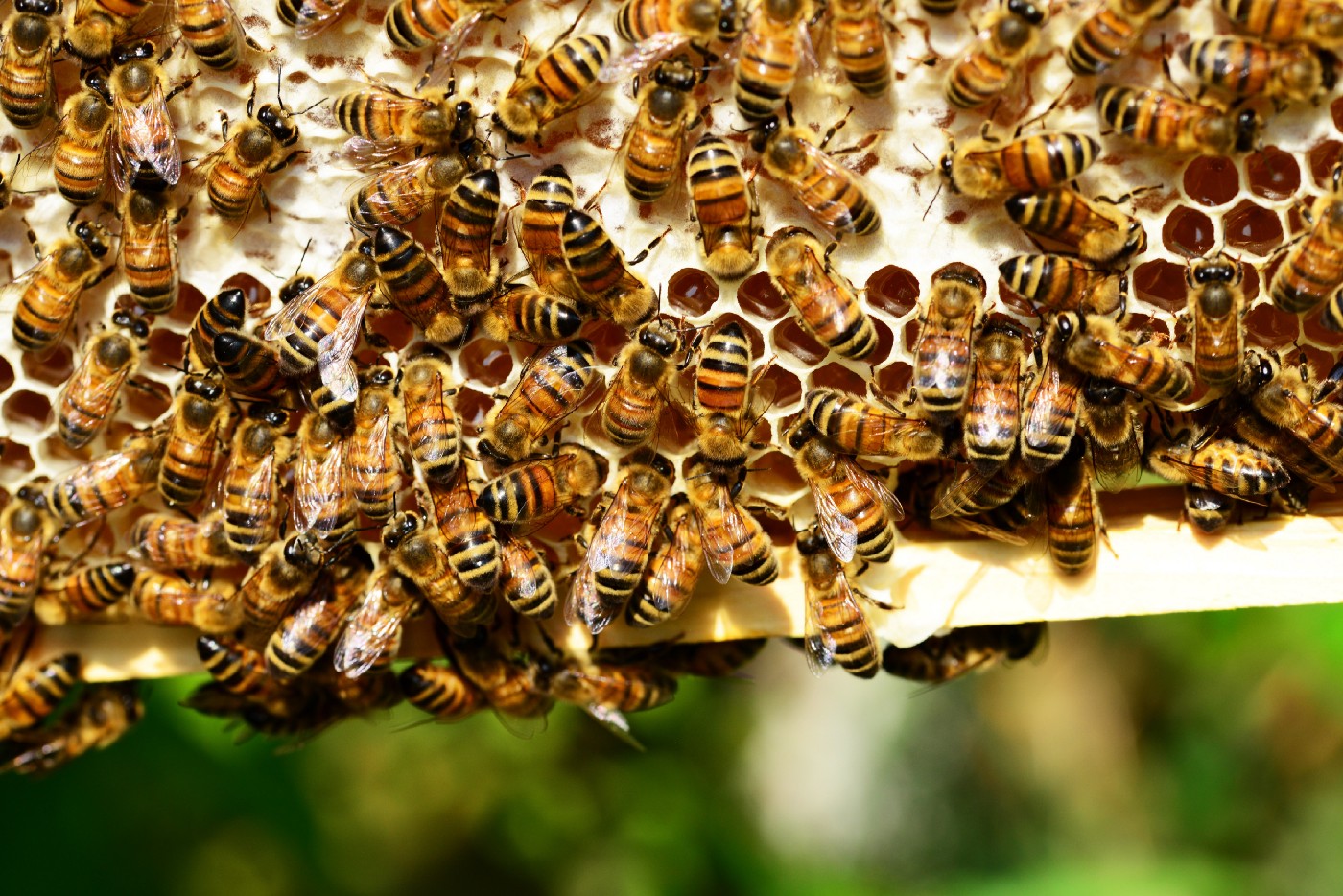
Samuel Mwaniki, is a beekeeper in Kitui County, Kenya. He says that lack of rainfall and the use of pesticides to combat 2021's locust invasion devastated his hives.
"Besides me is my apiary which has over 20 hives. Both hives were colonized and in the last year we had challenges," he explains.
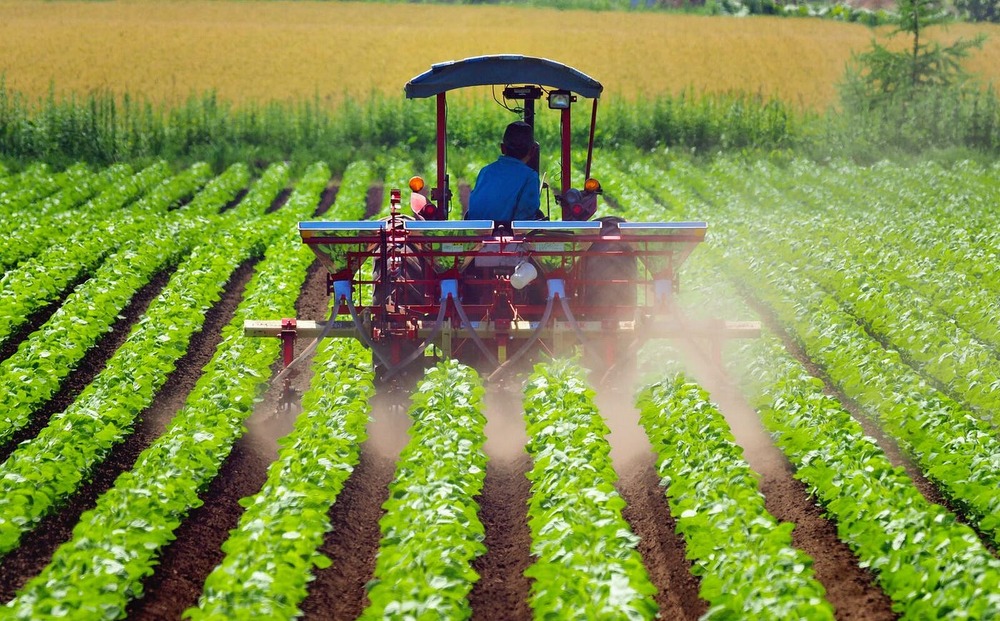
"It did not completely rain due to the climatic change, plus we had a locust invasion. The mechanisms which were used for their control were by spraying which affected the beekeeping. And again the use of the pesticides by the farmers around, I can attribute that to the loss of my colonies."
About 90 per cent of the world's wild flowering plant species depend on pollination, along with more than 75 per cent of the world's food crops and 35 per cent of global agricultural land, according to the UN's Food and Agriculture Organization (FAO).
The FAO says between $235 billion and $577 billion worth of annual global food production relies directly on pollinators.
Over the past 30-plus years, pollinator populations have crashed worldwide due to a variety of reasons, including pesticide and herbicide exposure, invasive pests and diseases, loss of habitat, loss of species and genetic diversity, and a changing climate, scientists say.
Pesticide contamination is widespread, and even sub-lethal levels can impact pollinators' foraging ability and hive productivity.
In 2021, East Africa suffered from its worst locust outbreak in 70 years.
But in one location people harvested the bugs rather than spray them with pesticides.
They sold them to a company called Bug-Picture, which turned them into animal feed and fertiliser.
Some of the ground locusts were taken to JKUAT(Jomo Kenyatta University of Agriculture and Technology) where they were milled and mixed with other experimental diets.
This is the type of approach that environmentalists hope will become more commonplace.
Almost 35 per cent of all invertebrate pollinators, particularly bees and butterflies, are facing extinction, according to the United Nations.
World Bee Day is marked on May 20th each year to raise awareness about the importance of bees both in the natural environment and for humanity.
Source - https://www.africanews.com