In the intricate web of global economies, agriculture stands as a fundamental pillar, providing sustenance, livelihoods, and economic stability.
In Kenya, agriculture directly accounts for 21.2 per cent of the country's overall Gross Domestic Product and an indirect contribution of 27 per cent through its linkage with other sectors. It is also worth noting that the sector contributes to at least 65 per cent of Kenya's export earnings, with horticultural exports being among Kenya's key agricultural exports.
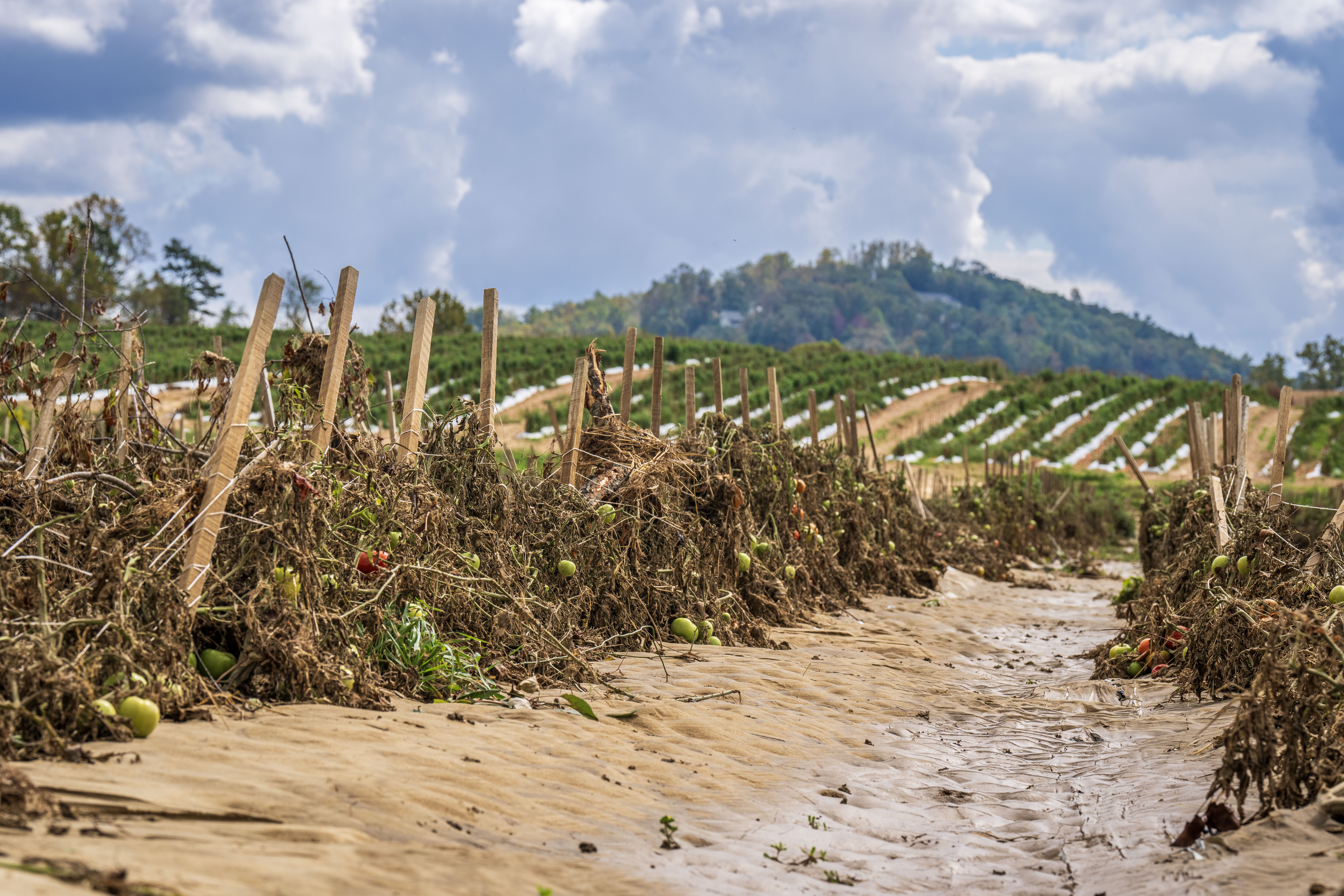
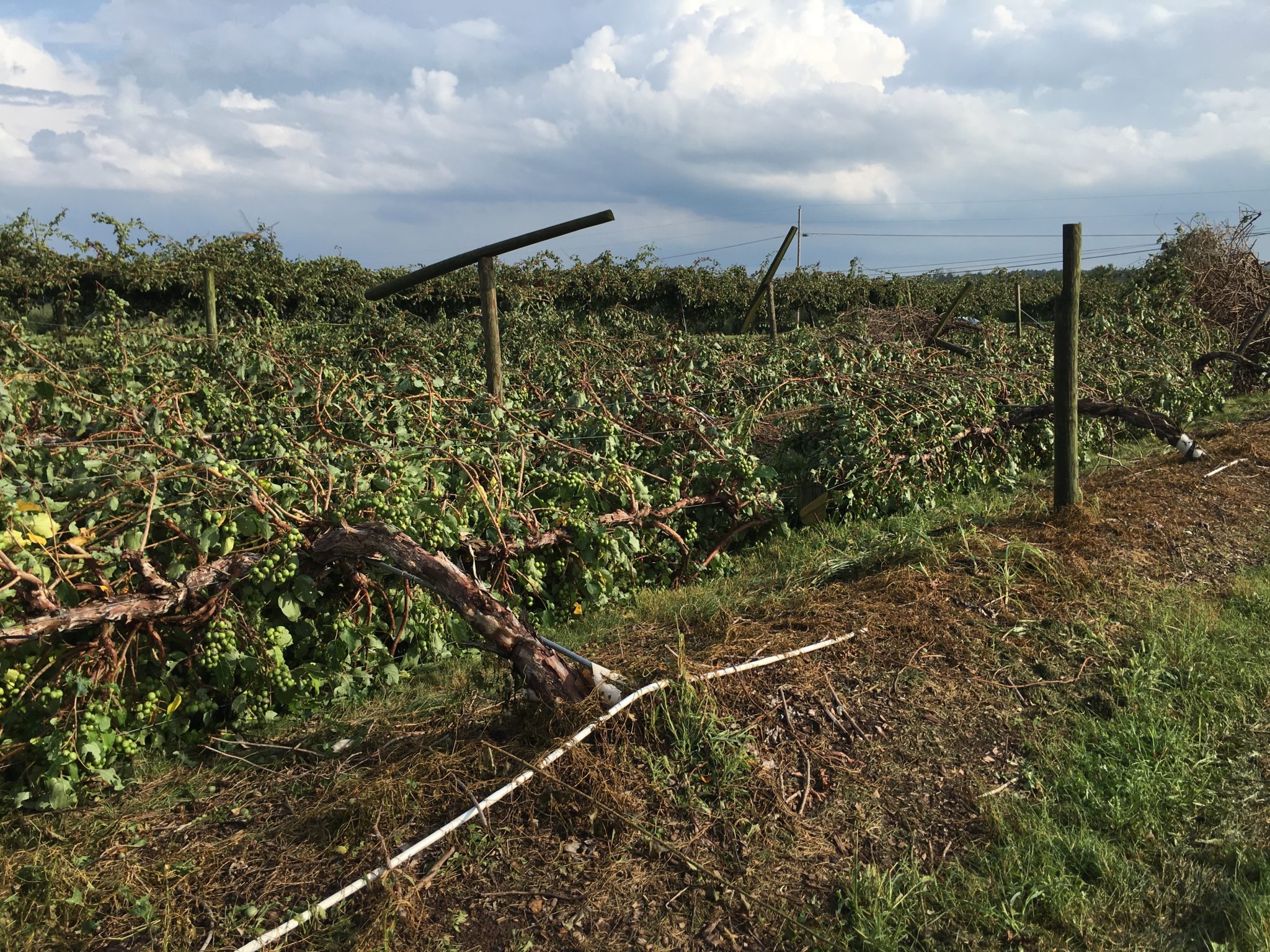
Despite its immense contribution, this vital sector faces a myriad of challenges. From unpredictable weather patterns to market fluctuations, the risks are ever-present, threatening livelihoods and food security.
Moreover, post-harvest losses further exacerbate the challenges faced, leading to significant economic losses. For example, reports by the Fresh Produce Consortium of Kenya indicate that nearly 40 per cent of the food produced in the country's horticultural value chain is lost either through poor post-harvest handling, knowledge gaps on best practices, and improperly structured markets.
Top investments that will give you quick high returns
In the face of such uncertainty, building resilience within the agricultural value chain is not just a necessity but a strategic imperative.
Our agricultural value chain, which comprises a diverse array of actors, from smallholder farmers to agro-processors and exporters, is interconnected, and the resilience of each impacts the entire system. However, the vulnerability of these actors to various risks threatens the stability and sustainability of the entire value chain.
In this context, insurance emerges as a powerful instrument for mitigating risks and enhancing resilience across the agricultural value chain.
To cover climate-related risks affecting this sector, agriculture insurance, for instance, provides farmers with financial protection against adverse weather conditions. By compensating for crop losses, this type of insurance helps farmers recover from setbacks and maintain their livelihood. thereby ensuring food security and stability in rural communities.
Furthermore, insurance solutions tailored to other actors in the agriculture value chain such as farm input suppliers, transporters, and agro-processors play a vital role in safeguarding against operational risks. For instance, business interruption insurance can help agro-processors mitigate losses stemming from supply chain disruptions or equipment breakdown, enabling them to recover swiftly and resume operations.
Beyond risk mitigation, insurance also facilitates access to credit for agricultural stakeholders.
Lenders are more inclined to extend credit to farmers and agribusinesses equipped with insurance coverage, as it reduces the lender's risk exposure.
However, despite its undeniable benefits, insurance penetration within Kenyas agricultural value chain remains relatively low. Several barriers, including low awareness, affordability concerns, and inadequate infrastructure, impede the uptake of insurance among smallholder farmers and other stakeholders.
Addressing these barriers requires concerted effort from policymakers, insurers, and other stakeholders to promote financial literacy, develop innovative insurance products, and enhance the accessibility of insurance services.
In 2020, we saw the Kenyan government partner with six local underwriters, including CIC Group, in the Crop Insurance Programme (CIP), with international backing from Swiss Reinsurance Company, to release KShs 117.5 million (US$1.08 million) in compensation to 25,000 smallholder farmers in 27 counties for climate-related crop losses. Strengthening such partnerships is essential for scaling up insurance solutions tailored to the needs of Kenya's agriculture value chain.
Furthermore, government support in the form of subsidies, incentives, and regulatory frameworks, can incentivize insurers to expand their offerings and reach underserved segments of the agricultural sector.
Collaborations between insurers, agribusinesses, and farmer organisations can also facilitate the co-creation of insurance products that address the specific needs and challenges faced by different actors within the value chain.
In conclusion, insurance serves as a linchpin in building resilience within Kenya's agricultural value chain. By providing financial protection, enhancing access to credit, and fostering risk management practices, an insurance approach will enable farmers, agribusinesses, and other stakeholders to withstand shocks and seize opportunities for growth.
Source - https://biznakenya.com