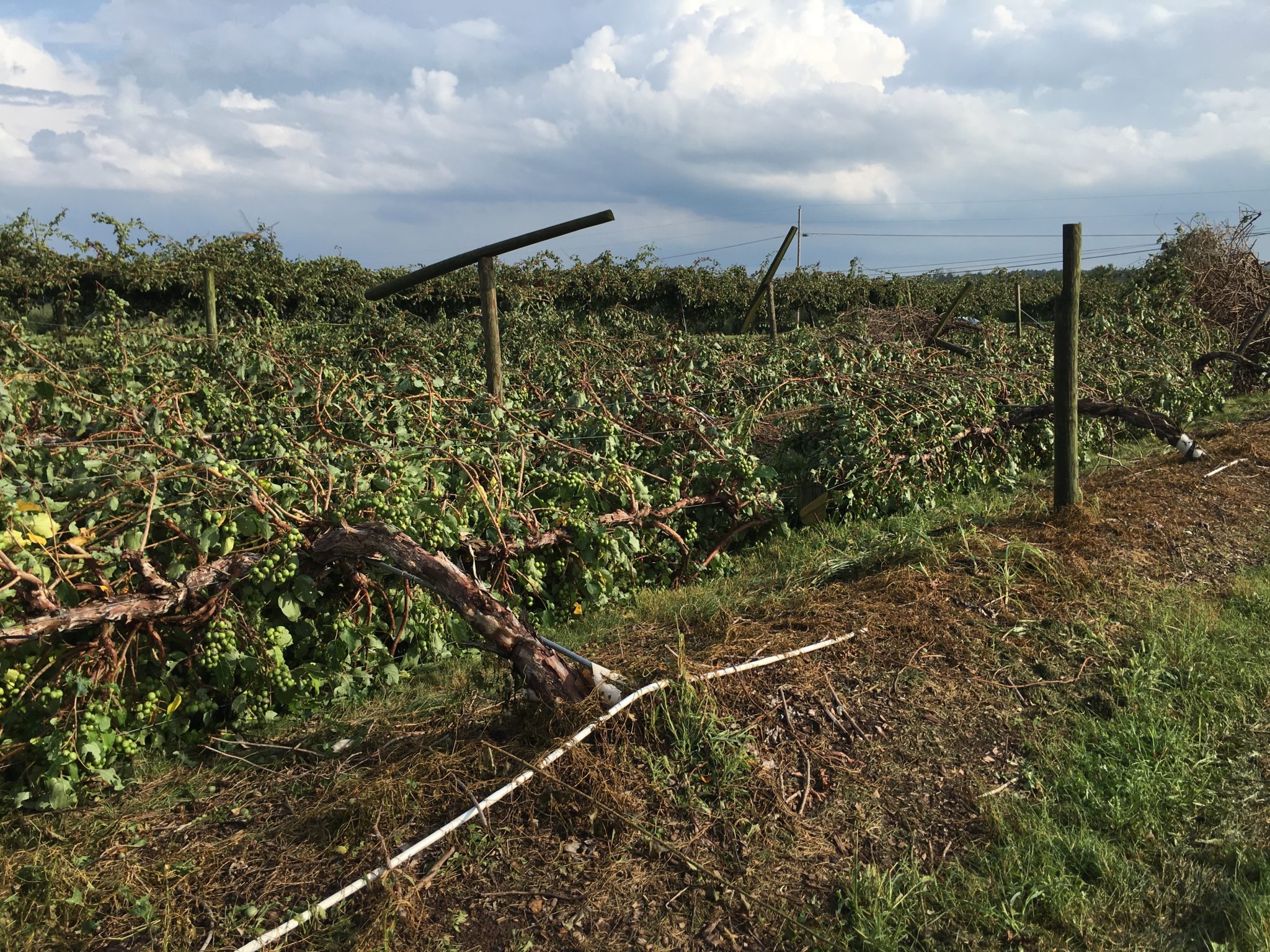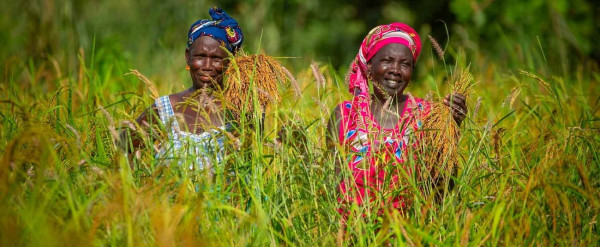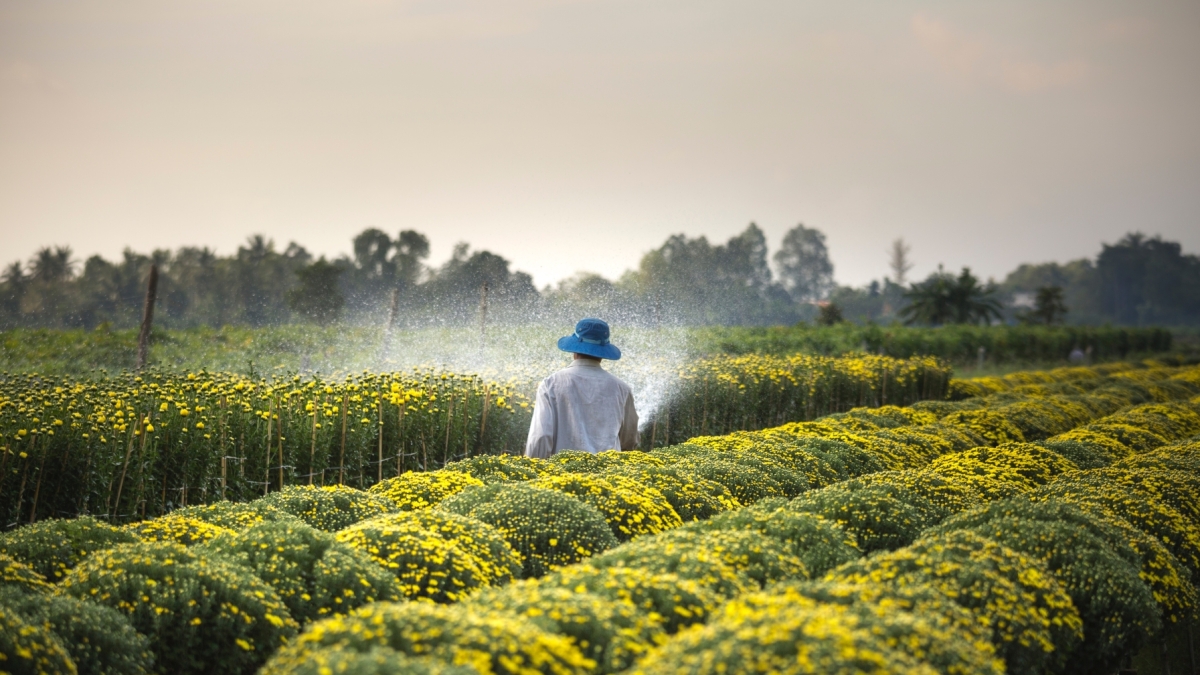
Angered by Yoon Suk-yeol’s government policies favoring agricultural destruction and farm-related suicides, peasants nationwide gathered outside the National Assembly of the Republic of Korea on July 4th. They were convening a National Congress to address an existential crisis in rural areas. The protesting peasants called for improved national policies to protect the interests of small-scale food producers amidst climate crises, crop losses, rising input costs, and price volatility.
Over 3,000 people reportedly attended the National Peasant Congress. Tensions escalated as police blocked farm machinery entry, leading to physical confrontations where one peasant was injured. Korean Peasant League and the Korean Women Peasants’ Association that participated in the protest also report that a young peasant leader has also been arrested and detained by the police.
“At this rate, both farms and peasants will perish soon,” exclaimed one protester. They particularly criticized the government’s import tariff reductions, which they argued destabilized prices and flooded the market with imported agricultural products. Jeon Jin-gu, Chairperson of the Jeonno Chungnam Provincial Federation, highlighted this concern: “When apple prices rise, ‘golden apples’ are imported; when onion prices rise, onions are imported.”
Speaking to People’s Voice news outlet, peasant union leaders at the Congress, representing various producer associations, highlighted widespread price declines:
Kim Chang-soo of the National Garlic Producers Association explained, “This year, garlic couldn’t withstand the warm and humid winter, causing cloves to split and resulting in ‘bulb-less’ garlic. Disease and pest problems were severe. Despite our efforts, the cost of producing 1 kg of garlic reached 4,500 won, while auction prices were only 3,830 won.”
He continued, “Failed price policies have raised production costs and reduced harvests due to inadequate disaster prevention measures. Why should peasants bear this burden alone? It’s unjust.”
Nam Jong-woo of the National Onion Producers Association noted, “This year, retail prices for onions reached 13,000 won for 20 kg. Considering the labor and production costs, this is unsustainable. The influx of imported onions has decimated domestic prices since last year.”
Kim Myung-ki of the National Rice Producers Association lamented, “Rice prices have hit a 45-year low since the crisis two years ago. Last October, 20 kg of rice exceeded 54,000 won, but now it’s dropped to 46,000 won. Without addressing the 5% tariff quota allowing 400,000 tons of imported rice annually, peasants face dire prospects.”
The protesting peasants presented demands, including comprehensive national measures against climate disasters, halting excessive tariff rate quota allocations, revising the Grain Management Act, enacting a Basic peasants’ Law, supporting agricultural materials, ensuring production cost coverage, legal status for women peasants and implementing public procurement for major agricultural products.
The peasants also expressed frustration with police restrictions on their entry into the city and refusal to allow tractor access. At the Assembly, women peasants dressed in white symbolized the plight of dying farms and livelihoods.
Source - viacampesina.org