Latin America and Caribbean face growing climate change risks

16.09.2022 1271 views

Latin America and the Caribbean face multiple and increasingly frequent risks from a changing climate, ratings agency Moody's Investors Service said on Thursday, with the risks highest for the region's energy and extractive sectors.

The dangers include sea level rise, unprecedented fires, droughts, floods and extreme weather, "with dangers to credit quality across various geographic regions and industries," Moody's said.

The ratings agency added in a report that episodic hazards such as hurricanes, wildfires and floods can be severe, concentrated, and sometimes immediately damaging to profitability and cash flow, and therefore to ratings.

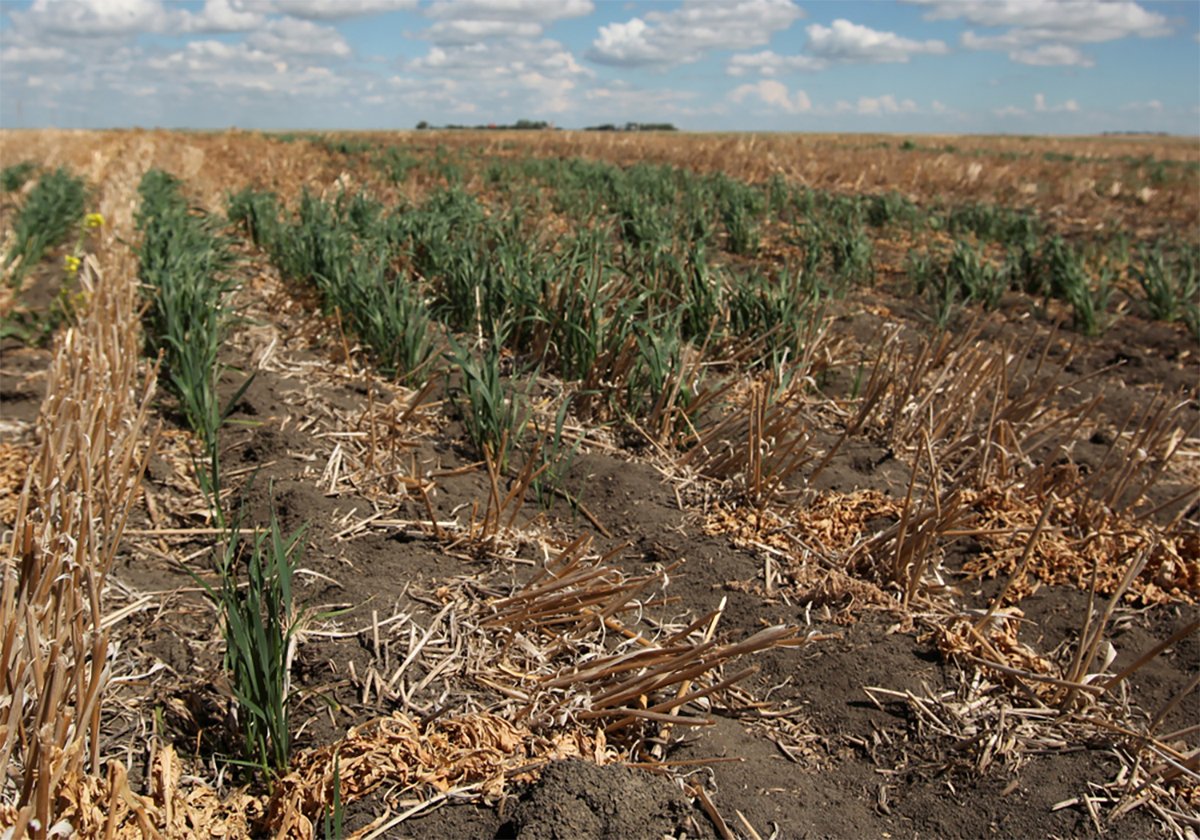
In Brazil climate change is threatening crop loss and productivity, while changes in rainfall, heat waves and droughts are upsetting grain production and trade in Argentina, the report added.

Argentina's main farming zones are facing the driest conditions in around 30 years, agricultural and weather experts said, raising fears about a new "great drought" and stalling planting of corn in the world's No. 3 exporter of the grain.

Mexico's agricultural producers are susceptible to weather-related events that affect the harvest of corn, the country's biggest crop, while water stress is complicating Chile's mining, agriculture and hydropower operations, said Moody's.

Other water-intensive industries such as beverage producers will face higher costs from increasing water scarcity and droughts.

In Peru, floods and rising sea levels pose direct threats to the Andean nation's fishing, protein and agriculture sectors, while its mining sector faces some risk from geographic concentration, said Moody's.

Source - https://www.reuters.com

29.07.2026

Ghana - Farmerline, others support farmers in Weta and Avalavi following flood devastations

 Farmerline has announced a support package for rice farmers in the Weta and Avalavi enclaves in the Ketu North Municipality of the Volta Region.

29.07.2026

Bionema Develops a New Bioherbicide to Protect High-Value Crops from Weed Damage

Bionema Group Limited has announced a major advance in the development of a new patent-pending fungal bioherbicide designed to control difficult-to-manage weeds in major agricultural and horticultural crops.

29.07.2026

Philippine rice farms target tech boost to cut costs, prevent crop loss

The mechanization level of the country’s rice farms is on track to reach 3.40 horsepower per hectare (hp/ha) by 2031, further lowering labor costs and improving the sector’s productivity, according to the Philippine Center for Postharvest Development and Mechanization (PhilMech).

29.07.2026

India - Angetyongpang Constituency Rolls Out Livestock Insurance Scheme

The Angetyongpang Development Board and the Nagaland Department of Animal Husbandry and Veterinary Services rolled out a new livestock insurance scheme at the Mongsenyimti Village Community Hall. This initiative covers the entire 24 Angetyongpang Constituency.

29.07.2026

USA - USDA grant brings $35M feral hog control effort to Concordia, Madison and Tensas ahead of harvest

Local farmers are welcoming help as the U.S. Department of Agriculture announces $35 million for feral hog control in several Louisiana parishes, including Concordia, Madison and Tensas, just ahead of harvest season.

29.07.2026

India - YSRCP seeks restoration of free crop insurance scheme

The party leader alleges coalition government has shifted the burden of insurance premiums onto farmers and calls for ₹500 crore allocation to MARKFED for tobacco procurement and price stabilisation.

26.07.2026

Zimbabwe cattle and health cover for farmers

As climate change exposes Zimbabwe’s smallholder farmers to increasingly frequent droughts and extreme weather, the Insurance Council of Zimbabwe (ICZ) will broaden agricultural insurance beyond crops to include livestock, health, and funeral cover to lessen the financial impact of climate-related disasters.

26.07.2026

U.S. Farm Aid Could Hit $55.4 Billion as Debate Grows Over Long-Term Subsidy Dependence

A proposed $11.1 billion aid package reignites concerns that temporary farm relief may become a permanent pillar of U.S. agriculture.