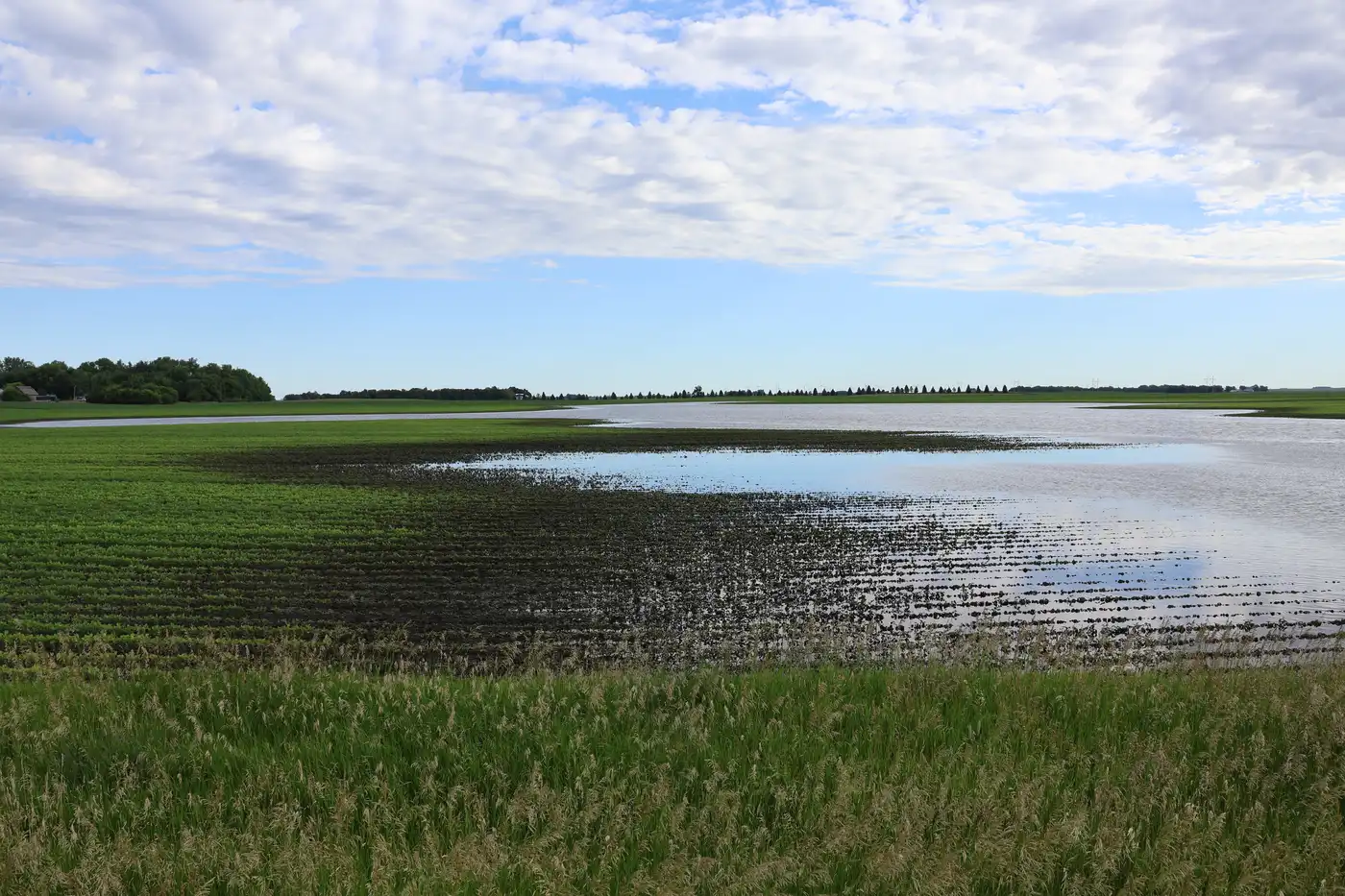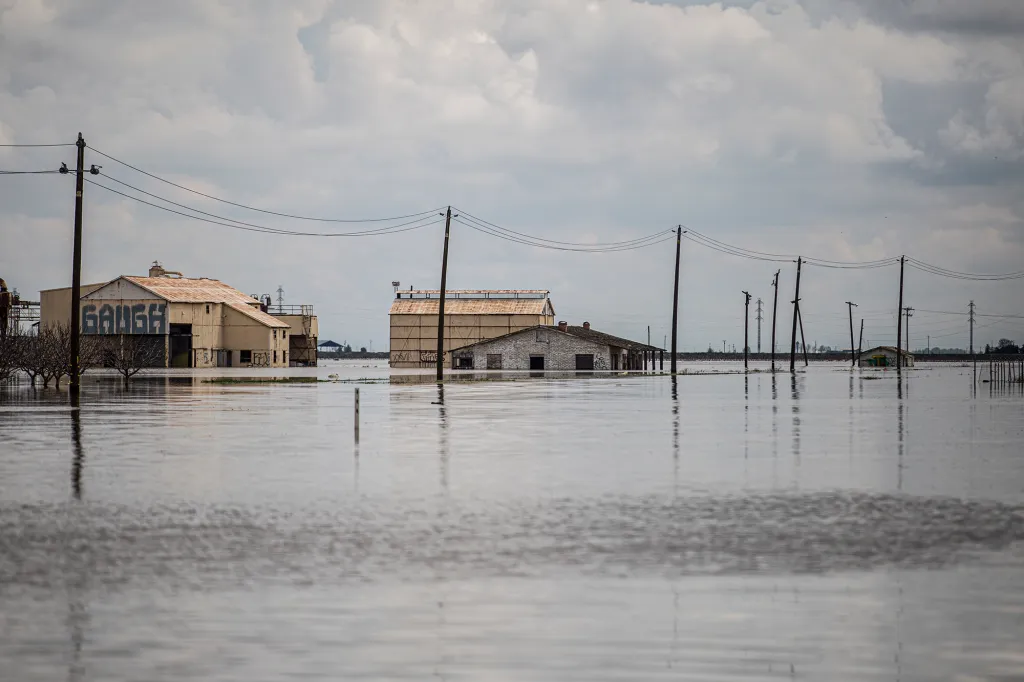
In May, torrential rains caused flooding and landslides that killed hundreds of people and washed away entire villages in the Democratic Republic of the Congo (DRC) and Rwanda. At least 438 people died in parts of the DRC’s South Kivu province. Around 20 000 were affected by overflowing rivers, and about 5 000 are still missing. Floods damaged or destroyed 3 000 homes, schools, hospitals and utility networks.
In Nyamukubi village, residents estimate that three-quarters of homes were swept away. Roads were wiped out or rendered impassable, blocking aid and rescue efforts. Authorities are concerned about associated health impacts from contaminated water and stagnant pools.
In Rwanda, at least 130 people died. Thousands were displaced, and roads, bridges, a hospital and 5 000 homes were destroyed. Seasonal flooding is typical in this area, but not to this extent.
Climate change is driving more frequent and intense disasters across Africa. The United Nations Development Programme says since 2000, flood-related disasters have increased by 134% and lasted 29% longer. According to Yale University, Africa experienced five of its top 30 deadliest weather disasters in the past year since record keeping began in 1900.
Africa experienced five of its top 30 deadliest weather disasters in the past year
In March 2023, Cyclone Freddy surpassed Cyclone Idai (2019) as the deadliest cyclone, killing 1 434 people. In 2022, Uganda experienced extreme drought (2 465 died), there was flooding in West Africa (killing 876) and South Africa (544 died), and drought in Somalia, leading to at least 43 000 deaths. The Rwanda-DRC flooding is the sixth deadliest disaster in the past year.
While humanitarian aid and disaster risk reduction are important for helping affected communities, people are often left alone to rebuild post-disaster. Dedicated loss and damage funding and mechanisms could help.
Most climate financing has gone towards mitigation (slowing or stopping climate change) and about one-third towards adaptation (helping communities cope with impacts). Loss and damage are different, occurring ‘beyond adaptation’ when some effects exceed people’s ability to adapt, whether due to a lack of finance or feasible measures. Loss and damage are most relevant in poor countries that lack the means to rebuild stronger.
One of the most celebrated outcomes of the 2022 United Nations Climate Change Conference meeting in Egypt was the agreement to establish a Loss and Damage Fund. For many years, wealthy countries have resisted the concept, worried it could open the door to legal liability.
Loss and damage are most relevant in poor countries that lack the means to rebuild stronger
Some funders, including Denmark, Belgium, Germany, Scotland and the European Union, have made small but meaningful commitments. A transitional committee to kick-start the Fund is working on launching the structure, purpose and operations at COP28 in Dubai in November. This committee has some challenging tasks.
Currently, there is no definition of what constitutes climate-induced loss and damage. Some define it as impacts that cannot be avoided by mitigation, adaptation and other measures. ‘Damage’ refers to something that can be recovered or repaired, e.g., buildings, bridges or crop quality. ‘Loss’ refers to things that cannot be retrieved, such as life, social connections or biodiversity.
The committee must decide on the modalities of the fund. Who will receive funding? What projects will it support? How will they get it? How do they avoid the pitfalls of previous aid schemes that have failed to enable communities to become less dependent and more resilient? Funders must also refrain from repackaging previously allocated development or climate adaptation funding as loss and damage funding.
The projected economic costs of climate change in developing countries alone are as high as US$580 billion by 2030 and US$1.8 trillion by 2050. These losses are easier to quantify than non-economic losses.
A 2022 report by the V20 group of 58 poor and vulnerable countries – of which the DRC and Rwanda are members – estimated that V20 countries have lost one-fifth of their wealth over the past two decades due to climate change. This totals around US$525 billion. The most at-risk states have lost 51% of all GDP growth since 2000 due to climate change. There is consensus that vulnerable countries and communities should be prioritised, but ranking vulnerability is complex and unscientific.
Currently, there is no definition of what constitutes climate-induced loss and damage
There are many questions about how the fund will address mobility. Migration, displacement, immobility and planned relocation all fall within the human mobility spectrum but are often used ambiguously. Discussions on how loss and damage funding will address displacement have focused on the framework to ‘avert, minimise and address’ forced displacement.
Forced displacement triggers cascading social and environmental losses such as livelihoods, community ties, food, water, education and healthcare, future opportunities and safety. These losses are difficult to quantify but have massive lasting effects on displaced people.
People often end up in high-risk locations and are at elevated risk of secondary displacement. Post-disaster assessment systems don’t account for long-term and cascading effects or slow-onset displacement where no emergency declaration or follow-up assessments exist. Averting forced displacement means facilitating safe and voluntary movement. People who can make their own decisions to move have better outcomes than those who feel forced.
In the wake of the Rwanda and DRC devastation, communities require a better combination of short-term humanitarian support and long-term planning and financing for rebuilding in a way that enables them to withstand climate change impacts.
Communities must assess if or how they can return, rebuild and live safely. They must also decide if planned relocation and compensation are the only suitable options. They need funding for climate-resilient infrastructure, microfinancing for green livelihoods, and insurance for climate-vulnerable crops.
Loss and damage funding, combined with humanitarian aid, disaster risk management, climate adaptation and insurance, form a ‘mosaic’ of funding solutions to help these communities rebuild stronger.
Source - https://issafrica.org