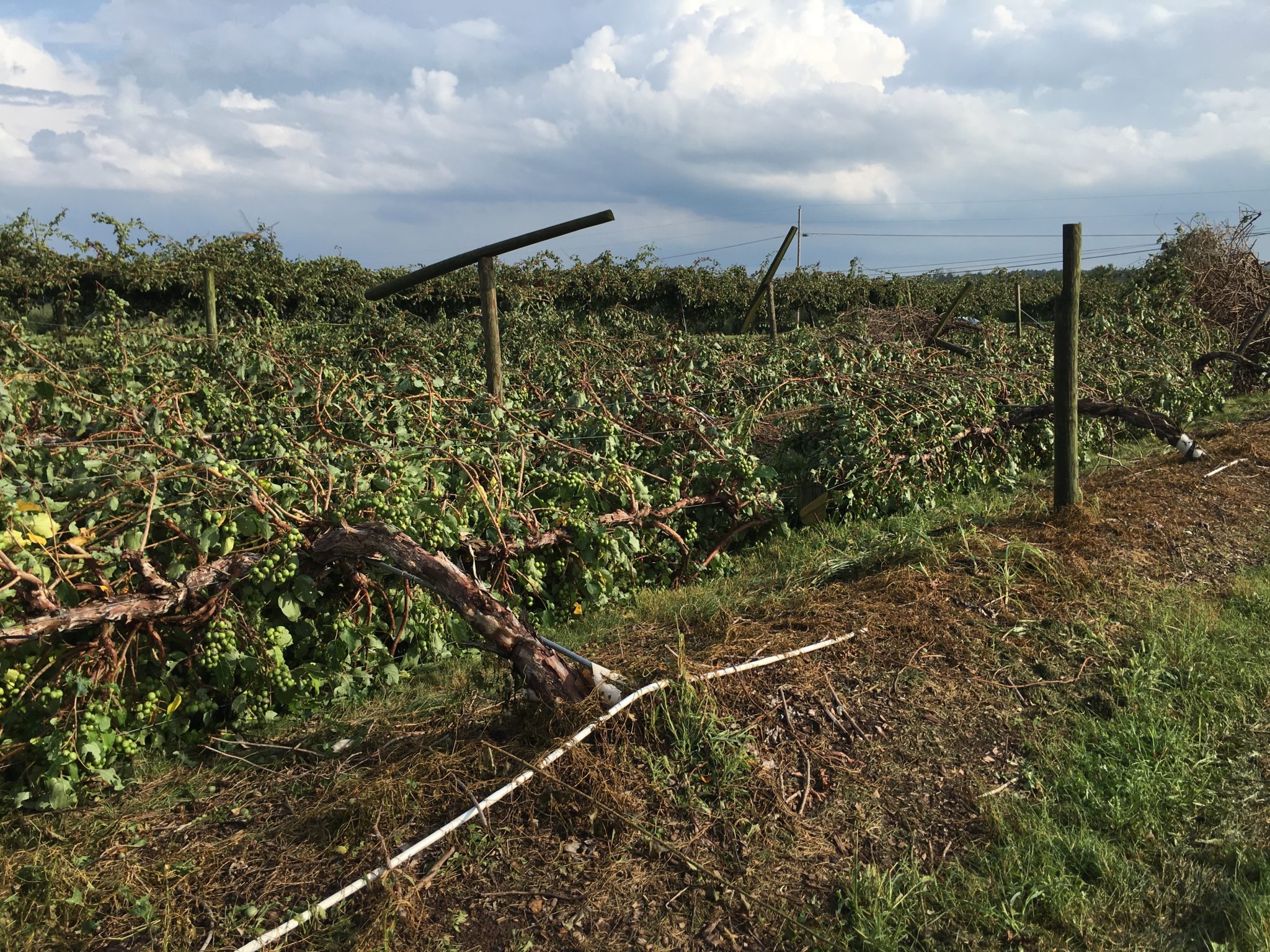
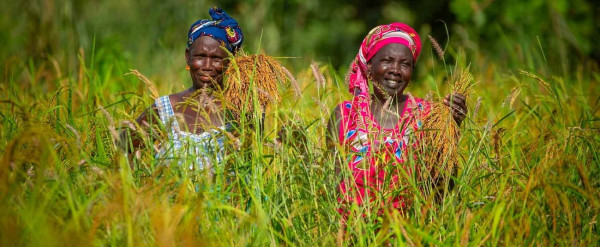
An industry-government forage insurance task team is working on ways to make forage insurance more widely available across the country. Currently, producers can insure forages under AgriInsurance, but other forage insurance isn’t equal across Canada and very few forage producers use it.
Ryder Lee, general manager of the Canadian Cattle Association and chair of the task team, presented an update at the Canadian Forage and Grassland Association’s 14th annual conference in Harrison Hot Springs, B.C., in November.
The team has representatives from provincial crop insurance agencies, Agriculture and Agri-Food Canada and the beef, dairy and forage sectors. It’s focused on improving programs and increasing uptake.
Lee said one of the main reasons for discussions is that when events unfold that could have been covered by insurance, and people aren’t in the program, it is unable to respond. Increasing uptake would help get to a spot where governments aren’t getting clobbered and where industry associations aren’t being pressured to find alternative ways to address events.
He said another reason is to level the playing field on land use between perennial or annual crops. The goal is to make sure the programs and their risk profile don’t influence decisions on what land should be used for.
Satellite crop assessment
One of the task team’s projects is product design. This includes premium cost, when the program should pay out and the basis of coverage, such as expected production or rainfall.
Another topic is communicating details to staff and to potential users. A unique challenge is that forage insurance is not just for grass.
“It’s a different customer base with different needs and different cash-flow situations,” Lee said. “It’s different if you’re growing hay and you’re selling it: you’re insuring an output… versus if you’re growing feed and you’re growing an input. You have some strongly different motivations if you’re growing feed versus if you’re growing saleable goods.”
The task team members also discuss and share provincial successes and challenges, allowing them to duplicate successes and avoid problems.
Another focus is exploring technology such as satellite imagery and machine learning. The team is also looking at forage insurance programs, technology uses and marketing initiatives in other countries.
As for what comes next, Lee said that is being determined province by province. Global Ag Risk Solutions has a project looking at technology add-ons, satellite imagery and ways to use that satellite imagery. The task team is working together to engage producers and look at ways to reach non-users. And research continues on business risk management programs to see if they can be improved or if they should be replaced.
Forage insurance in Quebec
In Quebec, the main forage insurance plan offered is Hay Crop Insurance (ASREC-foin). It is administered by Financière Agricole du Québec (FADQ), a Crown corporation that manages agri- cultural insurance and financing pro- grams in the province.
Sixty per cent of the insurance is financed by the federal and provincial governments. It is a voluntary program, allowing producers to opt in or out. The other 40 per cent comes from producer premiums.
William Robitaille, a consultant and PhD bioresource engineering student in the faculty of agricultural and environ- mental sciences at McGill University, focused his master’s thesis on Quebec’s hay crop insurance program, conduct- ing an analysis of its implementation compared to a similar program in Pennsylvania. He said approximately 5,000 farm businesses were insured under the ASREC-foin program in 2023.
“According to our estimates, in recent years, between 40 per cent and 60 per cent of hay acreage in Quebec has been insured,” said Robitaille. “Producers are therefore making good use of this pro- gram, unlike other forage insurance pro- grams such as those in Pennsylvania.”
The Hay Crop Insurance program provides group coverage, with damage assessed globally for a group of farms in the same region. Compensation corresponds to the average losses assessed for a producer’s area or weather station.
FADQ assesses hay crop losses using weather stations and loss grids. Producers have until April 30 each year to insure their hay crops and can choose which weather stations within a 75-kilometre radius of their farm will be used to assess crop losses.
“This approach aims to uncouple insurance from producer decisions,” Robitaille explained.
In addition to the choice of weather station, growers have several other options, including the guarantee between 70 and 85 per cent of the insurable value; the unit price of hay between 60 and 100 per cent of the reference unit price in 2023; the number of mowings, between two and four; and the harvest start date, which is declared according to the number of mowings chosen.
There is a hedging option which offers two choices. The first is the feed requirements option, which calculates the quantity of hay insured according to the feed requirements of the company’s herd. The second is the acreage option, which is based on the insured acreage and reference yield of each weather station.
“Animal producers can choose both options, while non-animal producers can only insure with the second option,” said Robitaille, adding that organic hay producers also have specific options detailed on the FADQ website.
“It is important to note the risk of non-correlation between losses observed in the field and those assessed by the stations, due to factors such as the distance between the station and the farm,” he said. “Producers should therefore evaluate the results of their adherence to this program in the medium and long term, taking into account potential differences between losses observed and those evaluated by FADQ.”
Source - Canadian Cattleman