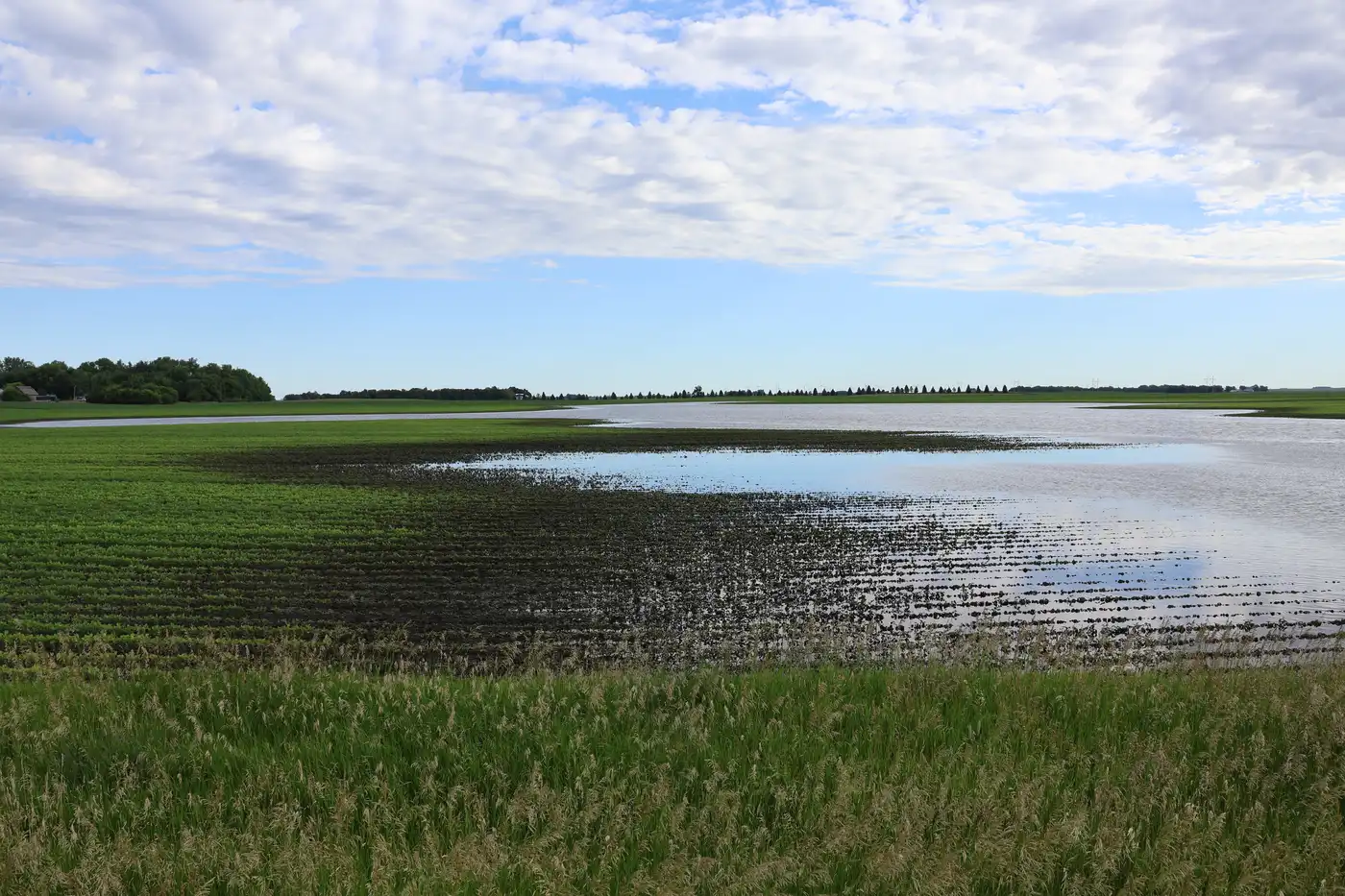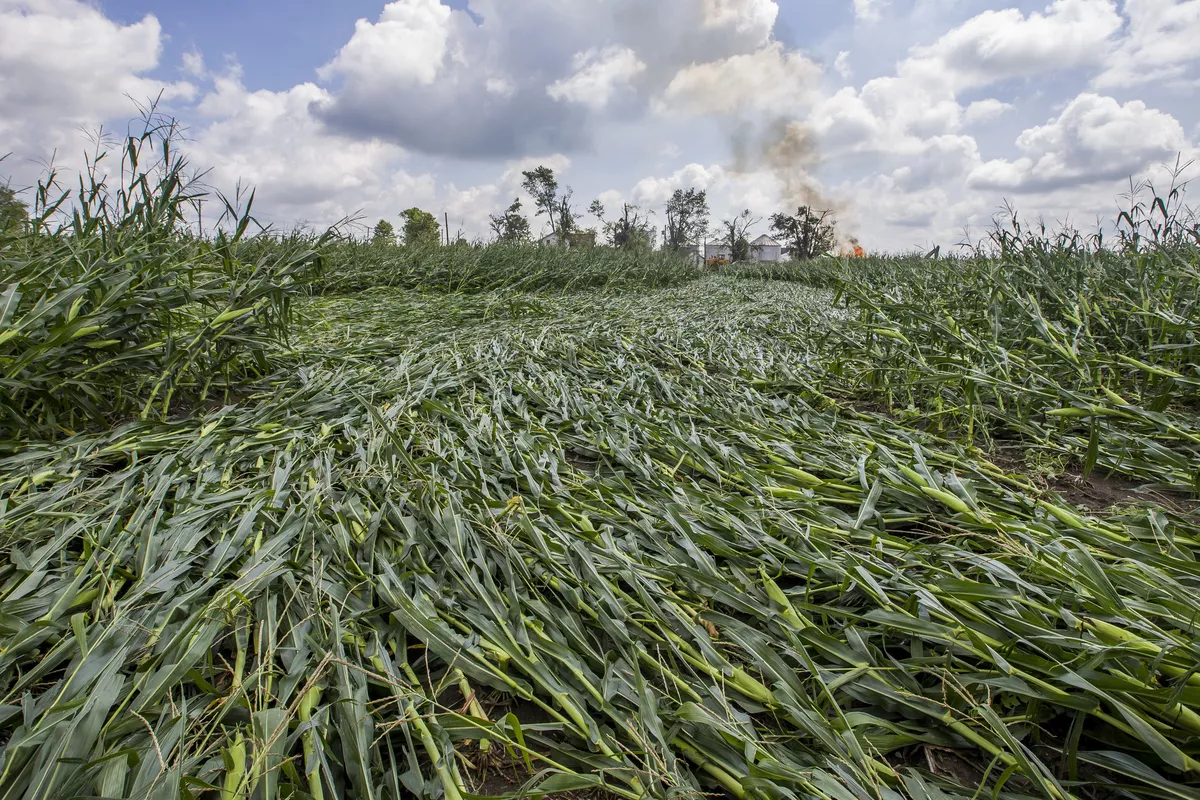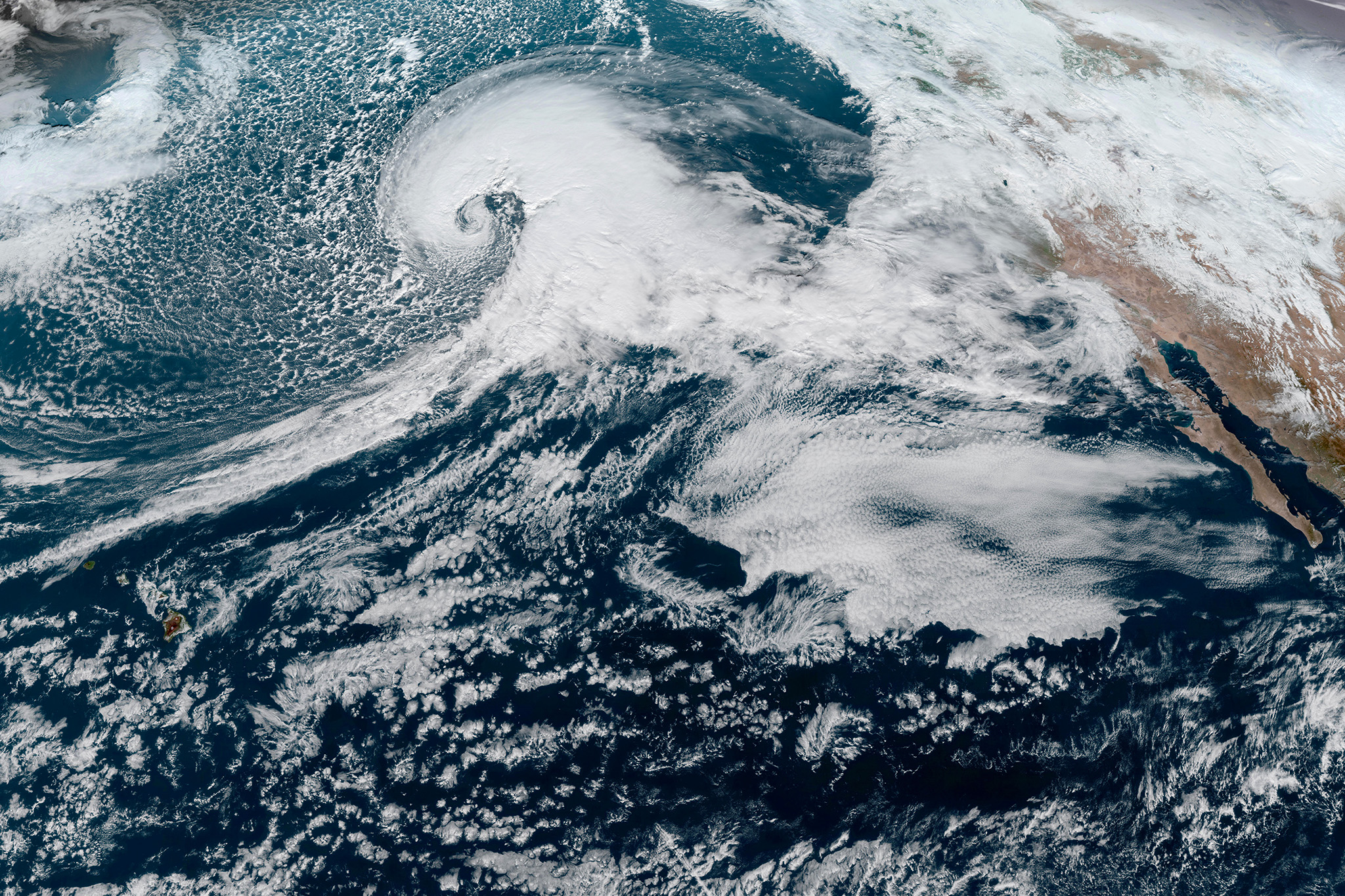
In Malawi, most smallholder farmers were preparing their fields for the April harvest when Cyclone Freddy, the longest and most energetic tropical storm ever recorded in the Southern Hemisphere, struck the country in mid-March.
The World Food Programme estimates that almost 2.3 million people in the agriculture sector have lost their crops and livestock and that over 179,000 hectares of crop fields have been destroyed.
Freddy also left 1.3 million people at risk of acute food insecurity and displaced almost 900,000 households across 500 temporary shelters set up across the country.
“The displacement may prolong the challenge in terms of preparing for the coming season because most [farmers] are displaced at the camp, so they are not [on their farms] to prepare for the coming season,” said Frank Masankha, farm services coordinator at the National Smallholder Farmers' Association of Malawi, or NASFAM.
Increasing threat of storms
Even before Cyclone Freddy, many farmers in southern Malawi were struggling to recover from Cyclone Ana, which destroyed more than 220,000 farmers’ fields and crops in January 2022. Scientists agree that climate change is making storms like these more intense, as rising temperatures heat the oceans' surface, fuelling stronger storms.
“Sometimes we face these big storms and winds, they destroy several properties, but from the farmer's point of view, floods and dry spells are the biggest challenges, followed by soil degradation stemming from the heavy use of chemical fertilizers,” said Brighton Jelemoti, president of Farmers' Voice Africa, a Malawi-based nonprofit.
Initial government reports in the country list agriculture as the sector hardest hit by Cyclone Freddy. Families that have lost their food crops will struggle to cope without external help, according to the MwAPATA Institute, a local agricultural policy think tank.
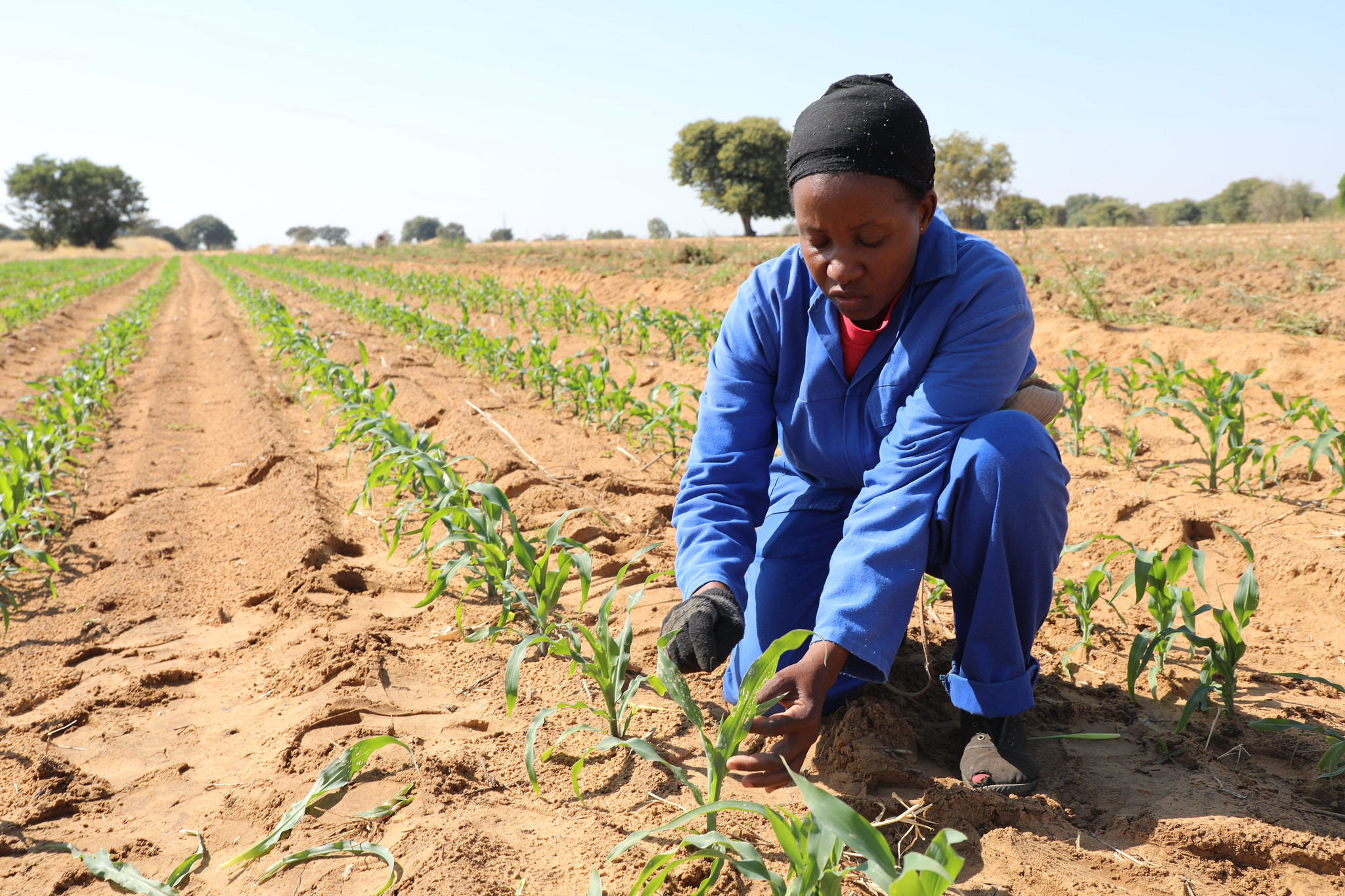
As Malawi only really has one growing season, affected farmers will need assistance to replant short-duration maize varieties and other crops that do well when planted under residual moisture in order to provide a short-term coping mechanism for households.
There’s now an immediate need to intensify irrigation and winter production activities through the distribution of farm inputs including seeds, fertilizer, and cash. However, the majority of farmers don’t have the means to replant. Lloyd Phiphira, the head of farm services at NASFAM, predicts that only about 20% will be able to do so using residual moisture and some sort of irrigation from close by water points.
Improving data systems
Right now, the government is still working with partners such as the U.N. and aid agencies to assess the damages caused by Freddy using satellite data, explained Yash Gharat, country director for Malawi at One Acre Fund, a social enterprise supplying smallholder farmers in East Africa with asset-based financing and training.
To ensure assessments — and therefore the emergency response — are faster in the future, he believes starting to monitor and gather live data even ahead of a cyclone, based on early forecasting, can improve the speed and urgency of action.
“We need to put climate resilience work at the same urgency level as disaster relief,” Gharat said.
There’s also a need to agree on important indicators such as the threshold for different severity levels to quickly help establish the extent of damages in an area, and then to “Start to collect that data and feed it into a unified system,” Gharat said.
Diversifying crops
To improve the resilience of farmers who mainly rely on one crop, NASFAM is helping them diversify.
“So whenever one fails, they should be able to fall back on the other … and the major one that is taking shape now is soybean,” said Phiphira. They are also promoting pigeon peas, which can easily be integrated with maize production, the country’s biggest food crop.
The organization is also collaborating with Malawi’s Department of Climate Change and Meteorological Services to provide forecast services to farmers to help inform the types of crops they can grow based on forecasted rainfall.
While tobacco has long been one of Malawi’s main cash crops — it accounts for more than 40% of its annual total export earnings — how to diversify into other crops has been a major question. The country needs crops that fulfill food security needs, as well as higher value crops that can be processed and exported, explained Gharat.
When it comes to helping farmers adapt to climate change, Gharat explained that needs were divided into three categories, starting with soil health and crop diversity, then income and resilience, which in turn need to be accompanied by assets and safety nets.
Insurance against climate change
Farming insurance — which One Acre Fund and other organizations such as the International Fund for Agricultural Development have started to offer farmers — can help provide an important safety net for farmers whose crops are at risk from extreme weather events. The insurance would normally trigger a payout based on lost input such as seeds, or in some cases, even the loss of yields.
While insuring the value of the crop is needed, it’s currently impossibly expensive to do so withouth donor subsidy or other support. But insuring the input — such as seeds — can help make sure a farmer is still able to plant in the next season and prevent further fallback, explained Gharat.
According to Farmers' Voice Africa’s Jelemoti, farming insurance could be of great help. “But most of the time farmers, especially the smaller ones, cannot do it because to them, it's not cost-effective,” he said, adding that instead cooperatives can help farmers insure their crops in groups and help them select the best policies and push down the price of premiums.
NASFMA, for example, ran a farming insurance pilot with some of the farmers in its network and found that the most popular insurance was one that was bundled with the handout of inputs. “If you give them seeds, and if there's any loss in the field, then they are insured for a particular value of the seeds,” said Masankha.
But globally, less than 20% of smallholder farmers have agricultural insurance and that number is less than 3% in sub-Saharan Africa.
IFAD has been working to change this since 2018 when it launched its INSURED program. By leveraging existing development programs to roll out insurance schemes, “You make sure that insurance is one piece of the resilience puzzle,” said Emily Coleman, a senior expert on agricultural and climate risk insurance at IFAD. “It's not on its own, so the rest of the program might be doing things like improving access to inputs, training on better farm practices, savings, and credit groups.”
Improving understanding and accuracy of insurance
In Kenya, programs integrating farming insurance with e-vouchers for inputs for drought-resistant seeds and mobile banking wallets — which can be used to quickly distribute payouts to farmers — have proven very successful, Coleman said.
“[However] insurance is a new thing for many people in the countries in which we work and let alone, agricultural insurance — and there are a lot of technicalities around making agricultural insurance work and be reliable,” she added, explaining that IFAD couples insurance programs with sensitization and education efforts.
Many farmers, for example, are worried about how payouts are calculated, according to Coleman. For traditional or indemnity insurance, payouts are based on field visits that assess the losses at each individual farm. While this is reassuring to the farmers, it’s time-consuming and costly — especially following a crisis such as a cyclone, when many farmers are affected at the same time. It can delay payouts by several months and is also difficult to scale, Coleman said.
To overcome those barriers, organizations such as IFAD and One Acre Fund have been trying to work on index insurance, which bases payouts on information such as weather forecasts and satellite data. “But a key challenge is to make sure that these are reliable, and also that farmers have fully understood them, so they can trust them,” Coleman said.
Investing in climate resilience now
For One Acre Fund, dealing with the aftermath of Freddy has a price tag — but compared to the amounts spent by donors on other issues, “supporting farmer loan relief or other cash-transfer type programs is not that expensive,” said Gharat. In the short term, money is needed for insurance payouts to farmers to make sure they can plant again next year.
In the medium term, we really need to start thinking about climate resilience, he added.
That would include working with farmers to improve soil health and support them to practice more agroforestry and plant more high-value crops that can provide a bigger economic buffer when needed. “All of that should be provided to farmers as one package … and all of those things need to happen simultaneously,” he said.
Source - https://www.devex.com