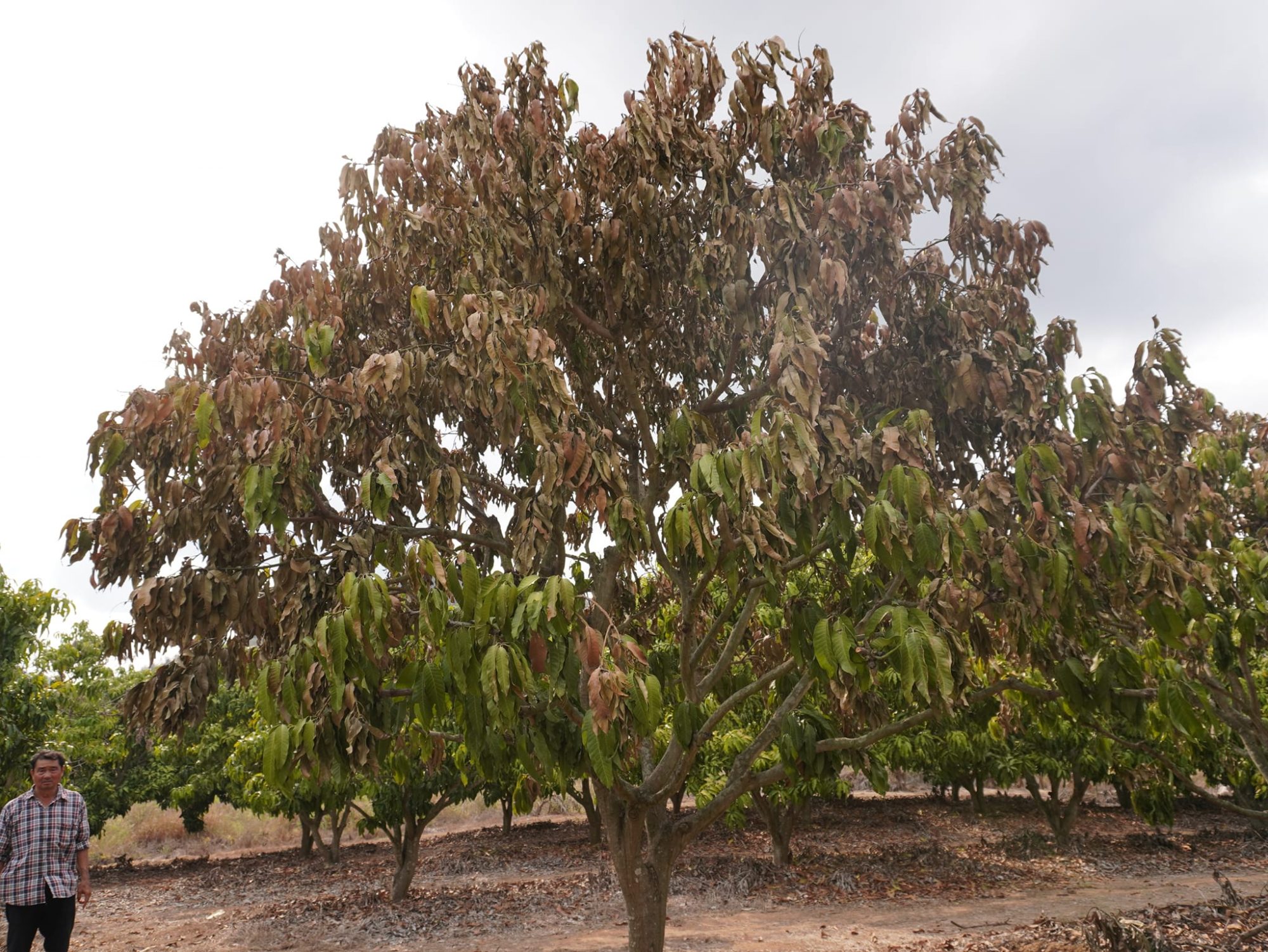
Mexico - Drought could decrease mango harvest by 40%

19.06.2024 551 views

According to José Ángel Crespo, president of the Mango for Export Packing Company (EMEX), Mexico's mango production could decrease by 40% this year due to water shortages. This situation has generated speculation in prices and could significantly affect local trade. Crespo stressed that competition between merchants could intensify, influencing pricing strategies in the face of fluctuating supply and demand.

According to data from the Ministry of Agriculture and Rural Development (Sader), until April 2024, Mexico produced 551,829 tons of mango, which represents a decrease compared to the previous year. In 2023 Mexico produced more than 2,163,000 tons, a record volume led by Sinaloa's production. Crespo said that, despite generating significant demand, droughts have created a deficit that makes it difficult to meet national demand.

The Ministry of Economy has recorded an increase in the price of mango, which has reached a national average of 27.56 pesos per kilo, i.e. 39% over the previous year. Arturo Vega Martínez, president of Canacope CdMx, warned about the shortage of mango in Mexico City and the possibility of an additional price increase. He added that this situation could affect various sectors, such as fruit shops, Mexican restaurants, and grocery stores.

Vega Martinez suggested the business community and consumers diversify the offer and consider importing mango from other regions to mitigate the impacts of shortages. Despite the decrease in domestic production, Trade Map data indicate a 9% increase in mango exports to the United States in 2023, with other important markets such as Canada and Europe. EMEX stressed that the states of Chiapas, Oaxaca, and Sinaloa are important exporters of this fruit.

Source - https://www.freshplaza.com

12.01.2026

South Africa - Farmers demand access to vaccines as foot-and-mouth disease devastates KZN

KwaZulu-Natal farmers and agricultural organisations are escalating pressure on the state over the uncontrolled spread of foot-and-mouth disease (FMD), warning that vaccine shortages and bureaucratic delays have left the province on the brink.

12.01.2026

Nepal - Ilam farmers hit by insurance gap

Although the government has prioritised agricultural insurance, there is virtually no crop insurance in Ilam. 

12.01.2026

Vietnam - Farmers devastated after harsh weather decimates crucial crops

Hundreds of farmers in the Quỳnh Thắng area of Nghệ An, Vietnam, have lost numerous pineapple crops due to prolonged rain and humidity. 

12.01.2026

Rwanda - Demand first, production second: How Afri Foods builds export-ready supply chains

Operating through a network of more than 500 smallholder farmers, Afri Foods is a young Rwandan agrifood exporter positioned at the intersection of gender inclusion and technology-enabled scaling. The company was founded in 2019 by Sakina Usengimana and currently focuses on avocados and chilies.

12.01.2026

Flowers bloom on cocoa trees ahead of Ivory Coast's mid-crop season

Mainly above-average rains last week in most of Ivory Coast’s main cocoa regions augur well for the development of the next April-to-September mid-crop, farmers said on Monday.

12.01.2026

Overlooked decline in grazing livestock brings risks and opportunities

For decades, researchers have focused on the problem of overgrazing, in which expanding herds of cattle and other livestock degrade grasslands, steppes and desert plains. But a new global study reveals that in large regions of the world, livestock numbers are substantially declining, not growing—a process the authors call destocking.

11.01.2026

USA - USDA’s Agricultural Research Service (ARS) helping wheat farmers fight a devastating crop disease

Researchers released a new spring wheat germplasm line with resistance to Fusarium head blight.

11.01.2026

Kenya - Government Mobilises Food and Livestock Relief for Mandera Amid Drought

The Government of Kenya has mobilised food and non-food essentials for urgent delivery to areas affected by food and nutrition shortages caused by adverse weather and low rainfall during the recently ended short rains.