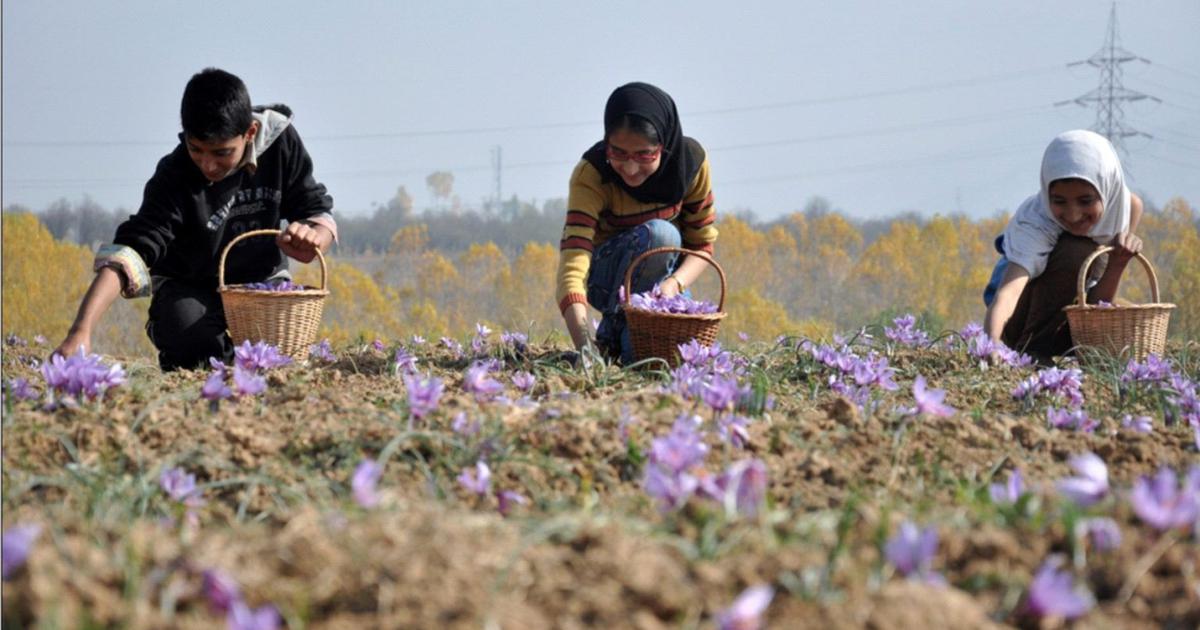
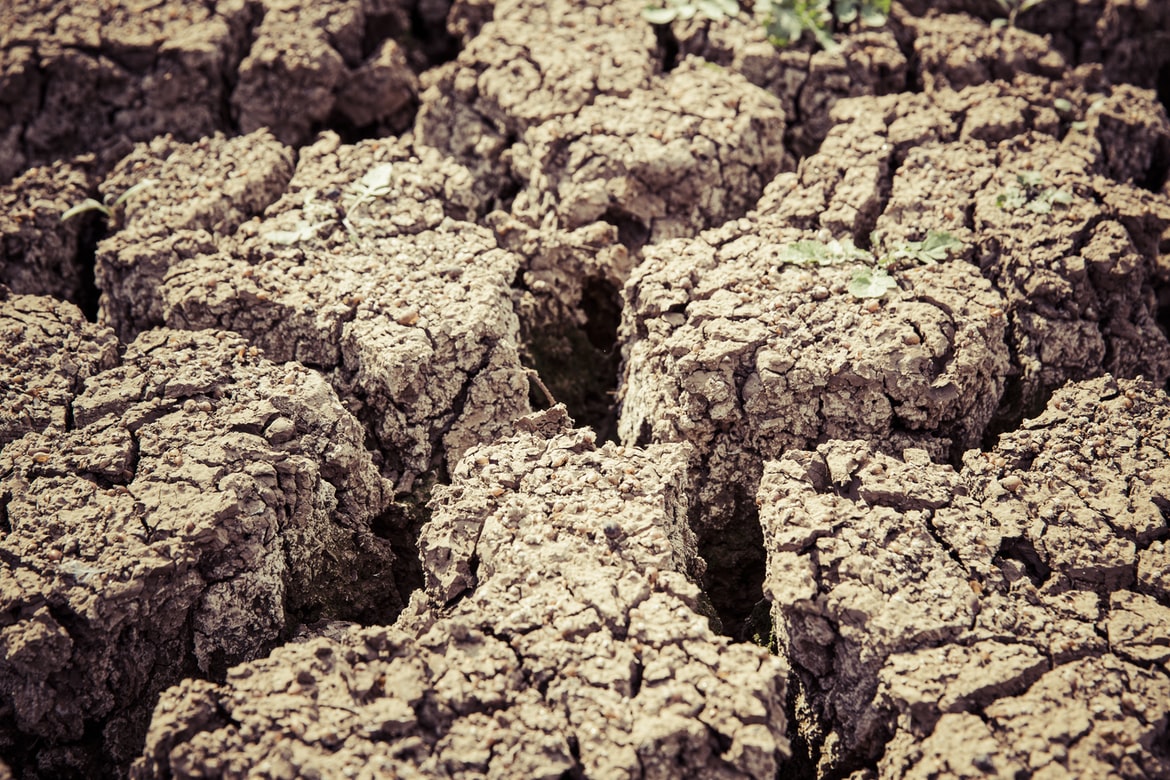
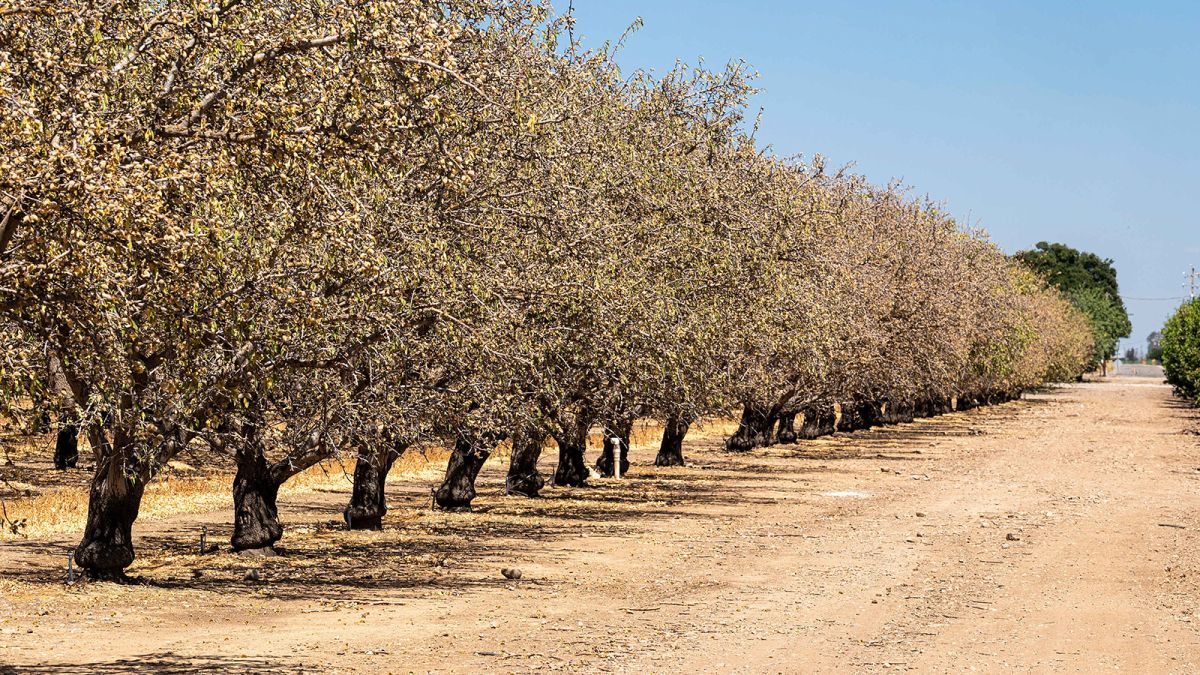
Extreme heat, heavy rain and flooding across key Chinese farming regions are putting global grain and cotton exporters on alert, as markets assess whether crop damage could increase China’s import needs.
Since mid-July, adverse weather has affected China’s main corn, soybean and cotton-producing areas, threatening both yields and crop quality, Reuters reported. The situation is being closely watched by producers, traders and agribusiness companies in Latin America because any meaningful deterioration in China’s harvest could alter global flows of feed grains, oilseeds and fiber.
The affected areas include major agricultural provinces in northeastern China, the North China Plain and Xinjiang. Jilin and Liaoning recorded temperatures that matched or exceeded historical records at dozens of weather stations, while Heilongjiang faced repeated heavy rainfall and flooding. Henan, a major summer corn and soybean producer, went through extreme heat in July before receiving heavy rain linked to the remnants of Typhoon Dolphin in mid-August.
The key question for markets is how much of the weather impact will translate into lower yields and how much will appear later as quality damage at harvest. That distinction matters because lower-quality corn and soybeans could still affect China grain imports even if total production remains broadly stable.
Corn and feed grains draw attention
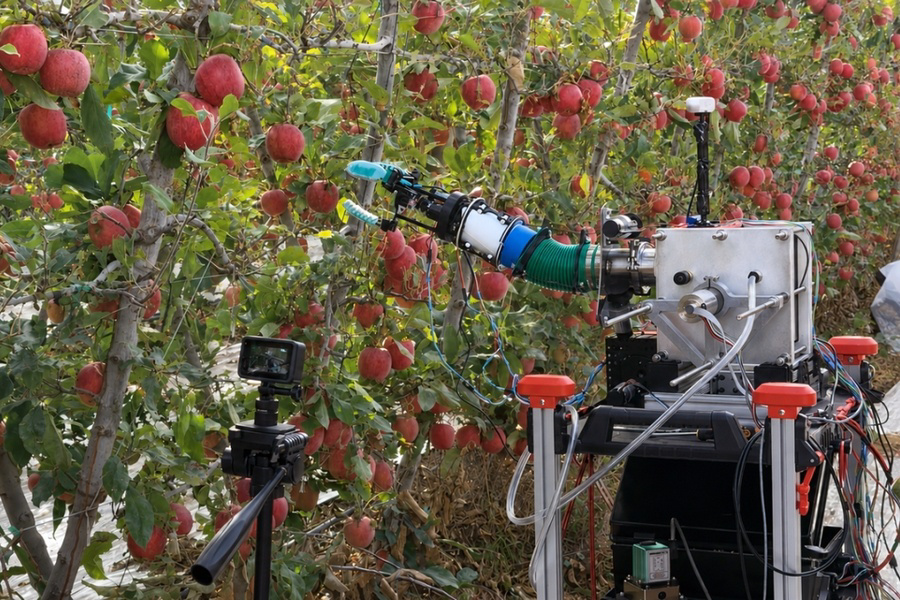
For corn, high temperatures hit some regions during sensitive stages of crop development. Prolonged heat during pollination can reduce kernel formation, while flooding poses risks in low-lying fields in the northeast.
Analysts cited by Reuters said larger corn acreage could offset part of the localized losses. China’s Agriculture Ministry forecasts 2026/27 corn area at 45.13 million hectares, up 0.4% from a year earlier.
Even so, quality damage could increase China’s demand for imported feed grains. That is where Latin American exporters come into the picture. If China needs to supplement domestic supply for animal feed, demand could shift across corn, sorghum, barley and other feed ingredients.
Brazil and Argentina, both major players in global corn trade, are directly exposed to any change in Chinese demand. They would still face competition from the United States and other suppliers, but stronger Chinese buying could affect export premiums, freight demand and futures markets across the Americas.
Early trade data already show higher Chinese purchases of some feed grains. China imported 1.36 million tonnes of corn from January to July, up 61.3% year over year. Sorghum imports rose 86.2%, while barley purchases increased 53.4%.
Those figures do not necessarily signal a structural buying wave, but they show greater use of imported grains and feed substitutes. For Latin America, the pace of Chinese buying during and after harvest will matter more than preliminary estimates of weather damage.
Soybean impact may be more limited
Soybeans present a different scenario, with important implications for South America.
Excess rainfall in Heilongjiang reduced soil temperatures and sunlight, affecting soybean quality and potentially protein content, according to an analyst cited by Reuters. China’s soybean planting area is expected to fall 0.6% this year to 10.19 million hectares, as farmers shift to more profitable corn.
Still, the effect on imports may be limited. Much of China’s domestic soybean crop is non-GMO and used for food, while imported soybeans are mainly crushed for feed and oil. That means a smaller local crop does not automatically translate into an equivalent increase in imports.
Even so, any shift in Chinese soybean demand remains critical for Brazil and Argentina, which are pillars of South America’s soybean export and crushing supply chains.
Cotton losses could matter for Brazil
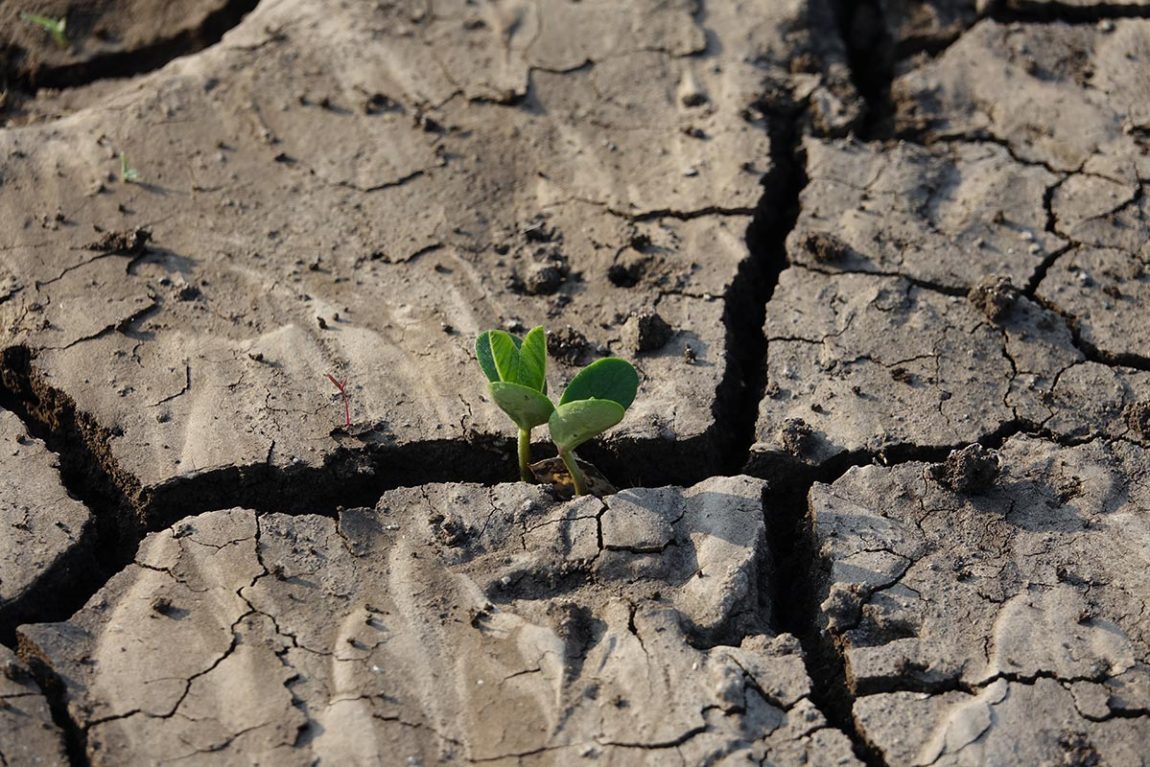
Cotton is another market to watch. Xinjiang, which produces more than 90% of China’s cotton, has faced persistent heat and limited rainfall, reducing the average number of cotton bolls per plant in some drought-hit areas and increasing yield-loss risks.
China imported 1.02 million tonnes of cotton in the first seven months of 2026, nearly matching the volume purchased during all of 2025. A larger production loss could increase China’s external needs and reshape competition among suppliers.
That trend is especially relevant for Brazil, which has gained importance in global cotton trade and could benefit if Chinese mills seek additional supply from international markets.
Exporters wait for clearer demand signals
For Latin American farmers, traders, exporters and logistics operators, the decisive question is whether China’s crop damage turns into concrete purchase orders.
The clearest signals will come from harvest-quality reports, corn and feed-grain import volumes, soybean crushing demand and cotton buying patterns. Until then, the weather damage is a market risk rather than a confirmed trade shift.
For shipping and logistics companies, any increase in China grain imports could affect bulk cargo flows, port demand, freight rates and route planning. Brazil and Argentina would be the main regional countries to watch in grains, while Brazil is also positioned to respond to potential cotton demand.
Rather than pointing to an automatic price rally, the situation adds a new variable to global agricultural trade. If China turns more aggressively to world markets, competition among Brazil, Argentina, the United States and other major exporters could once again become central to grain, fiber and animal-feed supply chains.
Source - https://datamarnews.com