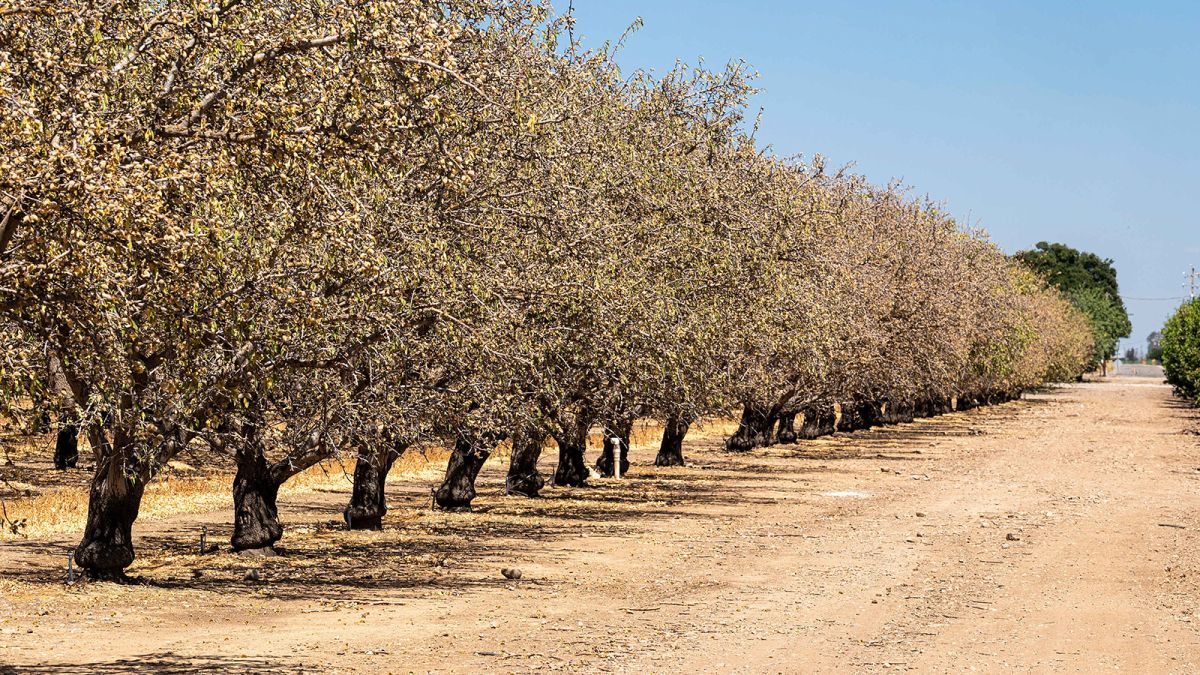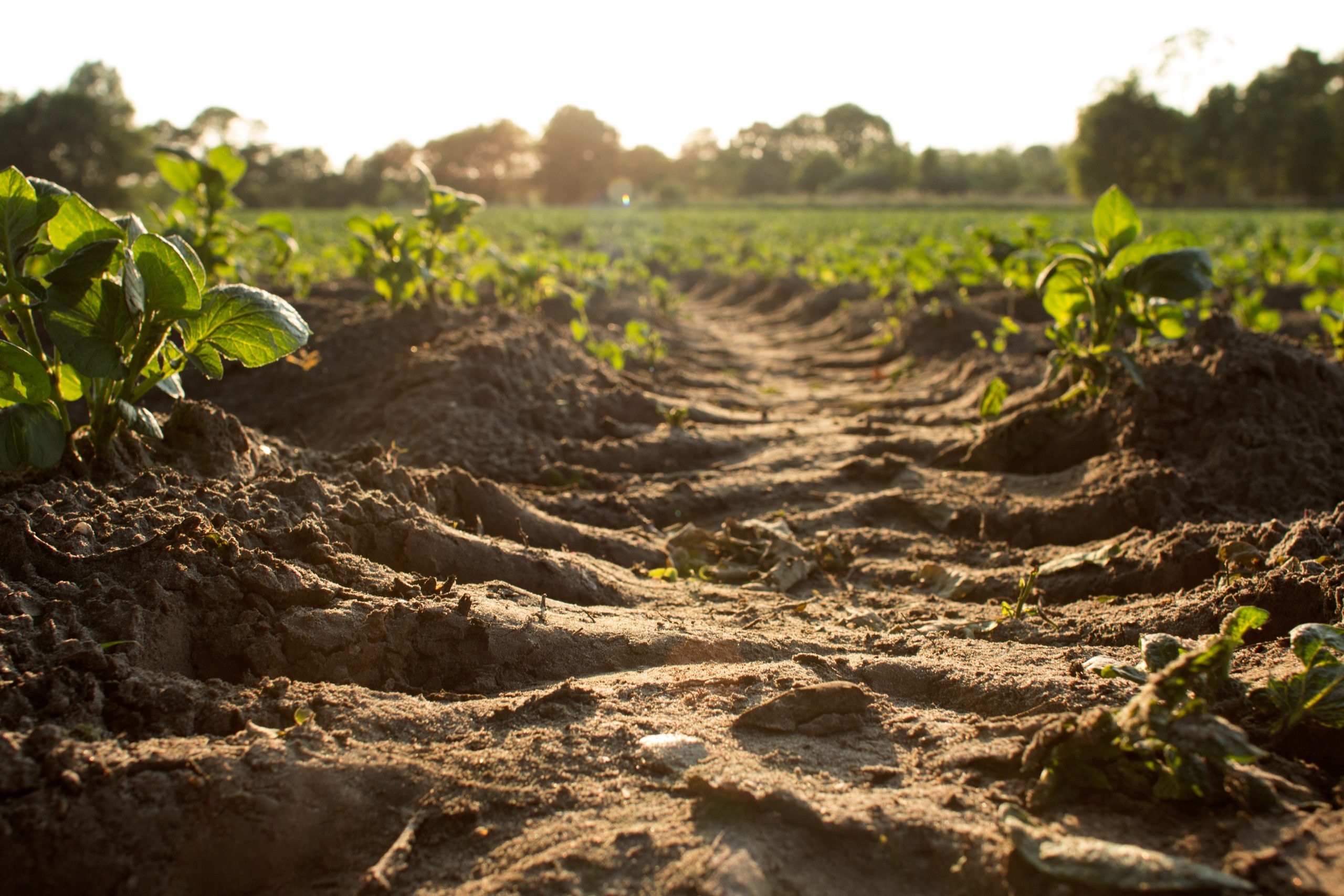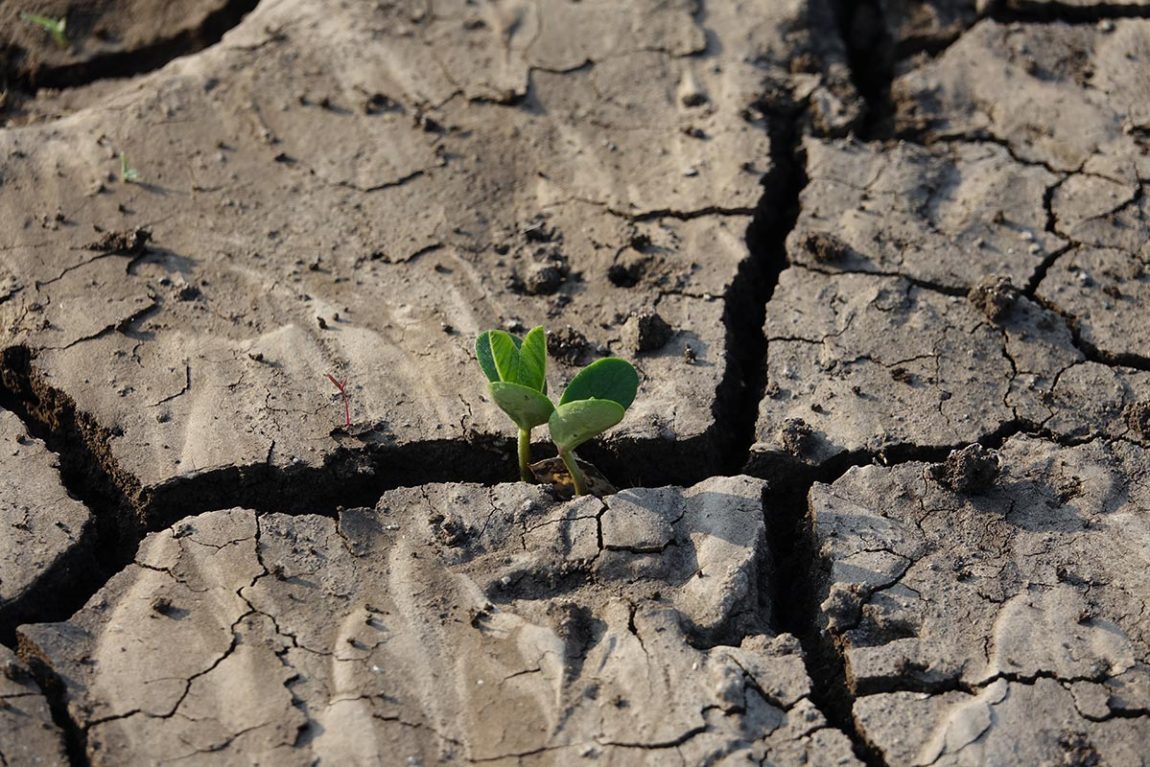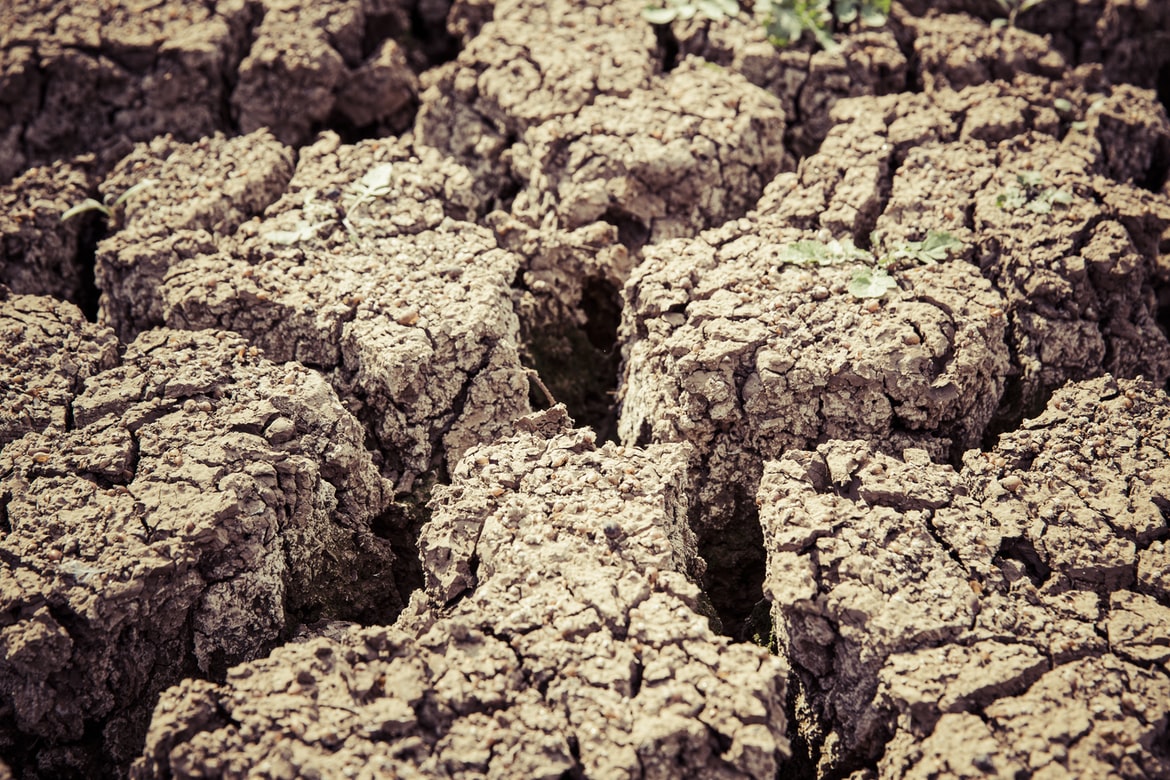
Drought conditions in the summer of 2025 made for a punishing year for P.E.I. farmers, so much so that claims paid out under a provincial agriculture insurance program added up to $111 million.
Article content
This $111 million amounted to 22 per cent of the total insured value of all insured cropland in the province, a representative of the P.E.I. Agricultural Insurance Corporation confirmed to The Guardian in an email. This was the highest share of claims seen since 2001.
It eclipsed the total value of insured cropland paid out in past drought seasons, such as 2020 and 2018.
“The claims in 2025 represented approximately 22 per cent of insured value, compared to 12 per cent in 2020 and 16 per cent in 2018,” the representative of AgriInsurance told the Guardian in an email.
For comparison, the claims paid out in 2001 reached 25 per cent of the province’s total insured value.
Environment and Climate Change Canada has confirmed the 2025 drought saw the third driest August recorded in the Charlottetown area, with only 12 millimetres of rain over the course of the month.
The year 2001 still holds the record for the driest August, with 4.6 millimetres of rain, while 1996 was second at 8.6 millimetres of rain.
The drought was also a hit to the provincial treasury.
The P.E.I. government projected a $450 million deficit for the 2025-2026 year. While much of this was due to capital spending, AgriInsurance claims were a factor as well.
On Feb. 3, the province ordered a special warrant of $62 million to help pay for grants under the AgriInsurance program. A special warrant is a government allocation of money that is outside of what is included in yearly budgets passed in the legislature.
An email from the P.E.I. Agricultural Insurance Corporation said this special warrant was offset by $31 million in reinsurance revenue.
Farm losses
Representatives of the P.E.I. Agricultural Insurance Corporation spoke before an all-party standing committee on Sept. 17.
Members of the standing committee on natural resources and environmental sustainability seemed to agree that business risk management programs like AgriInsurance serve farmers well.
“This program saves government money,” said Liberal MLA Robert Henderson, the chair of the committee.
“It takes those big gambles that something happens – a fairly big weather event. If there was no crop insurance, then those industries or those commodities tend to come to government. And government isn’t usually able to plan and prepare (for those events).”
Several MLAs asked questions about the impacts of climate change on farming losses. Green MLA Peter Bevan-Baker asked if the corporation tracked data on the financial costs attributed to a warming climate.
Lesa MacDonald, director of farm business risk management, said there was no specific data because it was difficult to assess which losses are directly related to climate change.
Henderson noted the weather often varies across the province in each growing season, but said some areas lack weather stations.
“Do you feel that we have enough weather stations?” Henderson asked.
MacDonald said P.E.I. has a higher density of weather stations than any other jurisdiction, per area.
“In that viewpoint, I think it (seems) we’re at a good point. But I understand – more data is better,” MacDonald said.
Aquaculture sector
Henderson also asked about the province’s oyster aquaculture sector being included in programs like AgriStability or AgriInsurance.
This has been a request by the P.E.I. Aquaculture Alliance for several years, at least since the fall 2022 losses incurred during post-Tropical Storm Fiona.
The oyster industry is currently in a precarious position due to the detection of MSX and Dermo, two pathogens that are harmless to humans but which have a record of devastating oyster stocks.
Henderson noted several new producers, such as honey or hay producers, have been added to business risk management programs in recent years.
“Does the industry have to make this request to someone? Does the minister approach your department or your section of the department?” Henderson asked.
MacDonald said any decision around inclusion would be made by someone “much higher than me” and would involve some clarification between Ottawa and the province.
She said an actuarial feasibility study would need to be conducted to determine the cost and feasibility of an insurance option for aquaculture growers. This would require 10 to 30 years of data from the industry.
Source - https://www.saltwire.com