While the U.S. has a domestic lemon program out of California, the country also brings in lemons from Argentina this time of year and imports from Mexico will soon start up. The program out of Argentina started in May and will go through August. While volumes are strong, the crop is lacking diversification in size this season. Argentina had to deal with moisture during the growing season and as a result, supply leans heavily towards large size lemons. The most common sizes are 115 ct., 95 ct., and 75ct. While there are few 140s, there's even fewer 165s and 200s. "Due to the wet growing conditions, the lemons have some weather in them, resulting in a shorter shelf-life," says Ronnie Cohen with Vision Global Group. "While the quality is marketable, they need to be moved quickly. It's not a product you can sit on this season." Cohen added that quality varies within the Tucuman region. With Argentina being the largest lemon growing country in the world, the many growing areas have been affected by weather differently.
Mexico's season is just beginning and Vision Global hasn't started its import program yet. "However, what we've been seeing is that the country is impacted by a severe drought and this tree crop doesn't have enough water," Cohen said. "They're stressed and are producing smaller fruit as a result." Growers are waiting a bit longer to start harvesting as they are trying to get more size to the fruit. Vision Global expects to start sourcing from Mexico in the next two weeks. Once up to speed, Mexico's lemon program will continue through December, or even January.
Less competition between Mexico and California
Supply from Argentina and Mexico will overlap in June and July. With California also being in season, summer lemon supply is coming from three different countries. Both Argentina and California are dealing with fruit that has a large size profile due to the amount of water the trees received. While there is competition between the two growing regions, they each reach a different geographic region of the country. "The Northeast is the main point of entry for lemons from Argentina, reducing the need to truck lemons from California to the Northeast." Mexico also has opportunities this season as it is the only region with a small size profile. "With an abundance of larger lemons in the market, demand for smaller lemons will be strong." Given that lemons from California and Mexico have a different size profile, competition between the two is expected to be less fierce.
Limes
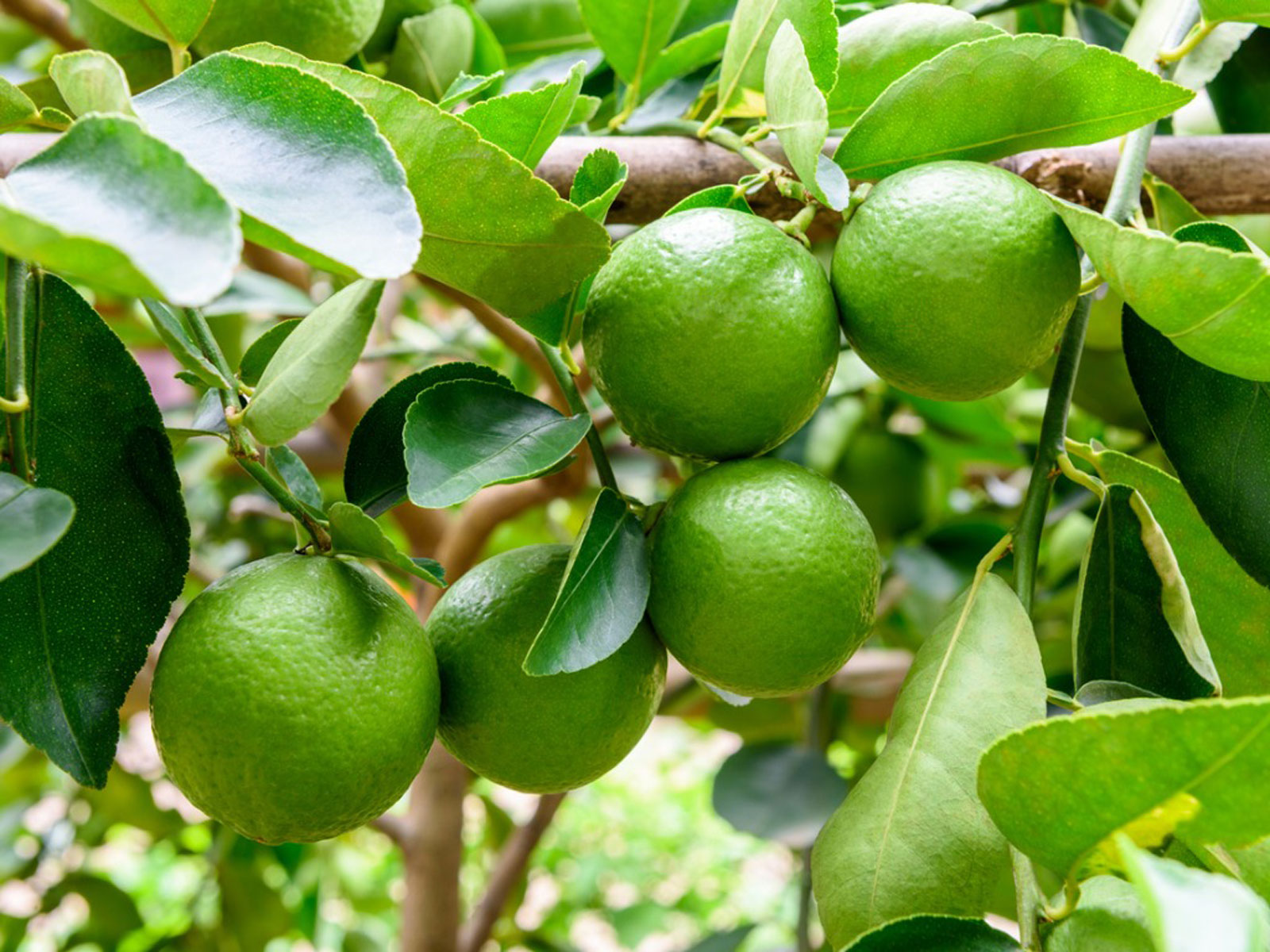
Mexico is Vision's primary source for limes and just like lemons, sizing has been impacted by the drought. "We're mostly seeing 200s, 230s and 250s," Cohen commented. The abundance of small limes and the lack of large size fruit has resulted in a price disparity. Small size limes such as 250ct and 230ct make up 70 to 80 percent of production currently and pricing runs between $14 and $16 FOB. Pricing of larger (110 ct.) limes on the other hand, is in the $30-$32 FOB range. This large price disparity and general availability respectively creates challenges for all sizes: oversupply of smaller calibers and a demand-exceeds scenario on the largest sizes. "We are hoping to see some relief in July or latest in August, but for now its day to day and week to week."
Source - https://www.freshplaza.com