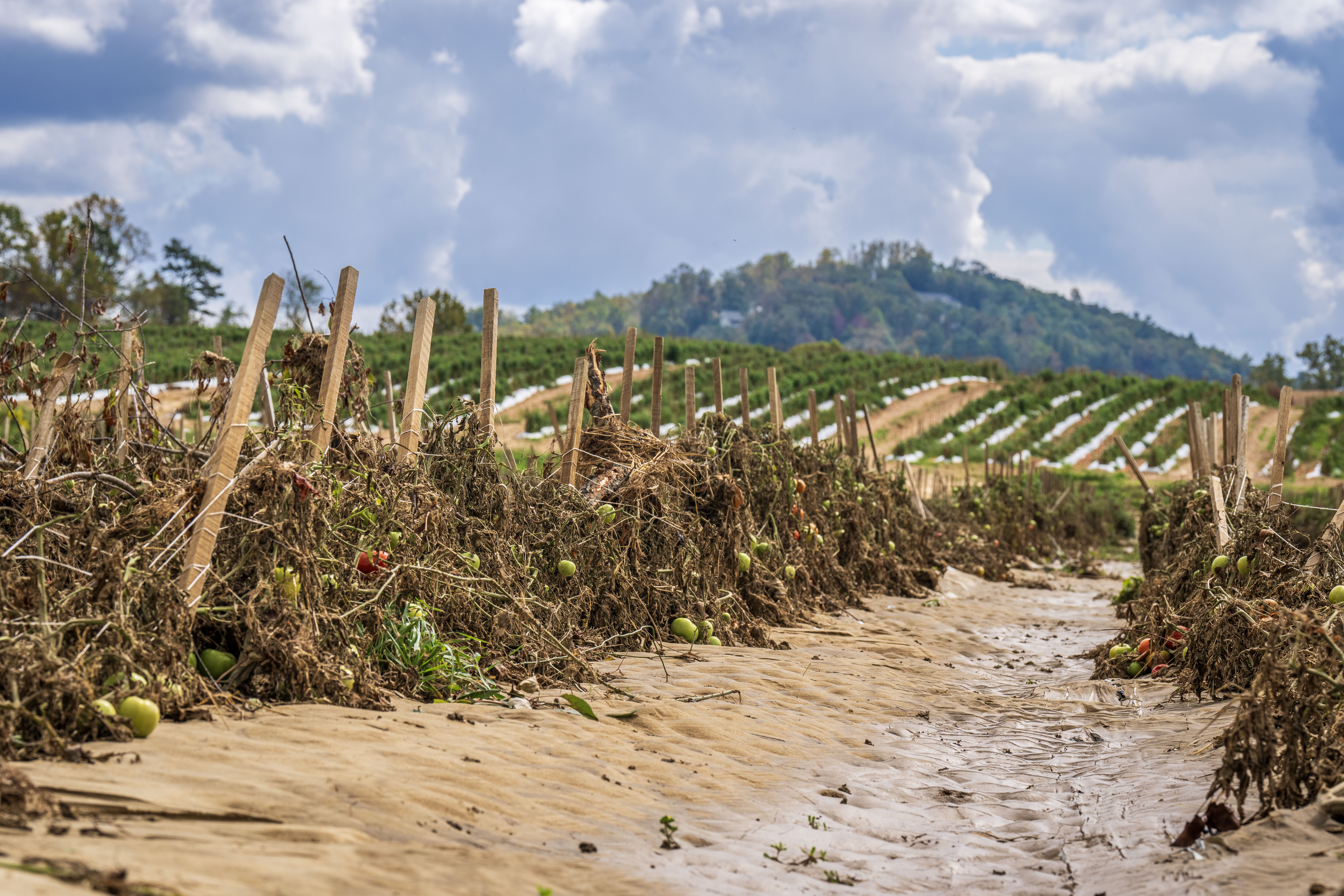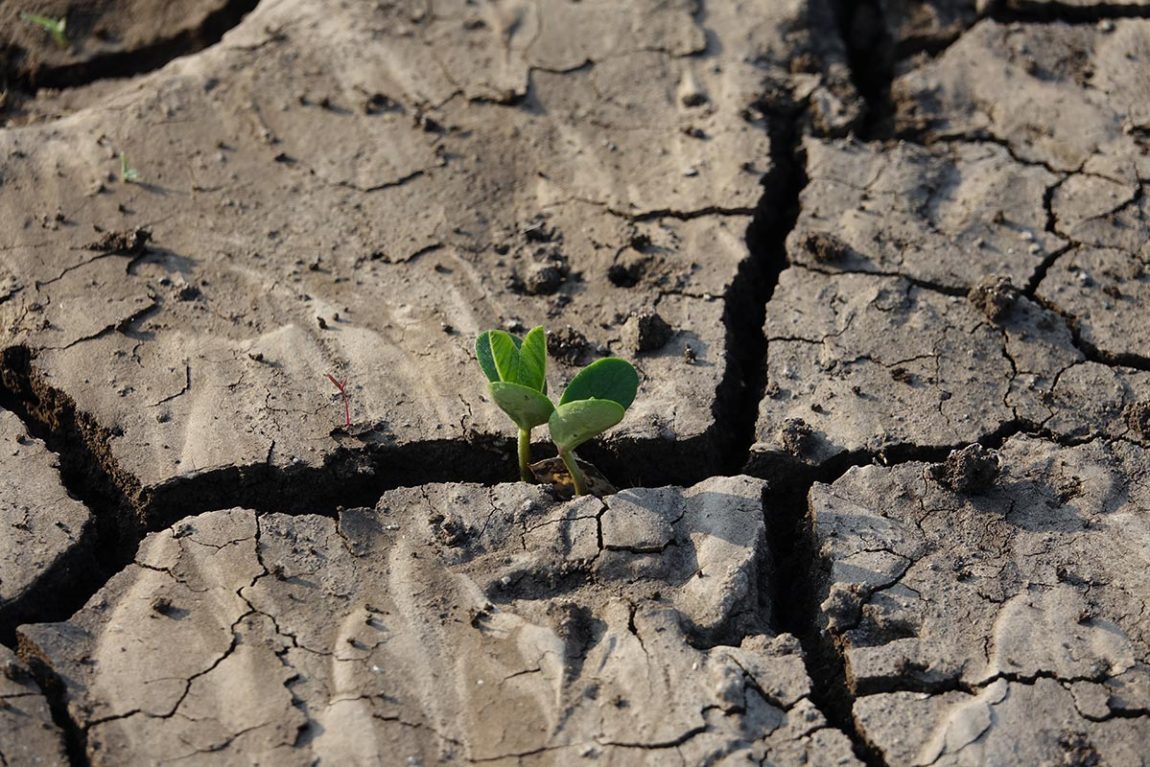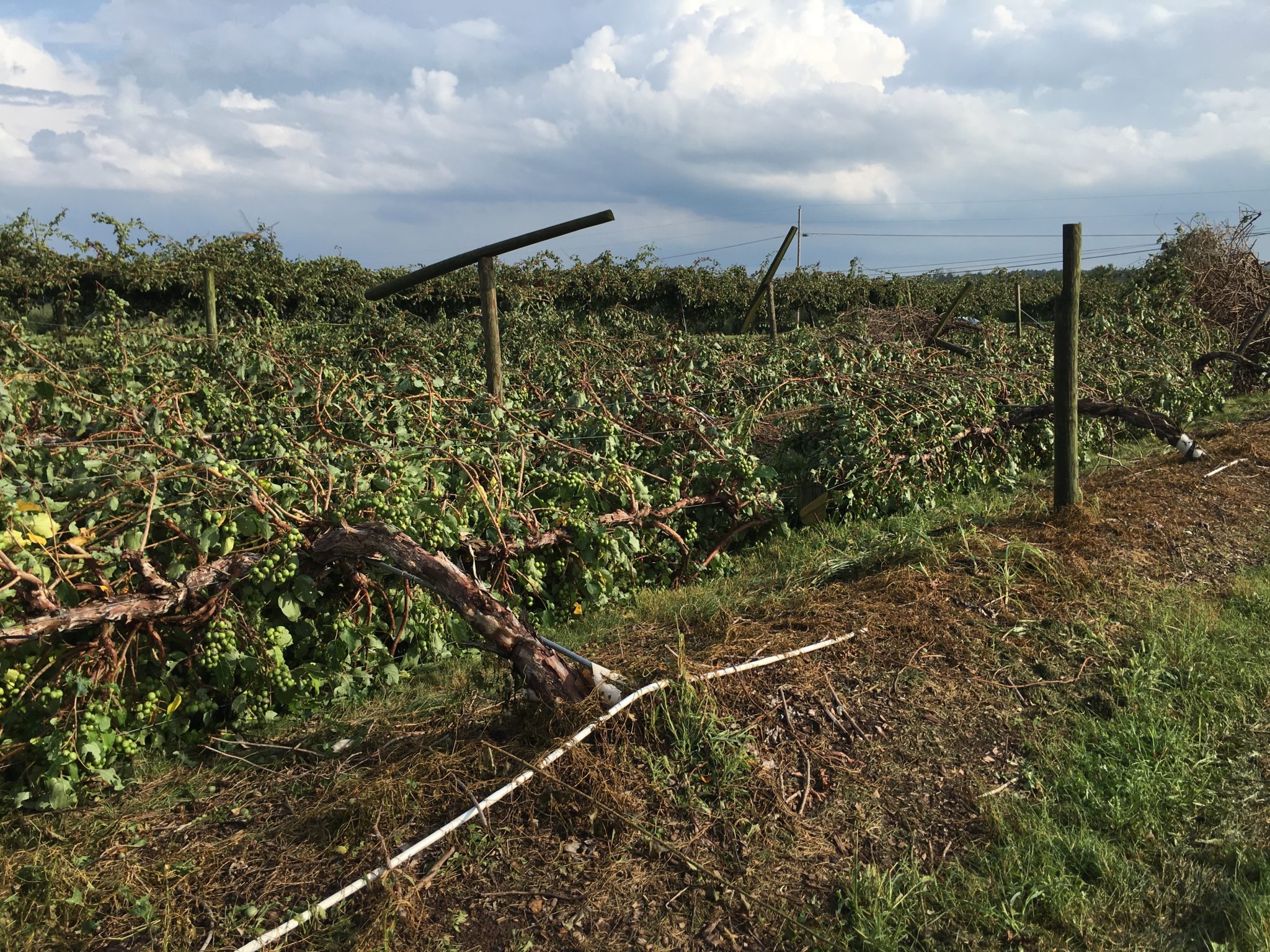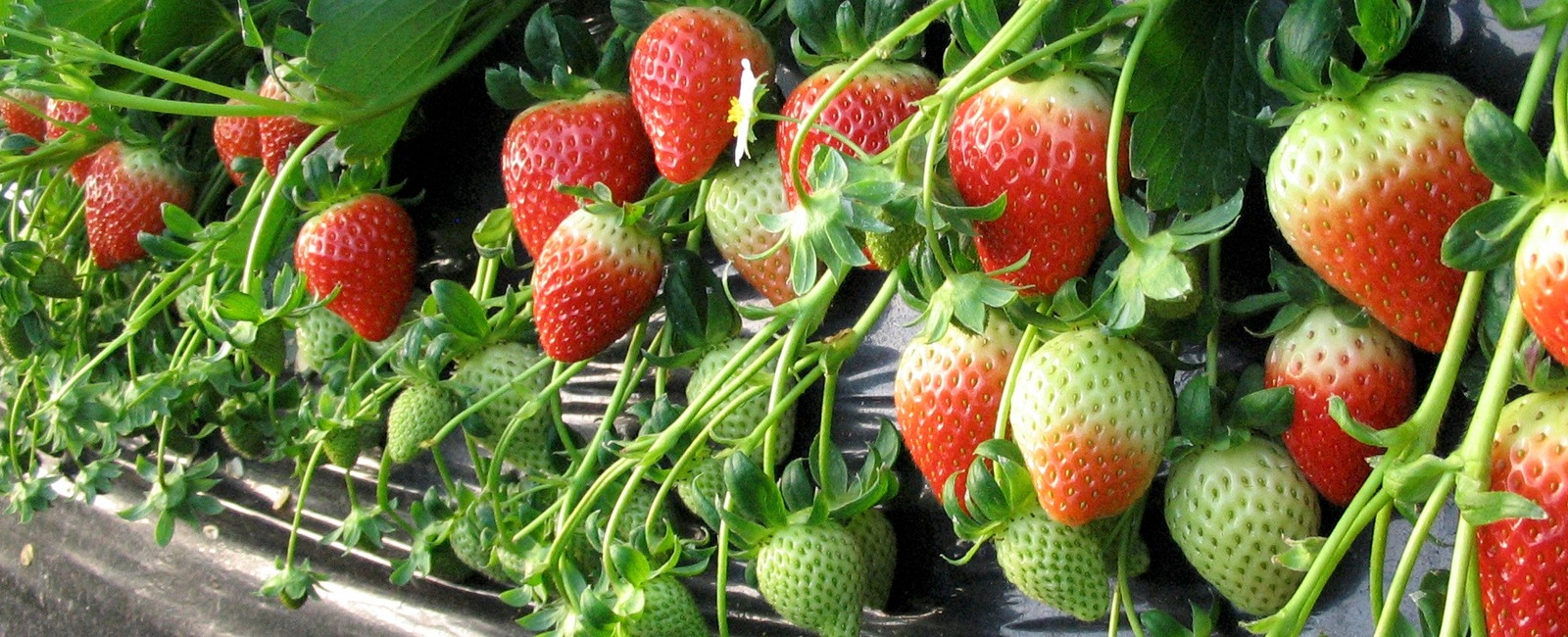
To say the weather has not been kind to Mexican strawberry producers is an understatement. For Aketzalli (Kelly) Mendoza, Commercial Director at Fresa Fortaleza, this season has been tough for all the growers in Mexico. "Since the El Niño phenomenon has affected our climate and weather conditions, all productions has been delayed at least one month, or just when we started to have a higher yield a random bout of rain came and everything went to processing. For the next season I'm expecting better weather conditions but we also hope to discover varieties that can perform well even with all this climate change."
She says Mexico's thriving strawberry production is jeopardised by the ever changing weather. "It looks like these weather challenges has benefited the blueberry productions more. It seems summer weather came in the winter and winter comes in summer and everything looks to not be normal in Mexico. The US market luckily has Florida strawberries, but all these effects create uncertainty for both the producer and the seller. The random rains affect the fruit quality and increases botrytis and powdery mildew. If there's no sun, it is difficult to give enough light hours to the plants. The same goes for the nurseries in Baja California, when the chill is not coming chilling hours aren't enough to start planting."
Fresa Fortaleza, is based in Guanajuato, Mexico. They produce and export different varieties of strawberries mainly to the US market. The company focuses on trialling different strawberry varieties for Mexican producers with resistance to different climatic conditions a desirable trait.
All these challenges are causing some Mexican producers are halting production instead of incurring further losses. "I can certainly say the different weather caused by climate change is affecting us, and some growers in Mexico are stopping their productions since is not a steady activity as it was before. For the future it looks like the strawberry production needs to be under glass houses as is done in the Netherlands, but it is quite expensive to make it profitable" Mendoza concludes.
Source - https://www.freshplaza.com