In 2023, cooler weather has been a trend amongst many growing regions in the produce industry. Taking a closer look at Mexico, colder temperatures in the northern and western parts of the country have delayed vegetable harvest for several categories, including bell peppers, mini peppers, cucumbers, as well as tomatoes. Greenhouses and high-tech shade houses help control the weather, but when it is too cold, everything is impacted.
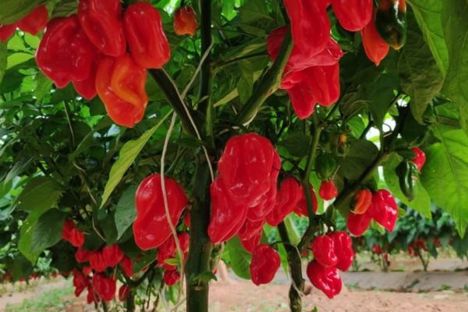
“However, some produce items respond differently than others,” says Carlos Bon with Divine Flavor. “For example, cucumbers don’t need to break color, while bell peppers need warmer weather to go from green to red, yellow, or orange. Greenhouses help, but when it’s cold, the process is slowed down inside as well.” While harvest is delayed, production is expected to be in a prime position moving into the month of April.
Quality up
“On a positive note, the plants look brand-new and very comfortable because the cooler temperatures keep them this way,” said Bon. None of the crops seem to have damage. In fact, they look especially healthy. “Cooler weather controls insect population, and as a result, for organics, we expect to excel in terms of quality. For our conventional items, it will be a cleaner program, and altogether, we expect the quality to be top-notch for the months of April and May.”
Production volume up
In addition to quality, production volume is line with Divine Flavor’s planning. “We work from the market backwards,” said Bon. “As part of our sustainable approach, it is our goal to never overproduce or underproduce. We have contract business for all of our produce items, and we strategically work with our retail partners to determine how much product they need on a weekly basis.”
Bon added that there is always an opportunity for spot sales and servicing these clients, but the majority is contract business. Overall, Divine Flavor’s production volume will be up this year due to the company’s growth as well as building bigger programs with retailers nationwide. “The only item we see a dip in compared to previous years are our green bell peppers.”
Impact on transition
Generally, the season in West Mexico/Sinaloa starts at the beginning of November but peaks from the end of February until mid-March. Then, different cycles of tomato and cucumber varieties start up again at the end of March and early April. “This season, we won’t see the typical flush that we usually see right at this time. However, we expect the season to finish stronger than usual, resulting in a smoother transition into other growing regions in Mexico.
Does that mean the cooler weather is a good scenario? “Yes, since the plants don’t have any damage, production will be full on once harvest starts in April and will go on a little longer in western Mexico/Sinaloa. As a result, we will be able to better bridge a narrow gap until our farms in Central and Baja Mexico begin,” said Bon. Generally, Divine Flavor plans overlap between production regions as it’s better to have a new region start before the previous one finishes.
Nevertheless, in an ideal situation, the weather turns out to be what it’s supposed to be as growing regions compete with each other. Since Mexico plays an important role during certain time frames of the year, it’s important to hit those start times. However, the weather generally doesn’t seem to affect just one area or one country, but it affects everyone in the industry. While most players have to play the card at hand, certain tactics help in not letting the weather dictate an entire season. “Good companies will figure out how to get back on track and respond faster when the weather gets in the way,” said Bon.
Source - https://www.freshplaza.com