Minister Saparov reveals major projects to be implemented in Kazakhstan's agricultural sector

03.12.2025 508 views

At the December 2 government meeting, Minister of Agriculture Aidarbek Saparov revealed major projects to be implemented in the country’s agro-industrial sector in near future, Qazinform News Agency reports.

According to him, 50 projects worth 394 billion tenge are planned to be implemented in 2026. The projects will let employ up to 2,500 people.

Six major projects include:

The first stage of the Fufeng Group project for deep corn processing with a capacity of 300,000 tons is being launched in Zhambyl region;

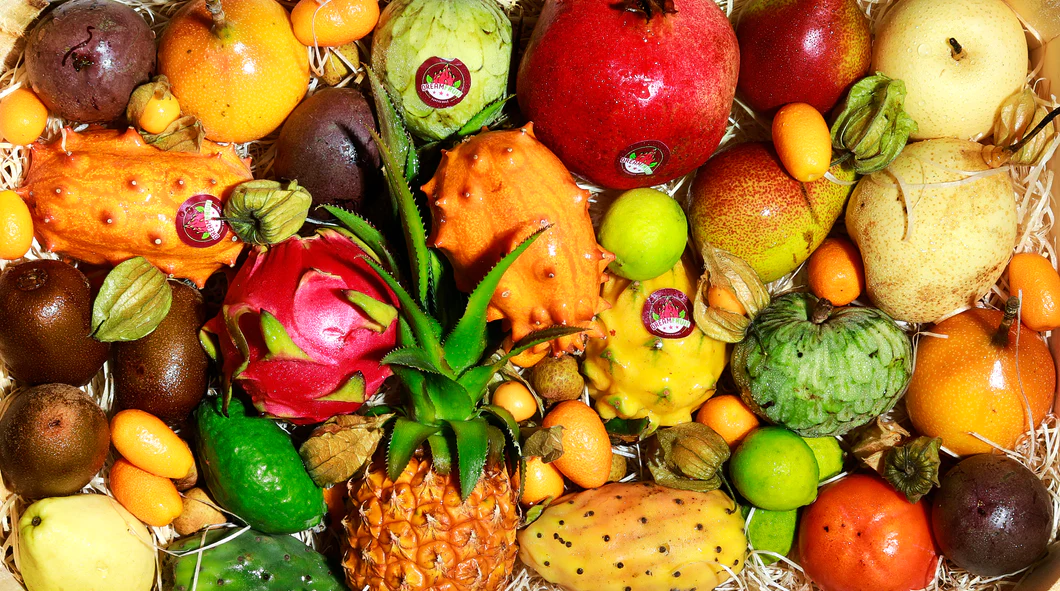
Fruit Art company is implementing the third stage of a project to process 25,000 tons of fruits and berries in Almaty region;

Shin-Line company is expanding ice cream production to 35,000 tons

Kapshagai Bidai Onimderi plans to process about 250,000 tons of grain and oilseeds;

Bayan Sulu is boosting confectionery production to 13,000 tons in Kostanay region;

Eurasia Agro Semey company is set to produce 7,200 tons of sausage products in Abai region;

26 projects worth 874 billion tenge, with the creation of over 3,500 jobs, are planned to be implemented in 2027, the minister said. They include:

In Astana - Tiryaki Holding’s project to process 250,000 tons of wheat and 80,000 tons of peas;

In Akmola region - Dalian Hesheng Holding Group plans to process 1 million tons of wheat, and KazEggs plans to launch deep processing of 1 million eggs;

In Almaty region – PepsiCo plans to process 210,000 tons of potato, and Mars company plans to launch processing of 150,000 tons of livestock and crop products;

According to the minister, UBM Group is implementing two projects: production of 10,000 tons of forage in Kostanay region, and 48 tons of premix in Almaty region.

“The implementation of major projects in 2027 will significantly increase the output of high value-added products,” said Aidarbek Saparov.

Earlier, Qazinform News Agency reported that saiga population in Kazakhstan hit record 4 million.


Source - https://qazinform.com

23.08.2026

USA - Pennsylvania Opens $10M Aid Program for Freeze-Hit Growers

Pennsylvania will open a $10 million disaster-relief program Aug. 24 for fruit growers facing an estimated $150 million to $200 million in losses from a spring freeze, Gov. Josh Shapiro reported Thursday during a visit to an Adams County orchard.

23.08.2026

A year of change in Polish agriculture

Minister Krajewski highlights support for farmers and stronger agricultural resilience.

23.08.2026

Nepal - Hunting permits issued to protect crops from wildlife in Arghakhanchi

Amid growing damage to crops and increasing human-wildlife conflict, a system allowing the legal hunting of certain wild animals has been introduced in Arghakhanchi.

23.08.2026

Spain - Barrachina highlights 35.3 million in agricultural insurance for 21,000 professionals in the field

The Generalitat allocates 35.3 million to agricultural insurance in the Valencian Community to support 21,000 farmers and ranchers against increasing risks.

23.08.2026

India - Sodiem locals seek FIR against WRD over paddy crop damage

The Siolim-Sodiem gram sabha on Sunday resolved to initiate criminal action against the Water Resources Department (WRD) over damage to ready-to-harvest paddy crops allegedly caused by leakage and seepage from the Tillari canal.

23.08.2026

India - Bhilwara farmers face crop loss as yellow mosaic virus hits pulses

Farmers in Bhilwara district are in distress due to an outbreak of yellow mosaic, commonly known as yellow disease, affecting their pulse crops. 

20.08.2026

Philippines - Farm damage from ‘habagat’ and serial storms hits ₱1.7B

The agricultural damage caused by the recent typhoons has soared to more than P1.7 billion, affecting over 50,000 farmers and fisherfolk, according to the Department of Agriculture (DA).

20.08.2026

India - Tech Guard For Farms: MIT Muzaffarpur Students Develop AI Device To Protect Crops From Nilgai

For years, farmers in Bihar have relied on scarecrows, fencing and constant vigilance to protect their crops from nilgai, wild animals and birds. But these measures often lose their effectiveness as animals gradually learn to ignore them.