Morocco - Cold weather slows down the watermelon and melon campaign

22.05.2024 527 views

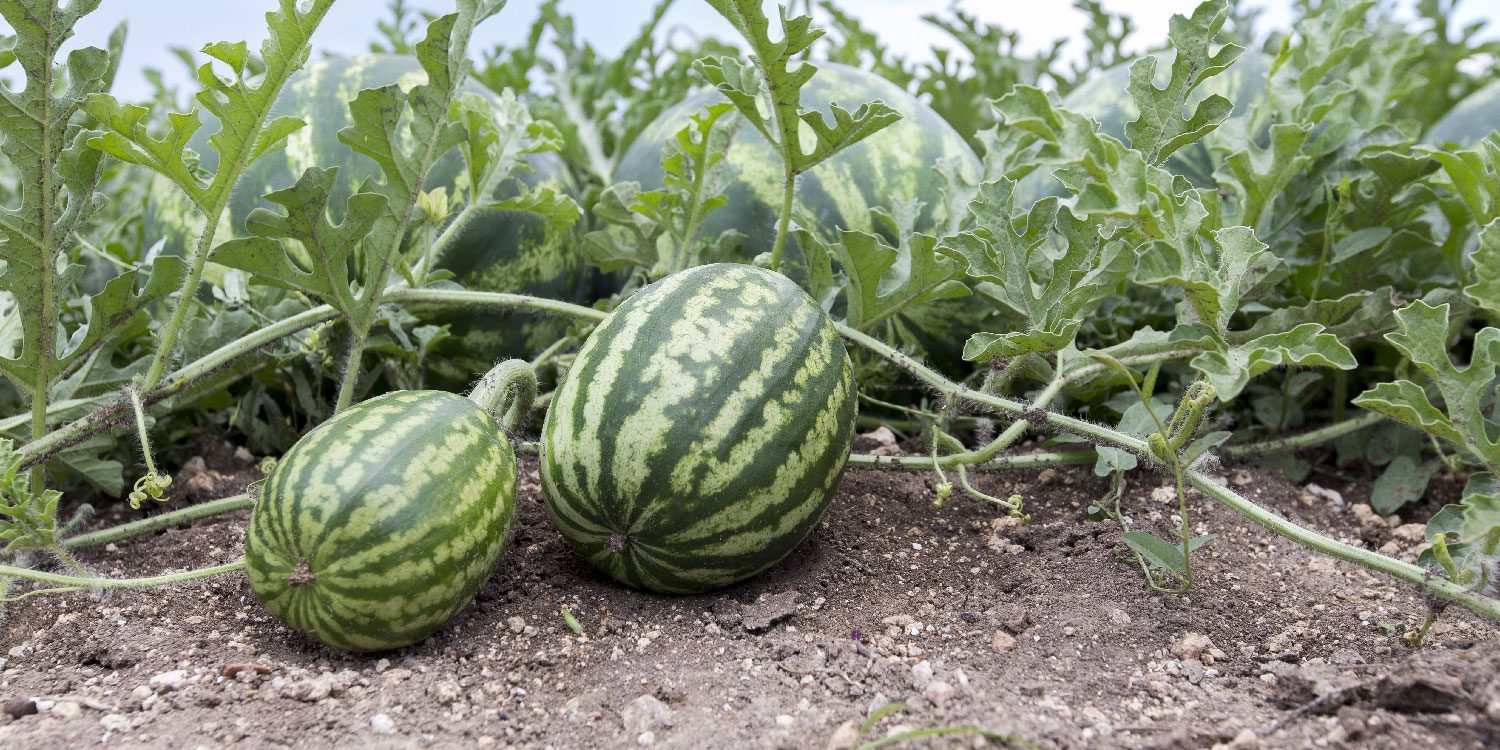
The melon and watermelon season in Morocco is once again being disrupted by odd weather conditions. In addition to the reduction in cultivated areas due to drought, the current colder-than-usual climate is delaying harvests.

Ahmed Bouljid, an exporter of various fruits: "We're witnessing a near suspension of the campaign. All watermelon-growing regions, from Souss, Haouz, and Kelaat Sraghna to Settat and Beni Mellal, are experiencing unusually cold weather at this time of year. This is delaying the development of melons and watermelons and exacerbating the drop in volumes caused by the drought and subsequent restrictions on production."

The shortage of watermelons and melons at a time of high demand is pushing up prices, explains Bouljid: "I receive orders from many markets such as France, Italy, and the Netherlands, but there aren't enough volumes to keep up with them all. On the local market, too, these fruits are expensive compared with a normal season. Farm-gate prices average 7 MAD per kg." [1 EUR = 10.7 MAD]

The first harvests from the Zagora region are now running out, says Bouljid "At the start of the season, watermelon exports from Zagora were around 400-500 tonnes a day, and even 1000 tonnes on the busiest days. At present, ports are almost empty of watermelons".

The exporter assures: "We expect a recovery in a few weeks. The harvest peak - all regions combined - is expected to happen in the second week of June."

On the administrative level, exporters are adapting rather well to the new export requirements, according to Bouljid. To recall, the start of the Moroccan season was tainted by an alert on the presence of high levels of pesticide residues. Moroccan health authorities then imposed stricter export conditions.

Bouljid concludes: "ONSSA and Morocco Foodex are doing a good job and have supported us in adopting the new requirements. Moroccan watermelons and melons are guaranteed in terms of quality, and the export process is currently smooth, albeit rigorous."

Source - https://www.freshplaza.com

30.08.2026

Serbia's Drought Halves Crop Yields, Few Farms Insured

Drought in July and August 2026 cut yields by more than half in parts of Serbia, but only 15 percent of farmland is insured. A corn policy costs about 4,500 dinars per hectare.

30.08.2026

India - Maharashtra Approves ₹23.33 Crore Aid For 17,245 Farmers Hit By Crop Damage

The Maharashtra government has sanctioned ₹23.33 crore in relief for 17,245 farmers whose crops were damaged by floods, excessive rainfall, cyclones and hailstorms. 

30.08.2026

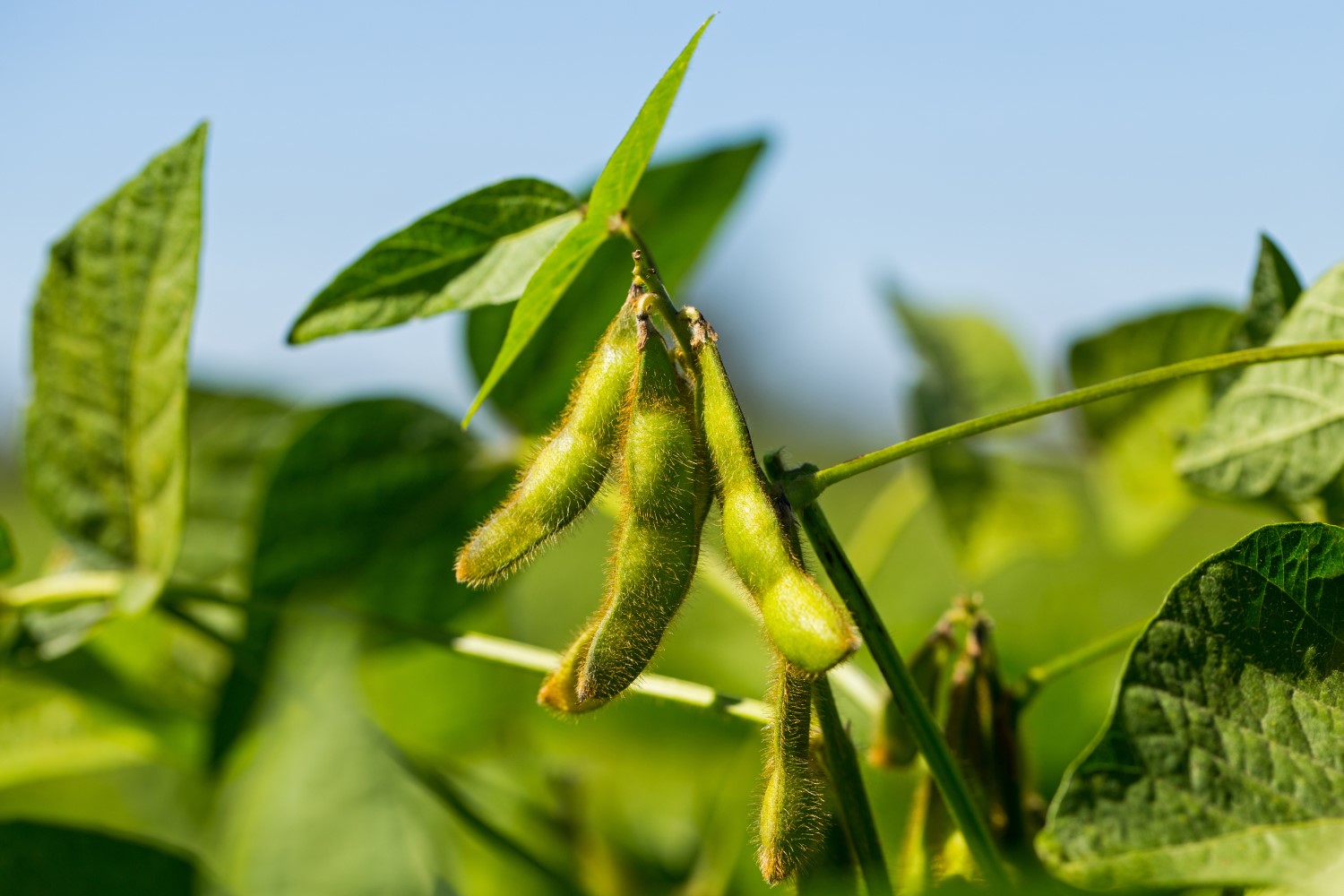
South Korea - Daedong launches soybean-specialized combine DSF85 to cut cracking, crop loss

Daedong has unveiled a new full-feed combine focused on reducing soybean cracking and crop loss during harvest.

30.08.2026

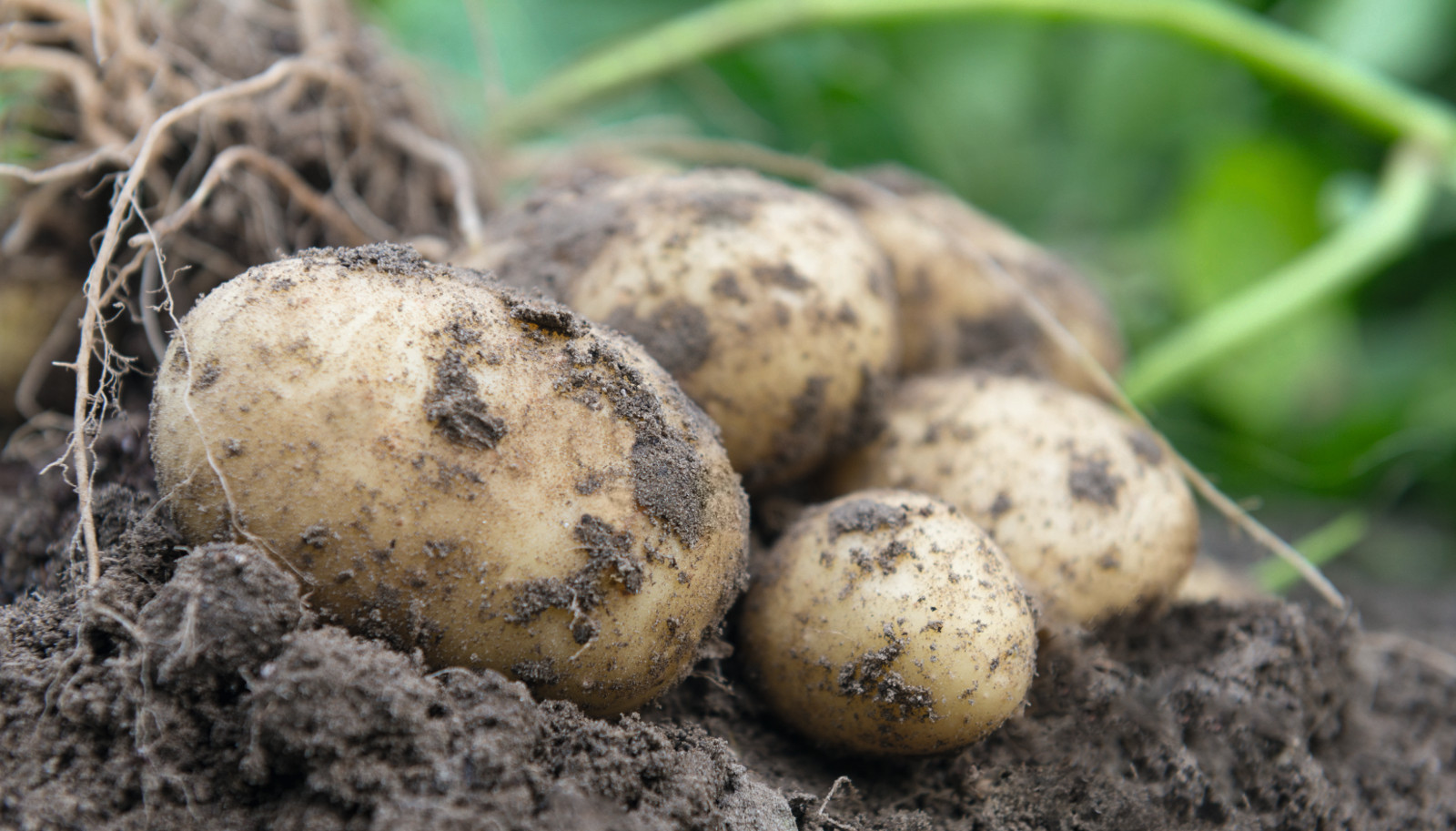
UK drought tightens its grip on potatoes, but scale of crop losses remains uncertain

England and Wales are experiencing an exceptional drought, with potato growers facing reduced tuber growth, irrigation restrictions and increasingly difficult harvesting conditions. The evidence supports serious concern—but not every alarming headline can yet be translated into a national crop-loss figure.

30.08.2026

India Overhauls Farm Insurance Scheme with AI and Satellite Tech

India is upgrading the Pradhan Mantri Fasal Bima Yojana (PMFBY) using AI, drones, and satellite mapping to accelerate insurance claim settlements. 

30.08.2026

Kenya turns to digital livestock IDs to improve animal health, traceability

The system will capture information including an animal’s origin, ownership, health status, vaccination history and movements.

27.08.2026

Crop Insurance Add-Ons Surge as U.S. Farmers Expand Subsidized Coverage Nationwide

U.S. farmers sharply expanded area add-on crop insurance in 2026 after federal subsidies rose to 80%, reshaping coverage and federal costs.

27.08.2026

China grain imports in focus as crop damage hits key producing regions

Extreme heat, heavy rain and flooding across key Chinese farming regions are putting global grain and cotton exporters on alert, as markets assess whether crop damage could increase China’s import needs.