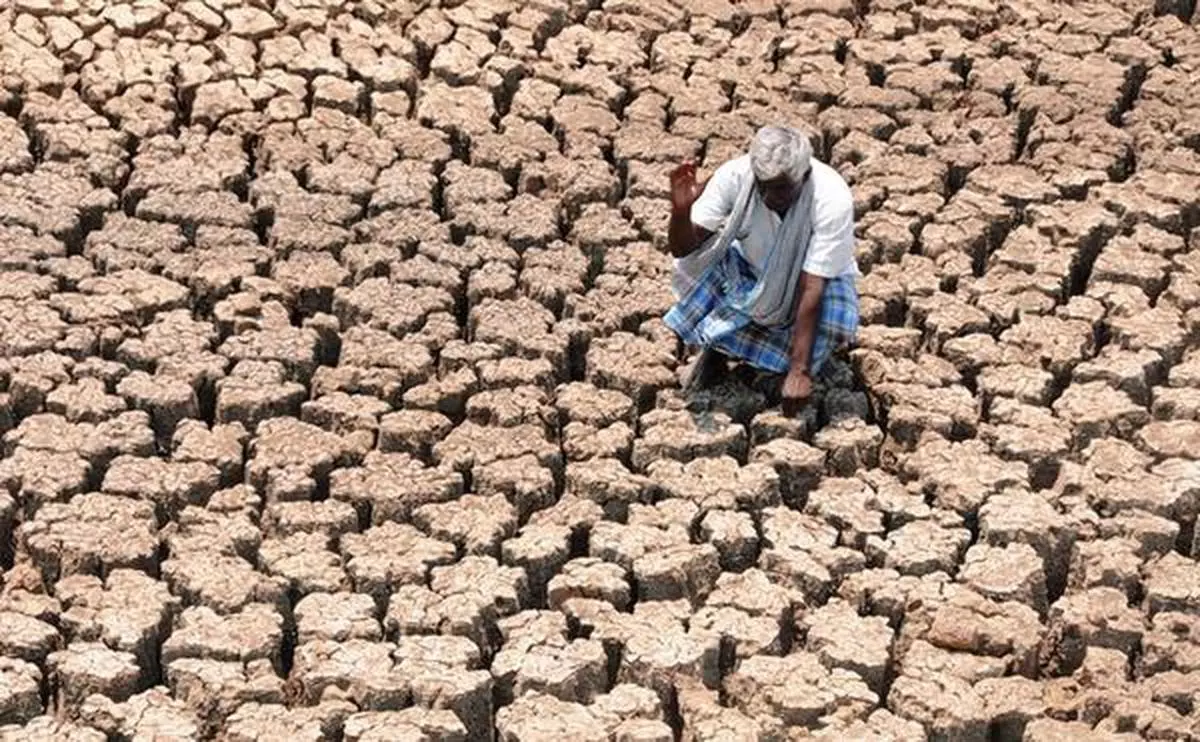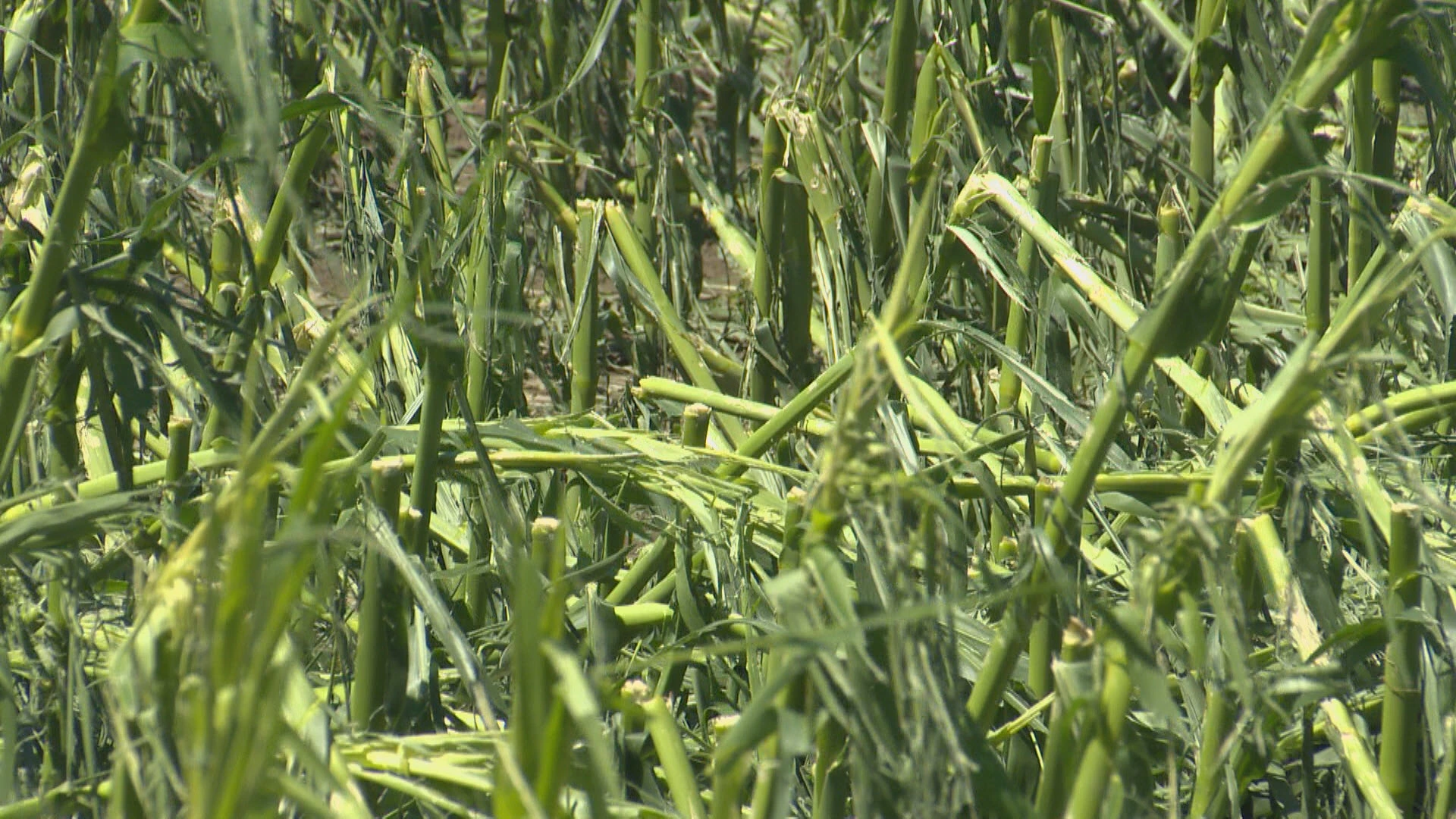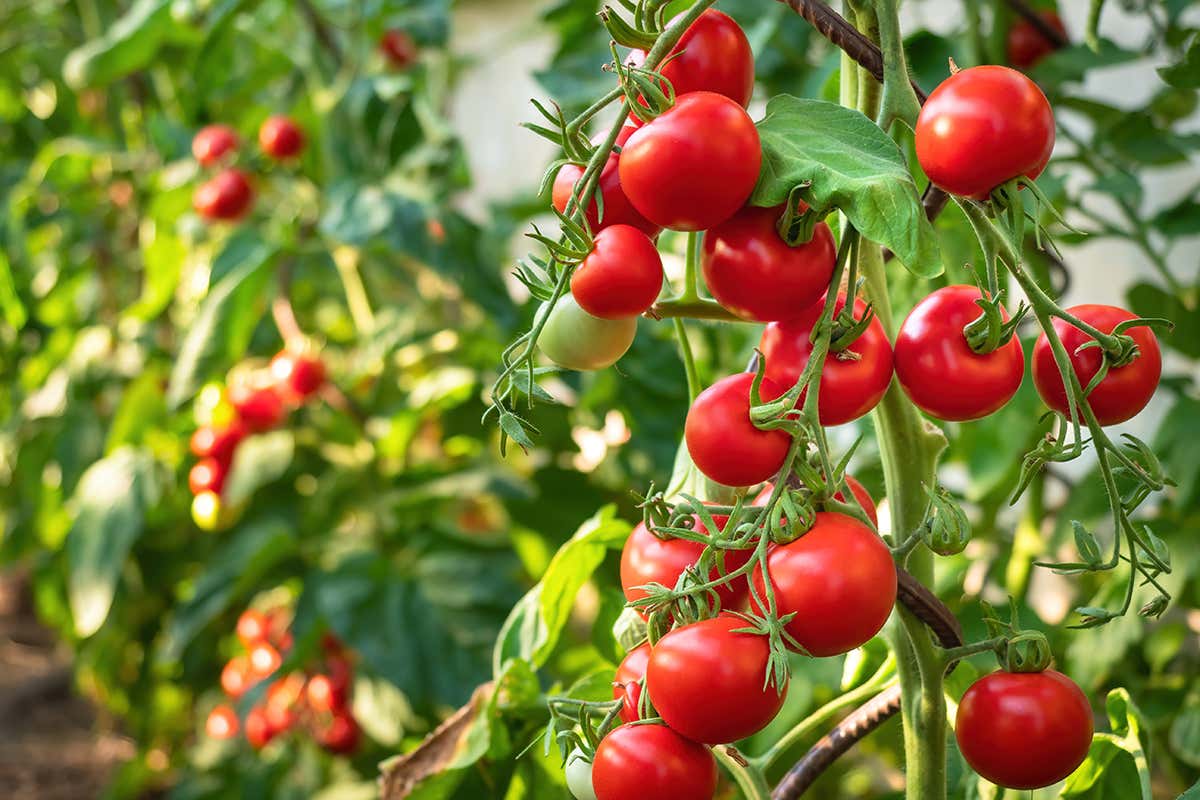
Due to the weather conditions in several European and African countries, there is a shortage of several products, such as tomatoes, says Fatiha Charrat, deputy managing director for Moroccan fresh produce exporter Delassus Group.
"Bad weather in Morocco and Spain has disrupted vegetable harvests this year. This has led to European shortages of salads commodities such as tomatoes, peppers, zucchini, and so on. As a result, prices increased by 11% without fully covering the demand. In England, supermarkets regulated purchases from consumers. Images of empty displays circulated in the media, and the subject was discussed widely on TV. On the continent, these products were still available, but at very high prices, which in some way was a kind of rationalization."
According to Charrat, there are several reasons for the shortages of tomatoes and other vegetables. "First, there's a climatic effect. During the first six weeks of 2023, it was very cold in the Souss region, Morocco's main tomato-growing area. Temperatures ranged from 1 to 13 degrees Celsius, with high thermal amplitudes. This simply burned a couple of bunches of tomatoes, which were to be harvested in March. In addition, the remaining tomatoes had setting issues and ended up with a small range. That's why we saw, for instance, a 17% drop in the Duroc crop. In March, just after this cold period, the temperature increased correctly during the day to reach up to 32 degrees during the day, but at night, the temperature dropped to 13 degrees. Plants stressed by these changes blocked the fruit's coloration."
Then there's the issue of not having enough tomatoes in the local market in Morocco as Ramadan has begun. Charrat explains: "Secondly, exporters have been under pressure from their partners. Most of the tomatoes produced in Morocco have been exported, leaving a local market deprived of prohibitive prices for Moroccan consumers, especially during the Ramadan period. Tomato is the basis of the Harira soup that all Moroccans should have on their iftar table each day. Food inflation jumped to 20.1% last month, bringing general inflation to 10.1%, a level unequaled since the '80s. Therefore, the Government has no choice than restrict tomato exports with a total ban in place from week 13 to help lower domestic prices. The Agriculture Ministry had agreed on a daily quota of tomato exports of 700 tons a day before stopping all exports of round tomatoes. In two weeks, the export will go back to normal as Ramadan comes to an end."
Thanks to the weather, Charrat feels there will be no period where winter and summer production are available this season. "We expect the shortage to carry on until mid-May. The peak period that was to occur in March and April, because of the overlap between winter and summer production, will not happen due to weather issues. Climatic challenges could bring more risks this summer, tbilisi escort such as tuta absoluta attacks, as well as the Rugose virus spread."
Morocco's exports of fruits and vegetables performed well last season, and up to now, Charrat states: "Our country's fruit and veg exports reached a volume of 1,607,000 tons during the 21-22 season, an increase of 13% compared to the season before that. Tomatoes accounted for 50% of Morocco's fresh produce exports. It reached 670,000 tons, an increase of 19% compared with the previous season. Morocco is the fifth largest exporter of tomatoes worldwide. The volumes of tomatoes exported have increased by 44.7% since 2015. Currently, the country is one of the fastest-growing tomato exporters in the world. On the other hand, Spain's export volumes have been decreasing by an average of 3% per annum."
"Morocco has turned its focus towards producing snacking tomatoes, cherry tomatoes, and baby plums instead of conventional tomatoes. These lines are getting more popular among consumers in the EU. Duroc, one of the leading Moroccan growers and exporters of tomatoes, was the first to shift totally to snacking tomatoes in 2005. Since 2011, its volume has kept increasing from 21,000 tons to 65,000 tons, expected this season. Meanwhile, the United Kingdom market was the first to demonstrate its preference for snacking tomatoes, thanks to a steadily rising consumption."
On a less positive note, Moroccan growers and exporters are suffering from higher costs at all levels, says Charrat: "The inflation affects the whole value chain and starts near to the plants with fertilizers, water, packaging, and transport. These new costs are linked directly to the Russian/Ukrainian war."
Source - https://www.freshplaza.com