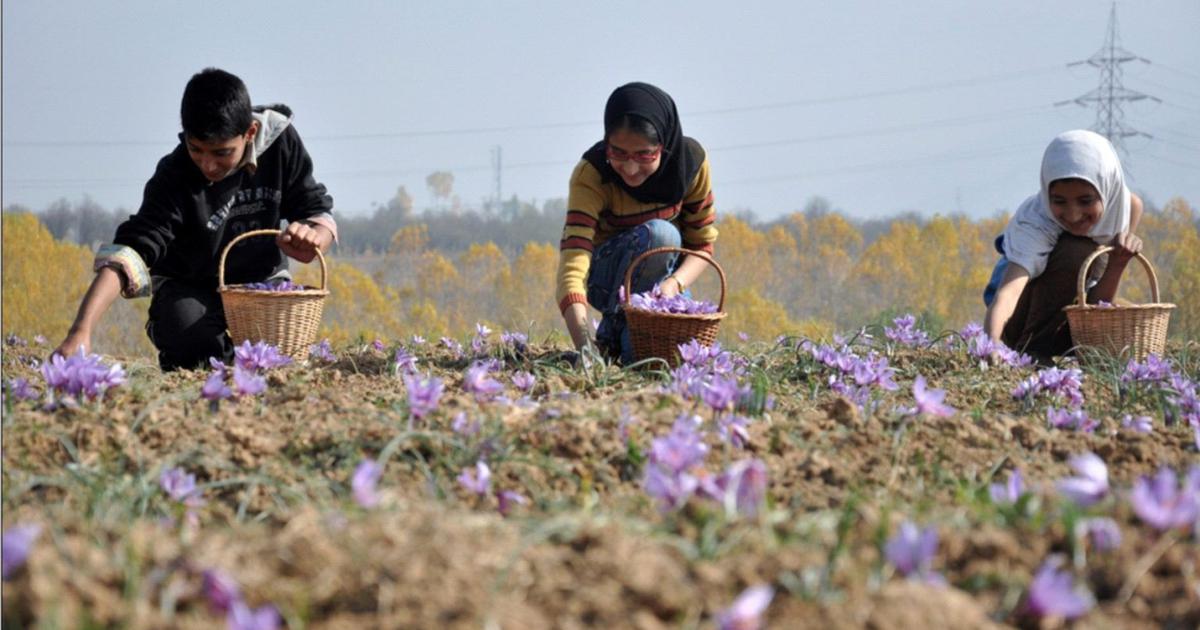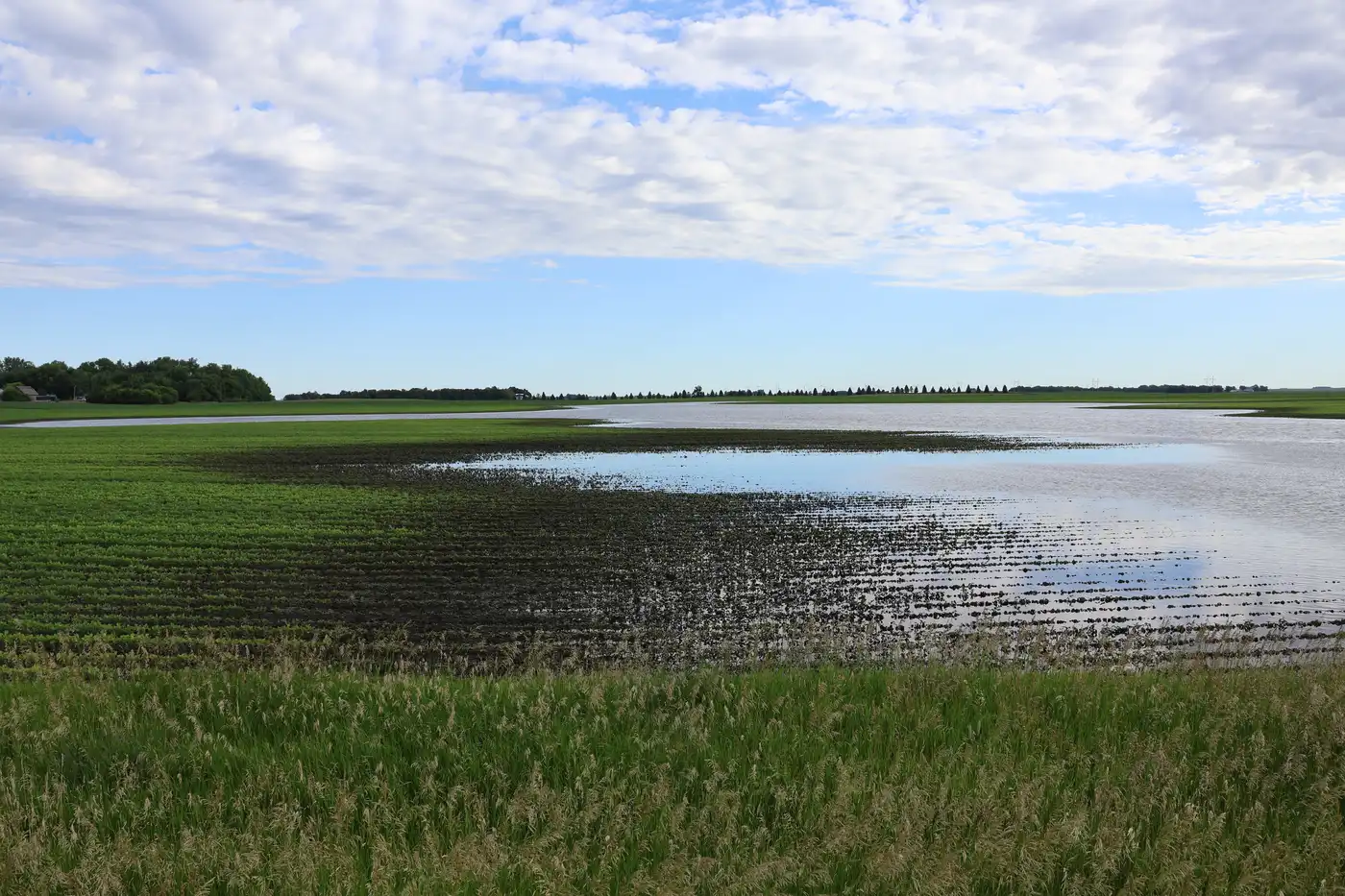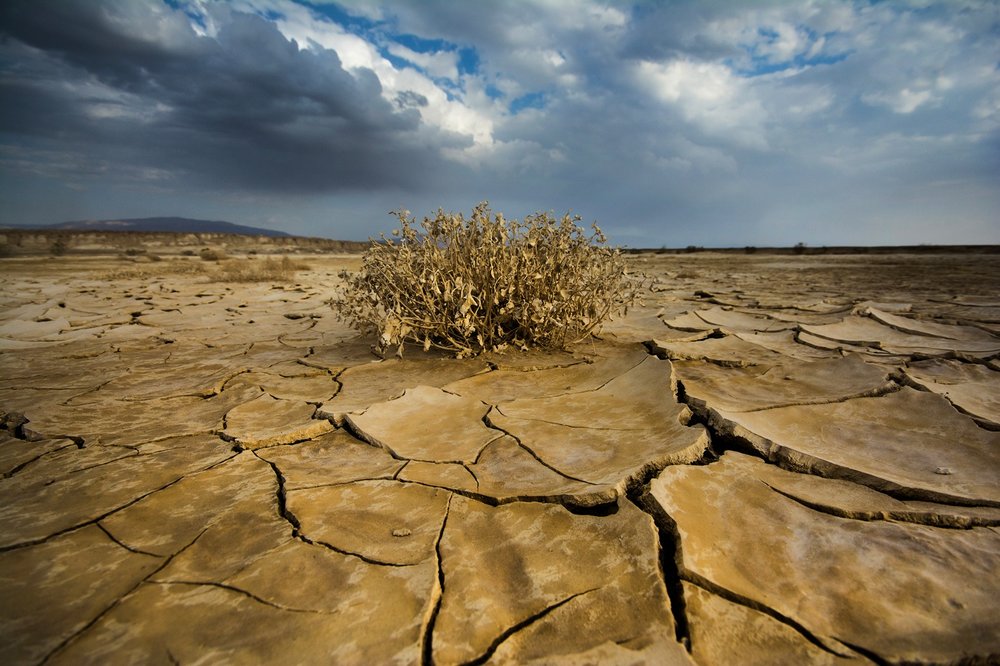
As the current rainy season draws closer to an end, many farmers in the country are riddled with concerns about the time ahead.
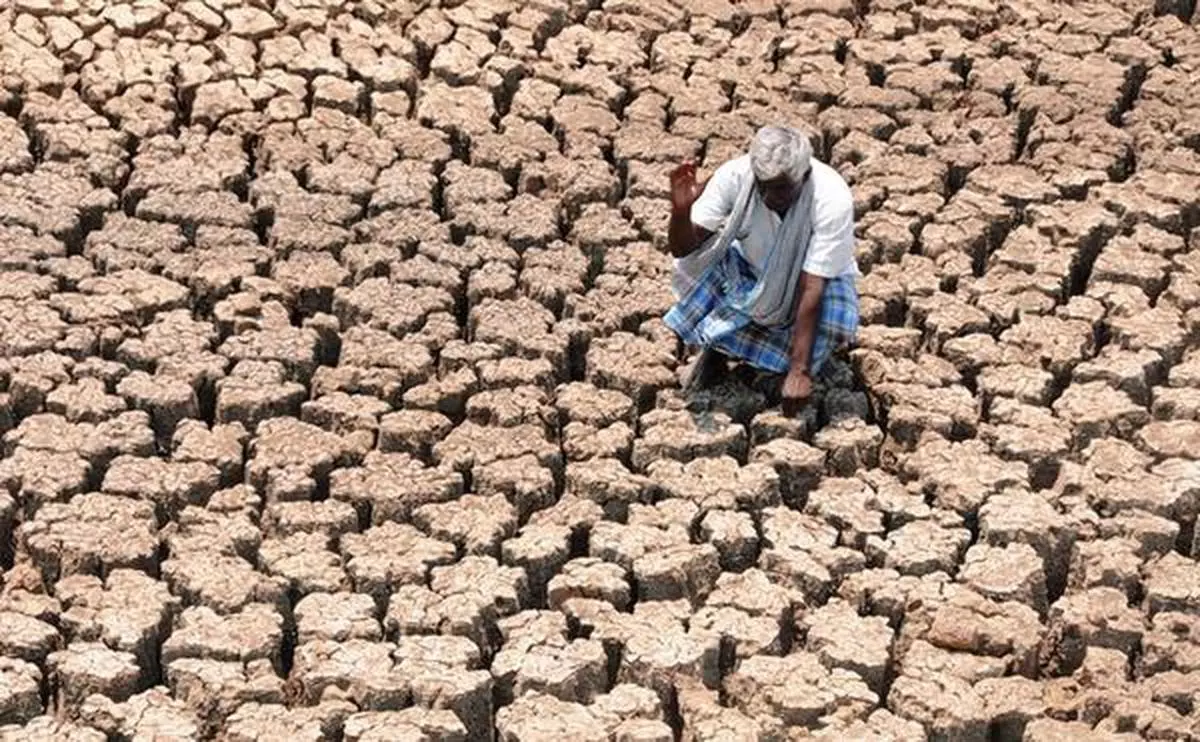
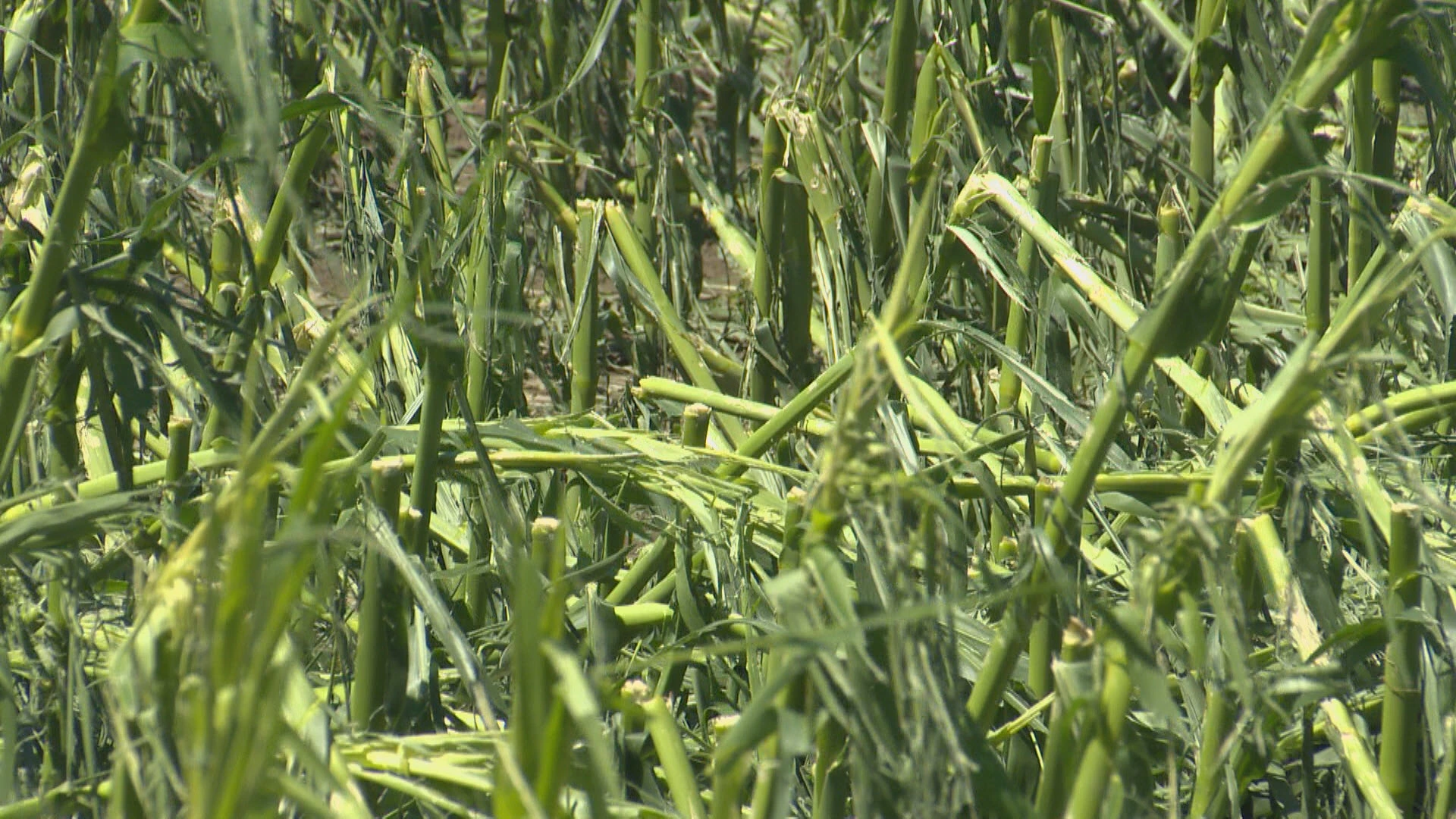
Most parts of Namibia that were forecasted to receive normal to above-normal rains have experienced below-average annual rainfall, which has created a sense of panic as a drought year looms over the country.
However, with each year being unique due to erratic rainfall and the associated effects of climate change on agricultural production, farmers are urged to develop and adopt drought-coping strategies to protect their farming businesses.
It is worth noting that each business has its unique challenges, and that the business must have mitigation or coping strategies in place to be able to cope with these unforeseen challenges.
This principle applies to any farming business and, therefore, farmers should have a coping strategy for his/her farming business. Let us consider the strategies below: First and foremost, it is imperative for farmers to always plan for the rainy season; this is crucial because farmers are expected to collect rainfall records from the previous rainy season. These records will help the farmer identify the distribution of rainfall across the four-month period in which it was received, its intensity and the dry spells that were noticed.
This is important, as it helps farmers plan for prolonged dry spells to minimise the scorching of crops and pasture growing on rangelands. Once it has been found that rainfall spells are on average six to eight days per month, a farmer can plan to incorporate an irrigation system to meet the water requirements of the crops or pasture that are grown. This minimises the possibility of crop failure that may result in income losses for the farmer or the scorching of valuable pasture growing on the rangeland.
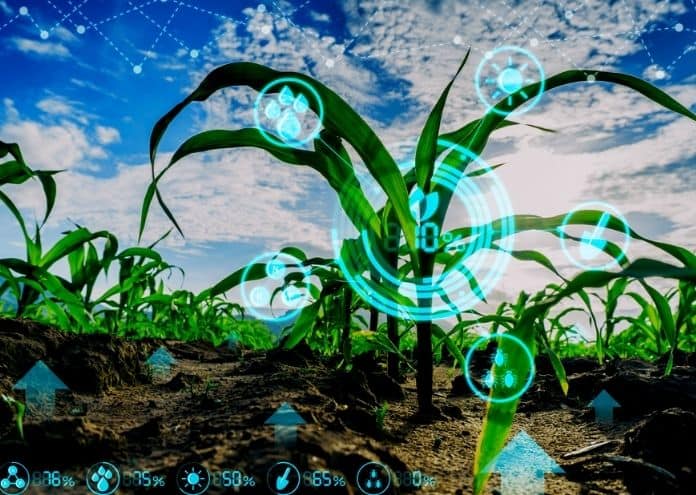
The second strategy involves paying attention to the varieties or cultivars of crops that farmers buy and grow in their crop fields, especially if their production is done under rainfed conditions (reliant on rainfall as the main source of irrigation).
When buying seeds, farmers are urged to always consider varieties with shorter growing periods – and usually, these varieties are indicated as early maturing varieties.
Furthermore, attention must be given to varieties with characteristics of drought tolerance and pest resistance, as these varieties are more likely to attain better yields and harvests, albeit sporadic rainfall.
For livestock farmers, the focus must be on rangeland reseeding, using local seeds from indigenous grasses, such as Blue Buffalo, which is a hardy perennial grass with high grazing value.
The seeds can be collected from the end of April from areas such as riverbeds in urban areas, such as Windhoek, and along major national roads.
Increasing the seed bank of the soil with good indigenous seeds enables rangelands to utilise the scarce moisture from rainfall to grow valuable grasses that can support livestock during hard times.
Thirdly, farmers are urged to invest in their farming businesses by taking up loans or investing funds for drilling reliable water sources, such as boreholes that utilise underground water sources.
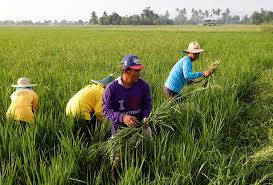
Such investments enable farmers who farm with livestock to dedicate at least two hectares for pasture production, where they irrigate the land to grow grass, lucerne and other fodder crops that can be fed to their livestock. Crop farmers having access to unlimited water means being able to produce crops all year round.
This will enable a farmer to produce crops successfully, as their water requirements can be met with ease. If one intends to grow maize under irrigation, it becomes relatively easier for the farmer to meet the 500 mm that the crop requires during its 4-month growing period.
This ensures that yield per hectare is not compromised, as the crops are not affected by water shortages at crucial stages of growth, e.g., the flowering stage.
The least utilised strategy is rainwater and floodwater harvesting. Whenever rainfall is received in abundance, 60% to 70% of the water is lost through surface runoff or either ends up being collected by some catchment water bodies, such as shallow plains (Oshanas)or streams that flow into major rivers, resulting in flash floods.
Farmers can harvest rainwater in earth dams or install water tanks to collect rainwater from roof gutters. Storing abundant water during hard times, such as when drought conditions prevail, can enable farmers to irrigate small portions of land to aid the regrowth of fodder material for their core breeding herds (usually bulls and productive cows).
Moreover, when water is preserved and stored in tanks or reservoirs that are closed off or covered, it minimises water loss through evaporation, enabling farmers to grow their crops easily and produce all year round.
Therefore, to summarise, when water is stored and hard times, such as droughts hit, there will always be a coping strategy in place. Farming is a fruitful undertaking, but it is also very sensitive to climate change.
With drought being a major threat that we face as a nation in 2023, farmers are strongly urged to develop robust coping mechanisms that can ensure that even during tough times, they can still be able to produce products that they can sell and maintain their income streams.
“A farmer is a master of his environment and always makes a plan”.
Source - https://neweralive.na