-2.jpg)
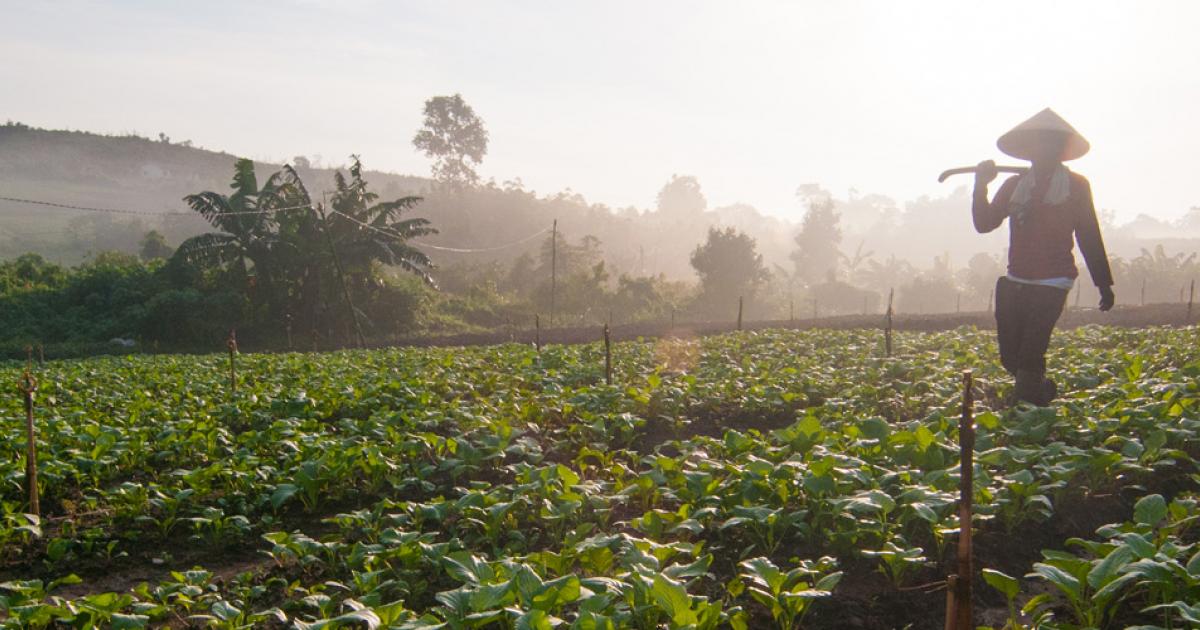
Farmers in the Zambezi region's Balyerwa conservancy, which is bordered by Mudumu and Nkasa Rupara National Parks, fear for their lives because of the elephants that visit their homestead every night to feed on their crop fields.
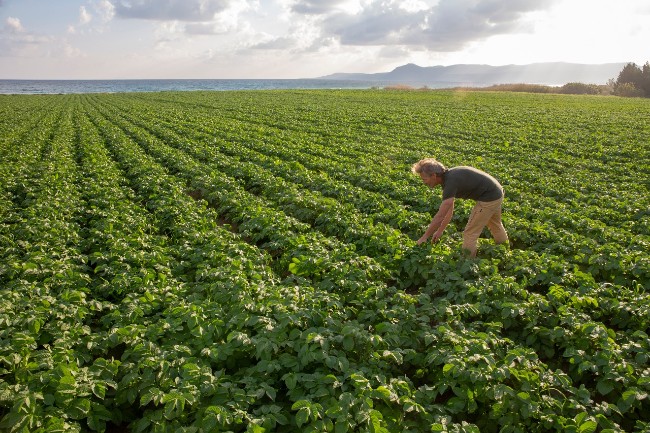
A farmer in the Sangwali area, Lister Rutiyo, told The Namibian yesterday that a heard of 16 elephants visited his home on Sunday and Monday night, destroying four hectares of his crop field.
“They come around 19h00. You won't even hear them until they are already busy in the crop fields. I am unable to protect my family because I don't have a big gun to scare them away. On Monday night, they were four metres away from my house. I attempted to scare them away with my shotgun but it did not help,” he said.
According to Rutiyo, the elephants mostly like to eat watermelon, pumpkin, sugar cane, sorghum and maize.
He reported the issue to the conservancy office, and they visited his fields to assess the damage caused by the elephants, he said.
Another farmer, Raymond Munanzi said despite wanting to coexist with the elephants, they are losing out because they depend on their crops to earn an income.
“So far, the elephants have destroyed one hectare out of 18 hectares I ploughed this year. It's discouraging because we spend money to plough every year, but we can't give up as it's our livelihood,” he said.
Munanzi added that even if they could alert the conservancy when they spot the elephants, it would not help because the rangers are not equipped to scare them away.
“Even fencing our fields doesn't help because they destroy the fence and enter. We really don't know what else can be done to mitigate the human-wildlife conflict in our area. Every day these elephants are in our fields and they are dangerous. On Sunday night, one was in my field and there was nothing I could do,” he said.
Environment minister Pohamba Shifeta, during his 2022/23 financial year budget statement in the National Assembly recently, described human-wildlife conflict as a challenge which they are continuing to address.
He added that during the current financial year, the ministry was allocated a total of N$478 952 000 of which N$438 952 000 will be for the operations and N$40 000 000 for development.
This is an overall decline of 16% compared to 2021/2022,
According to Shifeta, they have allocated N$193 303 620 to wildlife and protected area management, which covers interventions to support the community-based natural resources management programme, combat poaching, prevent and mitigate human-wildlife conflict and to deliver benefits to communities from the protected area network.
Shifeta further revealed that in 2021, a total of 590 human-wildlife conflict cases were reported, of which 360 cases were for crop damages, 206 cases of livestock losses, 14 for injuries to people by wild animals and 10 cases of human lives lost due to crocodile, hippo and elephant attacks.
They paid N$770 000, N$1,2 million, N$140 000 and N$1 million, respectively, to those affected, and for funeral assistance.
“Under the human-wildlife conflict self reliance scheme, over N$3,5 million was paid to 46 communal conservancies to offset losses incurred by their respective members as a result of human-wildlife conflict incidents,” he said.
Source - https://www.namibian.com.na