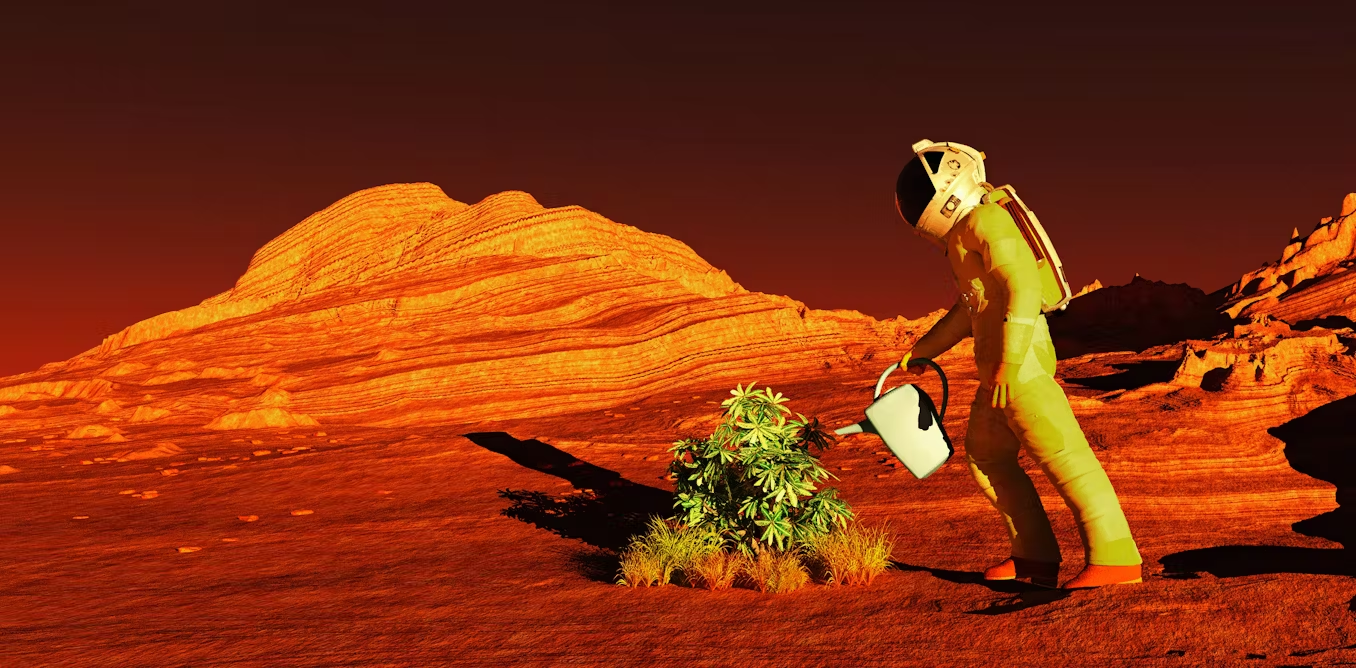
At Wageningen University & Research in the Netherlands, scientists have embarked on research to enhance space farming techniques, crucial for future human settlements on Mars. Exploring intercropping as a food production strategy in Martian colonies.
"Future colonists on Mars will need to produce fresh food locally to acquire key nutrients lost in food dehydration, the primary technique for sending food to space. In this study we aimed to test the viability and prospect of applying an intercropping system as a method for soil-based food production in Martian colonies. This novel approach to Martian agriculture adds valuable insight into how we can optimise resource use and enhance colony self-sustainability, since Martian colonies will operate under very limited space, energy, and Earth supplies", the team shares.
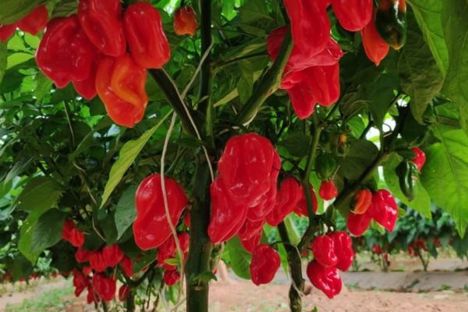
A likely early Martian agricultural setting was simulated using small pots, a controlled greenhouse environment, and species compliant with space mission requirements. Pea (Pisum sativum), carrot (Daucus carota) and tomato (Solanum lycopersicum) were grown in three soil types ("MMS-1" Mars regolith simulant, potting soil and sand), planted either mixed (intercropping) or separate (monocropping). Rhizobia bacteria (Rhizobium leguminosarum) were added as the pea symbiont for Nitrogen-fixing. Plant performance was measured as above-ground biomass (g), yield (g), harvest index (%), and Nitrogen/Phosphorus/Potassium content in yield (g/kg). The overall intercropping system performance was calculated as total relative yield (RYT).
"Intercropping had clear effects on plant performance in Mars regolith, being beneficial for tomato but mostly detrimental for pea and carrot, ultimately giving an overall yield disadvantage compared to monocropping (RYT = 0.93)", they conclude.
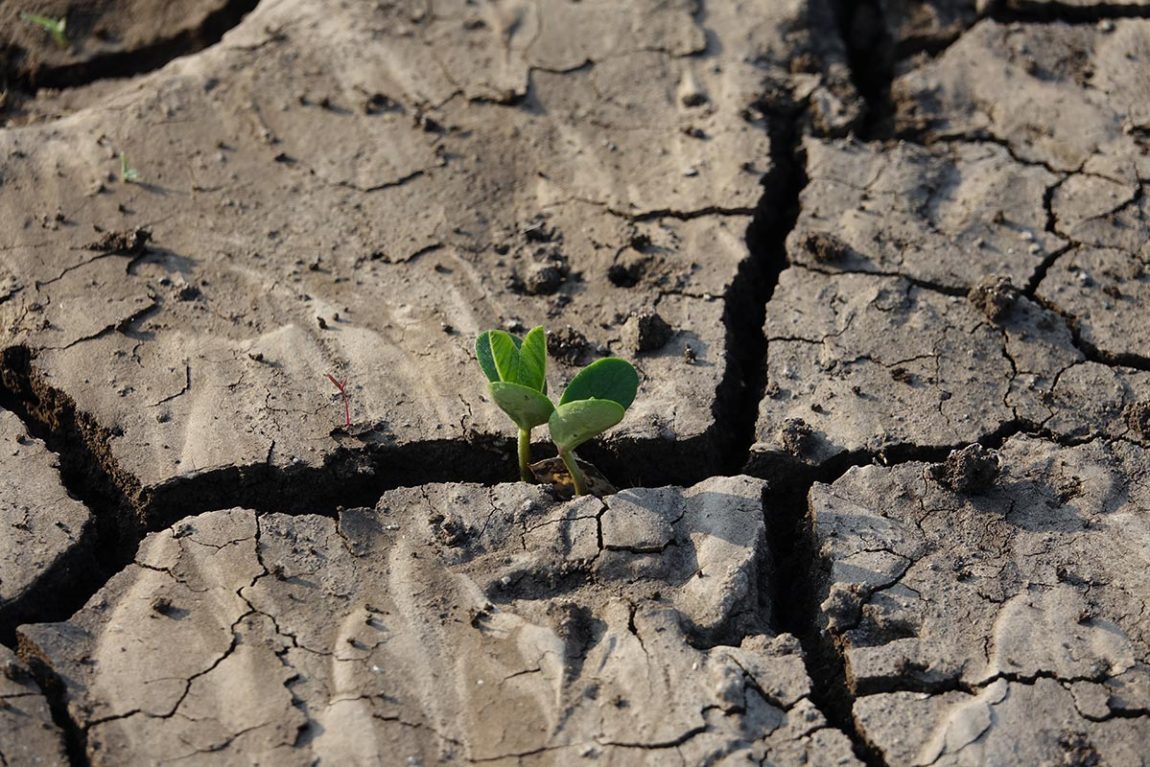
This effect likely resulted from the observed absence of Rhizobia nodulation in Mars regolith, negating Nitrogen-fixation and preventing intercropped plants from leveraging their complementarity. Adverse regolith conditions-high pH, elevated compactness and nutrient deficiencies-presumably restricted Rhizobia survival/nodulation. In sand, where more favourable soil conditions promoted effective nodulation, intercropping significantly outperformed monocropping (RYT = 1.32).
"Given this, we suggest that with simple regolith improvements, enhancing conditions for nodulation, intercropping shows promise as a method for optimising food production in Martian colonies. Specific regolith ameliorations are proposed for future research."
Source - https://www.freshplaza.com