Netherlands - With temperatures ranging from 15 to 18 degrees, melon consumption is not taking off

17.06.2024 445 views

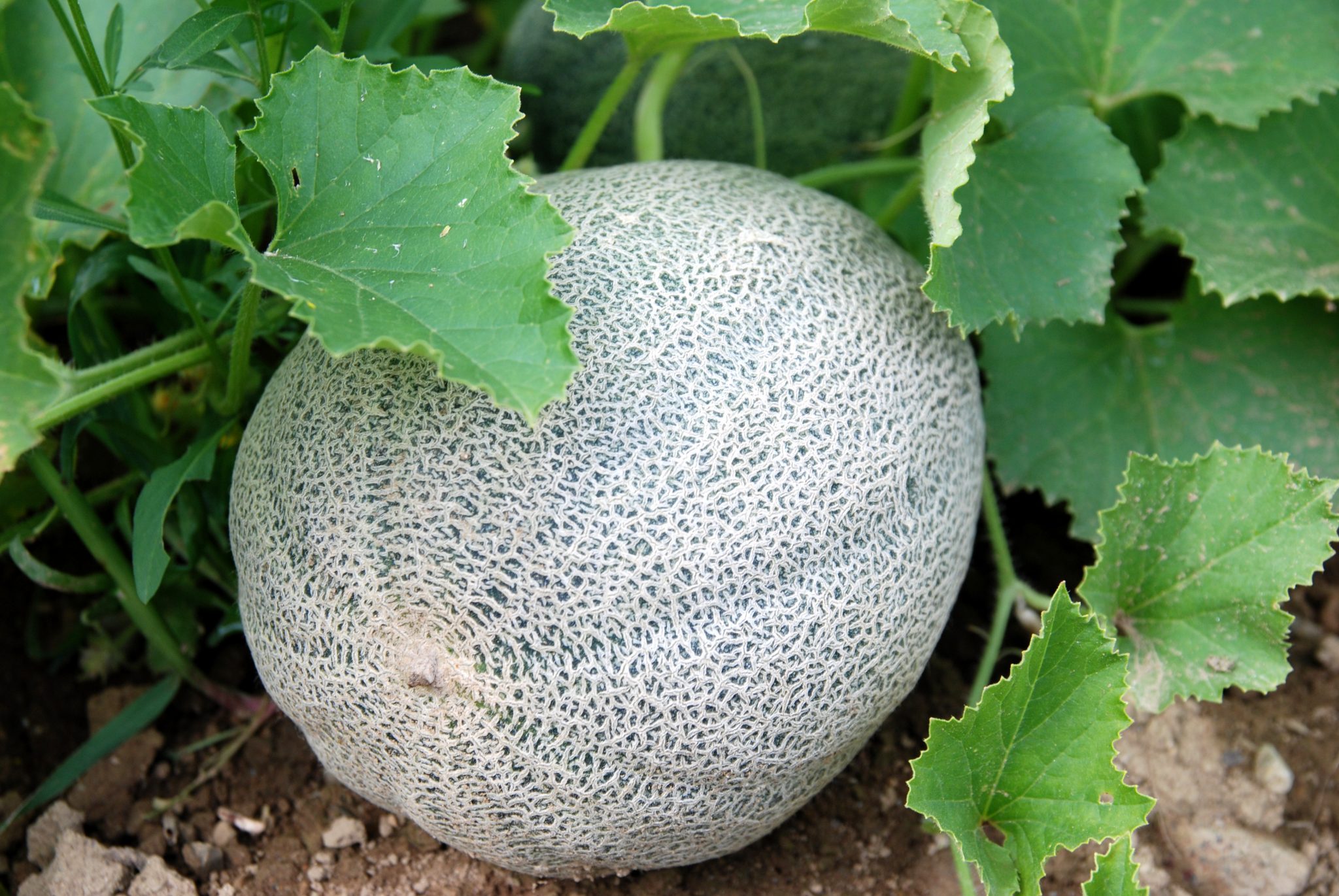
Traditionally, melon sales can be gauged by the thermometer, and therefore, this year has been challenging. "The weather dictates sales and prices, and with this cold, wet, windy spring, we're facing a severely disappointing melon market. At temperatures of 15 to 18 degrees, you simply can't get melon consumption off the ground," explains Leon van den Hombergh of Frankort & Koning.

"We wrapped up the overseas season a few weeks ago. Spain started with relatively small volumes from Almería, which were just about absorbed by the market, but then volumes from Italy, Turkey, Greece, and Murcia hit the market, and for those, we really need higher consumption," says the importer.

"And then, European retailers have quite a few promotions planned, but due to disappointing sales, they will also be cautious about scheduling the next ones. At the same time, there's no other fruit that is performing exceptionally well. After all, we're already halfway through June, and there's no fruit that is being consumed well above expectations. A slight weather improvement is expected next week, but it will by no means be sufficient to kickstart stable sales," Leon anticipates.

"For now, we're seeing disappointing prices, both farm-gate and retail. Everyone makes certain forecasts, and when these are not met, stocks still hit the market, with all the quality consequences that entails. Currently, Galia and Cantaloupe melons are being sold for 5 euros per box, and watermelons are going out the door at a kilo price of 70 cents. Overall, prices that cannot be satisfactory through the entire chain. The only thing that could now lead to a revival is the bad weather in Spain, including local hail in Murcia, resulting in fields not being harvested, which means less volume is harvested and shipped."

Source - https://www.freshplaza.com

30.11.2025

EPA urged to ban spraying of antibiotics on US food crops amid resistance fears

Use of 8m pounds of antibiotics and antifungals a year leads to superbugs and damages human health, lawsuit claims.

30.11.2025

Desert locust outbreak threatens agriculture in southern Morocco, warns FAO

The desert locust outbreak in Mauritania and Morocco’s southern provinces persisted throughout November, with numerous hopper groups, bands, and small swarms continuing to move north, according to the latest FAO update. 

30.11.2025

Nigeria - NADF move to infuse insurance packages into Agriculture loans

In a deliberate move to infuse insurance into agricultural loans, the National Agricultural Development Fund (NADF) has signed a tripartite Memorandum of Understanding (MoU) with Leadway Assurance Company Limited and Verdure Climate to scale up innovative agricultural insurance and climate-resilient finance for smallholder farmers.

30.11.2025

Nigeria - Aiyedatiwa approves $42m agricultural city project in Ondo community

Ondo State Governor, Mr Lucky Aiyedatiwa, has approved the establishment of the Ondo Agricultural City in Iju-Agbonrin/Ori-Ohin, in Ose Local Government Area of the state, by KONIG Agriculture Ltd.

30.11.2025

First suspected bluetongue outbreak in Northern Ireland under investigation

The first suspected bluetongue virus outbreak in Northern Ireland is under investigation.

30.11.2025

Australia - NSW Launches $20 Million Boost for Aquaculture Growth

The Minns Labor Government has launched a $20 million Aquaculture Industry Development Program, aimed at expanding and strengthening the state’s aquaculture and seafood sectors. 

27.11.2025

Greece Offers €56 Million Emergency Aid for Livestock Farmers

Greece has launched a €56 million emergency support package for livestock farmers affected by sheep and goat pox and plague, including compensation for culled animals and expanded feed subsidies announced the Ministries of National Economy & Finance and Rural Development & Food.

27.11.2025

India - Road widening squeezes irrigation canal in Baramulla; farmers fear massive crop loss

They said the Beacon authorities have reconstructed the canal at barely one foot wide—down from its original three-foot width—jeopardising irrigation for hundreds of acres of farmland.