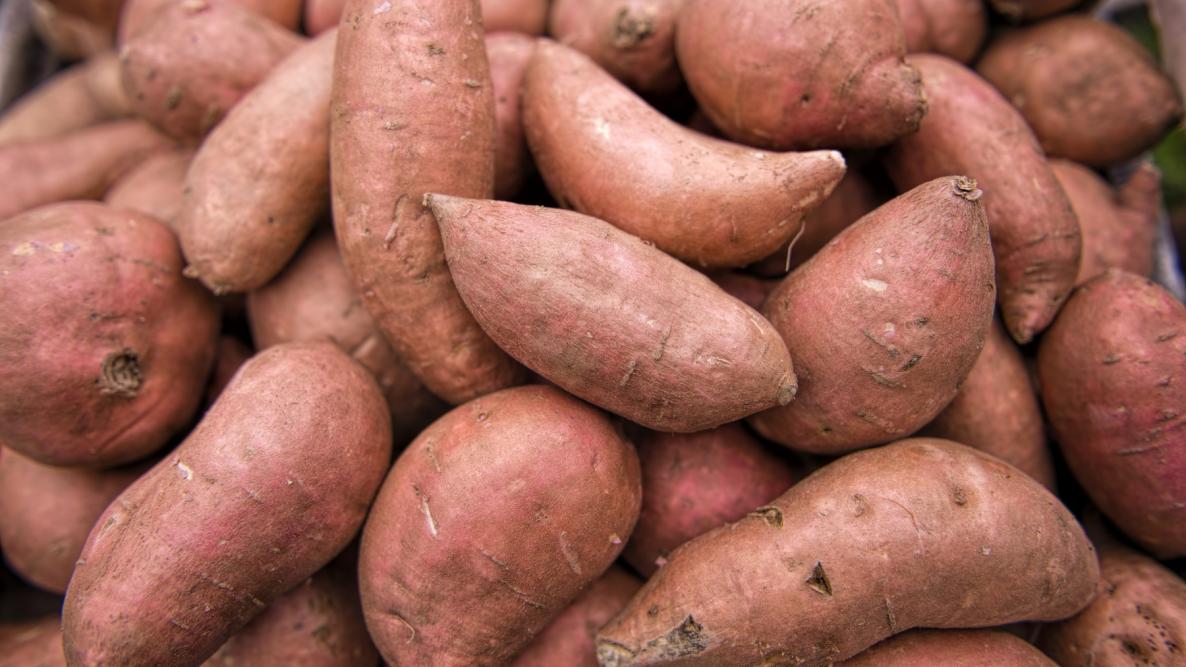
Kūmara packers have had working hours slashed after this year's crop was ravaged by Cyclone Gabrielle- but packhouse bosses are doing their best to keep staff on for next year's season.
Growers are nearing the end of a dismal harvest in Kaipara - losing about 70 percent to rot.
Kaipara Kūmara in Ruawai normally washes, grades and packs about 7000 tonnes of kūmara per harvest.
This year it is tracking to less than 2000.
Managing director Anthony Blundell told RNZ that tally "goes back to what we were packing 30 years ago, so it's quite a catastrophic drop for us".
He had been hoping for a "normal" year after Covid protocols disrupted operations - but the packhouse has about 35 employees and supply has been "turned upside down" by the cyclone.
"We're probably going to have two-and-a-half days of production each week instead of four or five ... we've already had just a couple of staff members that have moved on or are looking for other jobs. We've got some staff members that are going to hang in there."
Blundell said the business was "managing the best we can and topping up people's wages, understanding the fact that in January 2024, we'll be harvesting the 2024 crops so we'll need everyone back on board".
Grower Doug Nilsson suffered damage not only to his crops but also to sheds and housing for recognised seasonal employers (RSE workers), just outside of Dargaville.
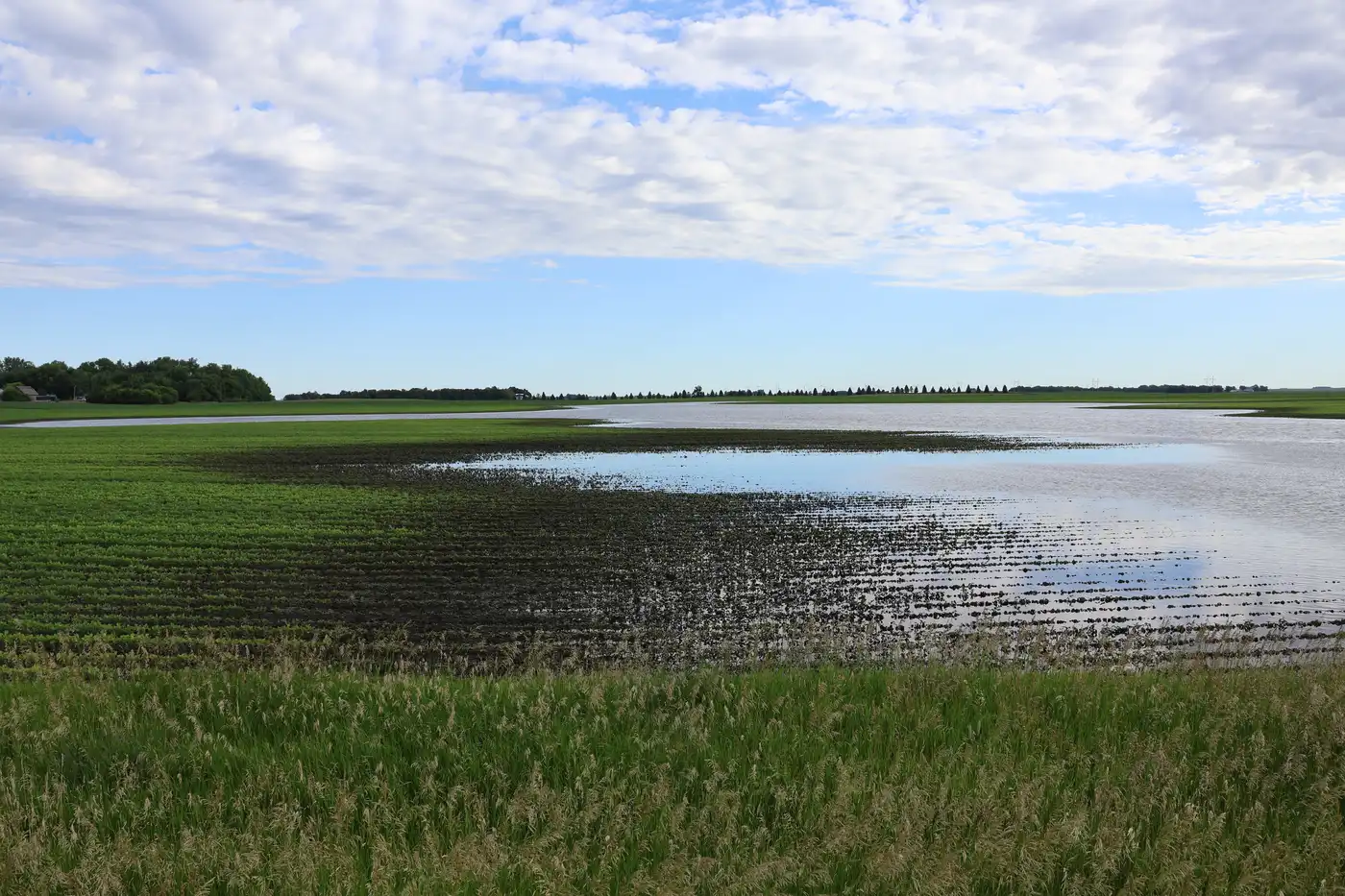
"Every bit of our [plantation] flat went underwater here. So we had close to 7 hectares of kūmara that had been underwater for four to six days. Anything longer than a-day-and-a-half, two days, and you've lost them.
"So it [floodwater] has been through our accommodation block down here. So (Cyclone) Bola came up to the level of our shed floors. This one was at least three-quarters of a metre through all our cool stores. So we've lost the capabilities of our cool stores."
He was granted $10,000 in government relief funding but that covered very little of the repair costs so far. Insurance is helping pay for infrastructure damage but not crop loss.
"If we get over the financial hurdle for the next 12 months, we can have a crop again," he said.
"We've been [spending] three or four weeks cleaning subsurface drainage at the moment, silted up with the flooding. So that's just an ongoing thing ... we've lost all our pasture, we've had to sell off all our lambs that we normally take through and fatten."
Nilsson was also regrassing paddocks and will "basically be a sheep farmer again for winter".
"All of a sudden, the projected income we had for the next 12 months is not there. So we've got to go 12 to 14 months now, with no income virtually at all, a little bit from sheep, maybe a bit off grass silage. And we're determined not to have to cut our staff hours down, or lay anyone off."
He said: "One of the hard things for growers this year is with the last two seasons - we've been selling below the cost of production. So already we're under a little bit of financial pressure and growers were borrowing money to put this crop in, and then spent 90 percent of the money on their crop. And just prior to harvesting - that's where it's been lost."
Nilsson said growing kūmara was "very expensive".
"We bed out our seed by hand. Once those plants are grown, we harvest them by hand, we take them to shed, we store them and when we sort them, that's all done by hand. Then we take them back out into the fields and they are all planted by hand. We have a few chemicals that we can spray little weeds with, herbicides. But after that, we hand-weed."
Grower Andre de Bruin was harvesting a paddock at Aratapu this week.
Rows of upturned dirt have scattered patches - where kūmara have been dug up, alongside compacted patches, where rotten kūmara have been hoed back into the ground.
"It wasn't much fun - on the scale it is, this is pretty unprecedented," he told RNZ.
He said the most similar situation was after Cyclone Bola, "but there is a really big difference that people don't realise".
"Cyclone Bola hit towards the end of March. This Cyclone Gabrielle hit in February. So there was nothing harvested when Gabrielle hit. With Cyclone Bola, there was a lot that was already harvested in the store sheds. So it was already good quality, sitting ready for market."
However, de Bruin said "no matter how difficult" the situation was for Kaipara growers, "it's still nothing compared to what some of our [horticulture] colleagues have had down in the Hawke's Bay ... just a totally different scale".
He was concerned about how well the kūmara would store before getting to shelves over the coming months.
"There's a lot of crop that's going into store sheds that might have 10 percent rot, 20 percent or 30 percent. Some won't be very good at all, and so won't make it to market. So at the moment the overall impact is - individually, you kind of have a feel for it, but over the industry, it's still a hard one to predict exactly."
For now the flow-on effects for consumers from cyclone damage are reduced supply and higher prices - at about $11 a kilogram in supermarkets, more than double this time last year.
Source - https://www.rnz.co.nz